Page Navigation
Discover the cultural treasure trove that is the Louvre in France, one of the world’s most visited museums located in the heart of Paris. As you step into this enchanting historical sanctuary, you’ll be transported through time, immersing yourself in its awe-inspiring collection of art and artifacts. From iconic masterpieces such as the Mona Lisa and Venus de Milo to ancient Egyptian mummies and Roman sculptures, the Louvre offers an extraordinary journey through human history. Prepare to be captivated by the beauty, complexity, and diversity of the art world within the walls of this magnificent museum.
Overview of the Louvre
History of the Louvre
The Louvre, located in Paris, France, is one of the most iconic museums in the world. It has a rich history that dates back to the 12th century when it was originally a fortress built by King Philip II. Over the centuries, it underwent numerous transformations and expansions, eventually becoming a royal palace during the reign of King Louis XIV. In 1793, the Louvre became a public museum after the French Revolution, and it has since become a symbol of art and culture.
Significance of the Louvre
The Louvre is not only renowned for its vast art collection, but it also holds great cultural significance. It houses works of art from various civilizations and time periods, showcasing the evolution of artistic styles and techniques. The museum serves as a testament to the human pursuit of creativity and expression, making it a source of inspiration for artists and visitors alike.
Architectural Marvel of the Louvre
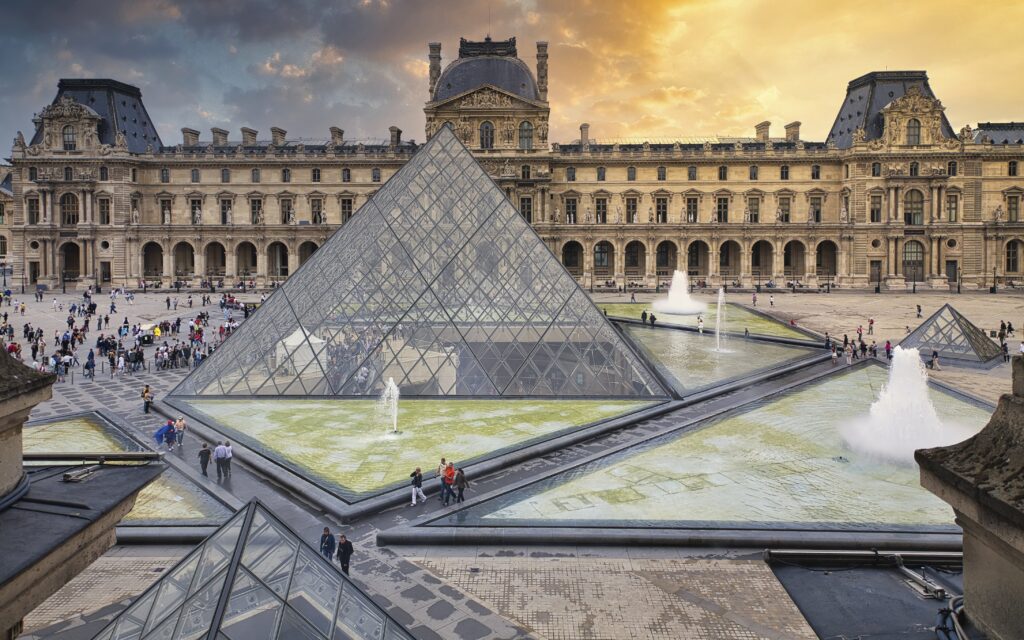
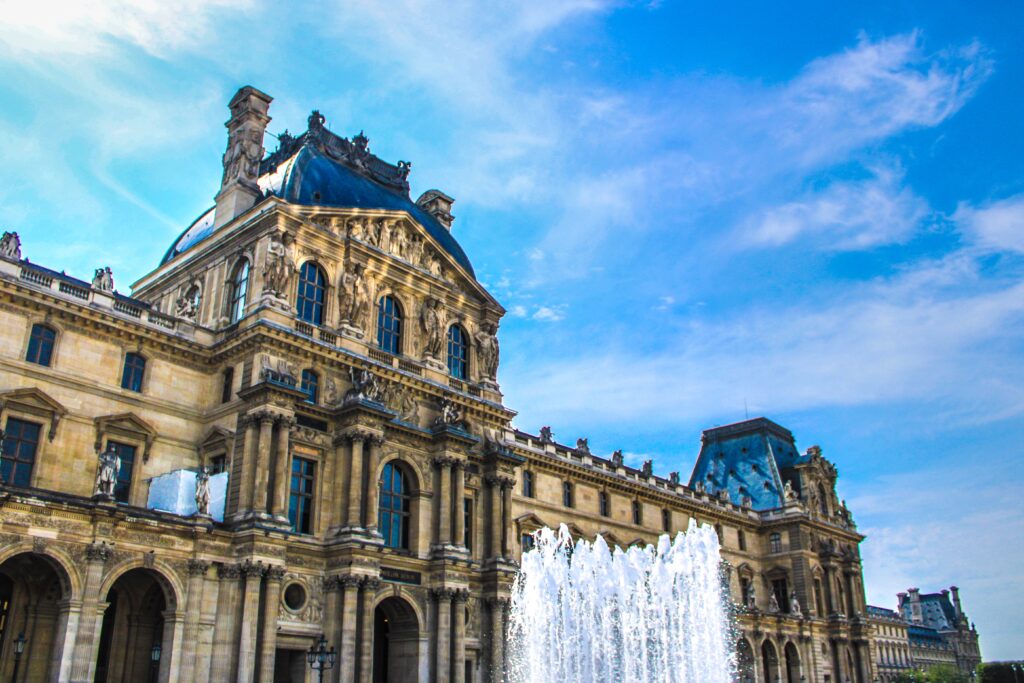
The Louvre is not just a treasure trove of art but also an architectural marvel. It seamlessly blends historical and modern elements, featuring the iconic glass pyramid entrance designed by architect I.M. Pei. The museum’s complex is spread over an expansive area of approximately 782,910 square feet, making it one of the largest museums in the world. Its grandeur and intricate design make it a sight to behold, both inside and out.
Location and Accessibility
Situated on the right bank of the Seine River in the heart of Paris, the Louvre enjoys a prime location. Its central position makes it easily accessible via public transportation, with several metro stations located nearby. Visitors can also choose to explore the museum on foot, taking in the beauty of Paris and its landmarks along the way. The Louvre’s accessibility ensures that it remains a must-visit destination for travelers from around the world.
Art Collections at the Louvre
Paintings
The Louvre is home to an extensive collection of paintings, including renowned works by masters such as Leonardo da Vinci, Rembrandt, and Vermeer. From the enigmatic smile of the Mona Lisa to the emotional depth of the “The Wedding Feast at Cana,” visitors can immerse themselves in the world of painting and appreciate the mastery of these iconic artworks.
Sculptures
The Louvre boasts an impressive collection of sculptures that span different periods and styles. From the timeless beauty of the Venus de Milo to the dynamic energy of the Winged Victory of Samothrace, each sculpture tells a unique story and showcases the artistic skill of its creator. The three-dimensionality of these sculptures allows visitors to experience art in a tangible and interactive way.
Decorative Arts
In addition to paintings and sculptures, the Louvre houses an exceptional collection of decorative arts. From intricately crafted furniture and luxurious tapestries to dazzling jewelry and exquisite ceramics, these objects reflect the opulence and craftsmanship of their respective eras. Exploring the decorative arts section of the museum provides insight into the daily lives and aesthetics of past civilizations.
Antiquities
The Louvre is a treasure trove for enthusiasts of ancient civilizations. Its vast collection of antiquities includes artifacts from Mesopotamia, Egypt, Greece, and Rome. Visitors can marvel at the intricately carved reliefs from the Assyrian palaces, admire the beauty of Egyptian sarcophagi, and study the mastery of Greek and Roman sculptures. As you wander through these ancient civilizations, you’re transported back in time to witness the wonders of human history.
Egyptian Art
One cannot mention the Louvre without highlighting its extraordinary collection of Egyptian art. The museum exhibits a wide array of statues, reliefs, and other artifacts that shed light on the fascinating world of ancient Egypt. From the imposing Great Sphinx to the exquisite treasures of Tutankhamun’s tomb, these artifacts offer a glimpse into the religious beliefs, rituals, and artistry of this remarkable civilization.
Islamic Art
The Louvre’s collection of Islamic art is a testament to the diverse cultures that thrived across the Islamic world. It houses intricately designed carpets, beautifully illustrated manuscripts, exquisite ceramics, and stunning metalwork from various Islamic dynasties. This section of the museum provides insights into the rich artistic traditions and the cultural exchange that took place throughout history.
Greek and Roman Art
The Louvre’s Greek and Roman art collection is regarded as one of the most comprehensive in the world. It showcases the artistic achievements of ancient Greece and Rome, including famous sculptures like the Winged Victory of Samothrace and the Venus de Milo. These artworks embody the beauty, grace, and idealized forms that were highly valued in classical antiquity.
Famous Masterpieces at the Louvre
Mona Lisa
Undoubtedly the most famous painting in the world, Leonardo da Vinci’s Mona Lisa attracts millions of visitors to the Louvre each year. The enigmatic smile of the subject, the meticulous brushwork, and the sense of depth in the painting make it a masterpiece of art history. Visitors can expect to face a crowd in front of this small, yet incredibly captivating, artwork.
Venus de Milo
The Venus de Milo is a celebrated statue housed in the Louvre, depicting the goddess of love and beauty, Aphrodite. This ancient Greek sculpture is renowned for its graceful stance and missing arms, leaving viewers in awe of its timeless beauty. The sculpture represents the idealized feminine form, capturing the essence of classical Greek artistry.
Winged Victory of Samothrace
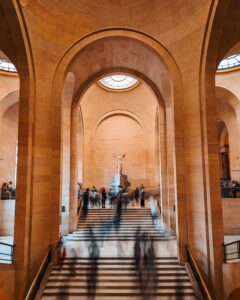
The Winged Victory of Samothrace is an iconic sculpture that embodies the dynamic and triumphant spirit of ancient Greek art. Perched atop a dramatic staircase, this winged figure of Nike, the Greek goddess of victory, captivates viewers with its sense of movement and powerful presence. Its fragmented state only adds to the allure, as visitors can imagine its original splendor.
The Raft of the Medusa
Jean-Baptiste Carpeaux’s painting, The Raft of the Medusa, is a captivating and emotionally charged artwork that vividly depicts the aftermath of a shipwreck. Through skilled brushwork and dramatic composition, the painting conveys the struggle and despair of the figures clinging to a raft in the midst of a stormy sea. This powerful piece captures the human experience in a profound and thought-provoking way.
Liberty Leading the People
Eugène Delacroix’s Liberty Leading the People is an iconic painting that captures the spirit of the French Revolution. Depicting Liberty as a female figure leading a diverse group of revolutionaries, this artwork symbolizes the pursuit of freedom, equality, and justice. Its bold colors and dynamic composition evoke a sense of passion and resilience, making it a significant piece of French history.
Visitor Experience at the Louvre
Buying Tickets
To ensure a smooth visit to the Louvre, it is advisable to purchase tickets in advance. This can be done online or through authorized ticket vendors. Buying tickets ahead of time allows you to skip the long queues and provides the flexibility of choosing a specific entry slot. It’s important to note that for certain special exhibitions, separate tickets may be required.
Opening Hours
The Louvre is open to the public every day except Tuesdays. The museum’s opening hours vary, but generally, it opens at 9:00 am and closes at 6:00 pm. On Wednesdays and Fridays, it remains open until 9:45 pm, offering extended hours to accommodate more visitors. It is recommended to check the official website for the most up-to-date information regarding opening hours and any closures.
Navigating the Museum
The Louvre can be overwhelming due to its vast size and extensive collection. However, the museum provides maps and information desks to assist visitors in navigating its halls. It is a good idea to pick up a map upon entry and plan your route, focusing on the areas or artworks that interest you the most. There are also signposts throughout the museum, making it easier to find specific galleries or masterpieces.
Audio Guides and Tours
To enhance your visit to the Louvre, audio guides are available for rent in multiple languages. These guides provide informative commentary about the museum’s highlights and give visitors a deeper understanding of the artworks. Additionally, the Louvre offers guided tours led by knowledgeable guides who provide insights into the museum’s history, architecture, and collections. These tours can be booked in advance or on-site.
Visitor Facilities
The Louvre takes visitor comfort seriously and offers a range of facilities to ensure an enjoyable experience. There are several cafes and restaurants within the museum where visitors can take a break and savor a variety of cuisines. Additionally, the Louvre provides ample restroom facilities, coat check services, and lockers to store belongings. It is advisable to bring comfortable clothing and shoes, as well as a water bottle to stay hydrated.

Special Exhibitions and Events
Temporary Exhibitions
In addition to its permanent collection, the Louvre hosts temporary exhibitions that showcase different themes, artists, or art movements. These exhibitions provide visitors with the opportunity to explore specific topics in greater depth and discover lesser-known artworks. The themes of these exhibitions vary, ranging from ancient civilizations to contemporary art, ensuring there is always something new and exciting for visitors to discover.
Thematic Exhibitions
Thematic exhibitions at the Louvre delve into specific subjects or periods of art history. These exhibitions often bring together artworks from various collections, offering a unique perspective on a particular theme. They provide a deeper understanding of art’s connections to historical events, cultural shifts, and social contexts. Thematic exhibitions offer visitors a more focused experience and a chance to explore specific areas of interest.
Night at the Museum
The Louvre occasionally hosts special nighttime events, known as “Night at the Museum.” These events provide a unique opportunity for visitors to experience the museum after hours, away from the usual crowds. Night at the Museum events often include exclusive exhibitions, live performances, workshops, and guided tours. They offer a chance to see the Louvre in a different light and create unforgettable memories.
Concerts and Performances
The Louvre is not only a haven for visual arts but also a venue for music and performance. The museum hosts a variety of concerts and performances throughout the year, featuring classical music, chamber ensembles, and world-renowned musicians. These events take place in the museum’s auditorium or other designated areas, providing a magical atmosphere and an extraordinary cultural experience.
Behind the Scenes at the Louvre
Conservation and Restoration
Preserving and restoring artworks is a crucial aspect of the Louvre’s operations. The museum is home to a team of skilled conservators and restorers who work diligently to protect and maintain the integrity of the collection. They employ a range of techniques and materials to ensure that paintings, sculptures, and other artworks are safeguarded for future generations to appreciate.
Research and Scholarly Activities
The Louvre is not only a museum but also a center for scholarly research and art historical study. The museum conducts its research activities, collaborating with experts, scholars, and institutions worldwide. Researchers at the Louvre contribute to the understanding and interpretation of artworks, histories, and art movements. The museum also publishes scholarly publications and hosts conferences to share their findings with the global community.
Library and Archive
The Louvre houses an extensive library and archive that serves as a valuable resource for art historians, researchers, and scholars. The library contains a vast collection of books, journals, and manuscripts that cover various art-related subjects, including art history, conservation, and archaeology. The archive preserves historical documents, letters, photographs, and other materials that shed light on the Louvre’s history and the development of its collections.
Educational Programs
The Louvre is committed to providing educational opportunities for people of all ages. It offers a range of programs that cater to different interests and learning levels. From workshops for children and teenagers to lectures and courses for adults, these programs aim to engage and inspire visitors. The Louvre’s educational initiatives help foster a deeper appreciation for art and culture while encouraging active participation and learning.
Tips for Visiting the Louvre
Plan Your Visit in Advance
Given the Louvre’s size and popularity, it is essential to plan your visit in advance. Determine which artworks or collections you wish to see most and prioritize your time accordingly. Familiarize yourself with the museum’s layout and decide on a route that suits your interests. Planning ahead allows you to make the most of your visit and ensures that you don’t miss out on any must-see works.
Avoid the Crowds
The Louvre can get crowded, especially during peak tourist seasons. To avoid the crowds, it is advisable to visit early in the morning or later in the evening. Wednesdays and Fridays, when the museum has extended hours, can also be less crowded compared to weekends. Additionally, purchasing skip-the-line tickets or opting for a guided tour can help minimize wait times and provide a more seamless experience.
Focus on Highlights
With such an extensive collection, it can be overwhelming to try and see everything in one visit. Instead, focus on the highlights and key artworks that interest you the most. Identify the must-see masterpieces and allocate sufficient time to thoroughly appreciate them. By narrowing your focus, you can enjoy a more immersive experience and truly connect with the art on a deeper level.
Wear Comfortable Shoes
Exploring the Louvre requires a fair amount of walking, so it is important to wear comfortable shoes. The museum’s size and the time it takes to navigate can easily exhaust visitors, so opting for supportive and comfortable footwear is highly recommended. Comfortable shoes will ensure that you can fully enjoy your visit without the distraction of achy feet.
Respect the Art
When visiting the Louvre, it is crucial to respect the art, the museum, and your fellow visitors. This means refraining from touching the artworks, following the museum’s rules and regulations, keeping noise levels to a minimum, and avoiding flash photography or any other activity that may potentially damage the art. By being considerate, you contribute to the preservation of these precious masterpieces.
Exploring the Surroundings of the Louvre
Tuileries Garden
Located adjacent to the Louvre, the Tuileries Garden is a picturesque public park that offers a serene escape from the bustling city. Visitors can stroll through its beautifully landscaped gardens, relax on the lawns, or enjoy a coffee at one of the charming outdoor cafés. The Tuileries Garden provides a tranquil setting to unwind after a visit to the museum.
Palais Royal
Just a short walk from the Louvre, the Palais Royal is a former royal palace turned public space. Its elegant arcades, manicured gardens, and iconic black-and-white striped columns create a stunning backdrop for a leisurely stroll. Visitors can explore its boutiques, art galleries, or simply bask in the regal ambiance of this historic site.
Pont des Arts
The Pont des Arts, also known as the “Love Lock Bridge,” is a pedestrian bridge that spans the Seine River near the Louvre. This romantic spot gained fame for couples attaching padlocks to the bridge as a symbol of their love. Although the locks have been removed to protect the bridge’s structural integrity, the Pont des Arts still offers breathtaking views of the river and the surrounding landmarks.
Saint-Germain-des-Prés
One of Paris’s most charming neighborhoods, Saint-Germain-des-Prés, is located just a short distance from the Louvre. This vibrant district is known for its art galleries, bookstores, and historic cafés. Visitors can immerse themselves in the bohemian atmosphere, browse through antique stores, or simply enjoy a café au lait at one of the iconic cafés frequented by renowned intellectuals and artists.
Seine River Cruises
Exploring Paris from the water is a unique and enjoyable experience. Several tour companies offer river cruises along the Seine, allowing visitors to admire the city’s landmarks, including the Louvre, from a different perspective. These leisurely cruises provide stunning views of Paris’s iconic architecture, offering a tranquil and scenic way to discover the city.
Dining and Shopping at the Louvre
Cafes and Restaurants
The Louvre is home to several cafes and restaurants that cater to a range of tastes and budgets. Whether you’re looking for a quick coffee and pastry or a leisurely lunch, you’ll find plenty of options within the museum complex. These dining establishments offer a chance to relax and refuel amidst the art, making for a unique and enjoyable culinary experience.
Souvenir Shops
The Louvre features numerous souvenir shops where visitors can find mementos of their visit. From postcards and prints to replicas of famous artworks, these shops offer a variety of souvenirs that allow you to take a piece of the Louvre home with you. They also stock art books, DVDs, and other educational materials, offering visitors the opportunity to delve deeper into the museum’s collections.
Bookstores
Book lovers will delight in the Louvre’s bookstores, which boast a wide selection of art-related literature. Visitors can browse through books on art history, exhibition catalogs, artist monographs, and more. The bookstores also feature children’s books and educational resources, making them the perfect place to find a unique gift or expand your art library.
Designer Boutiques
The Louvre showcases a selection of designer boutiques within its premises, offering visitors the opportunity to indulge in luxury shopping. From renowned fashion houses to high-end jewelry, these boutiques feature exclusive collections inspired by art and craftsmanship. Even if you’re not looking to make a purchase, these boutiques provide a glimpse into the world of luxury fashion and design.
Nearby Attractions in Paris
Eiffel Tower
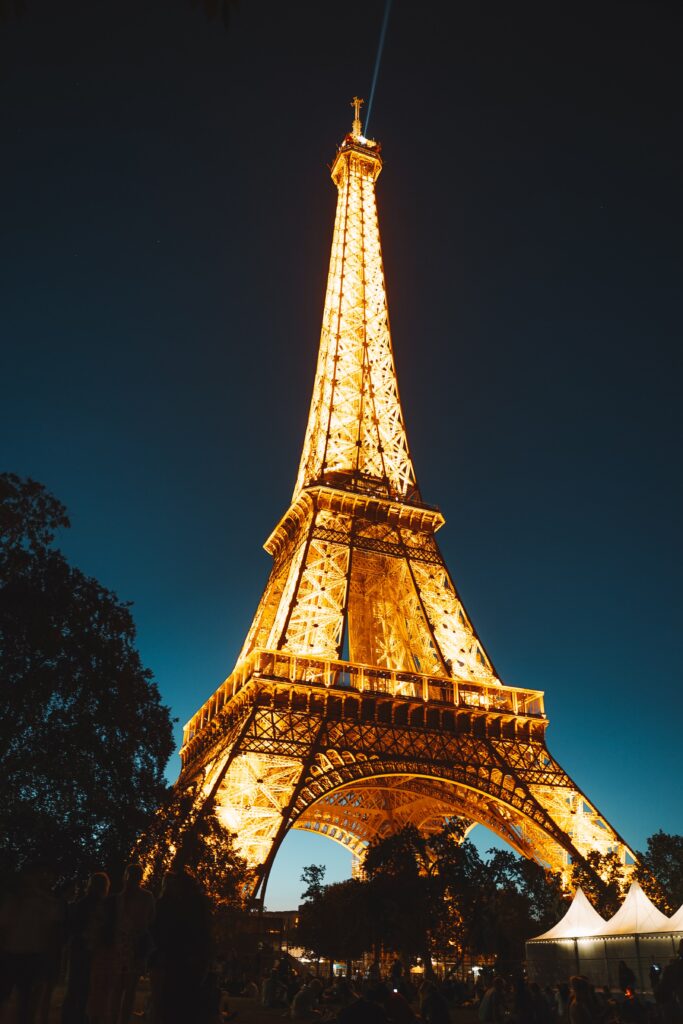
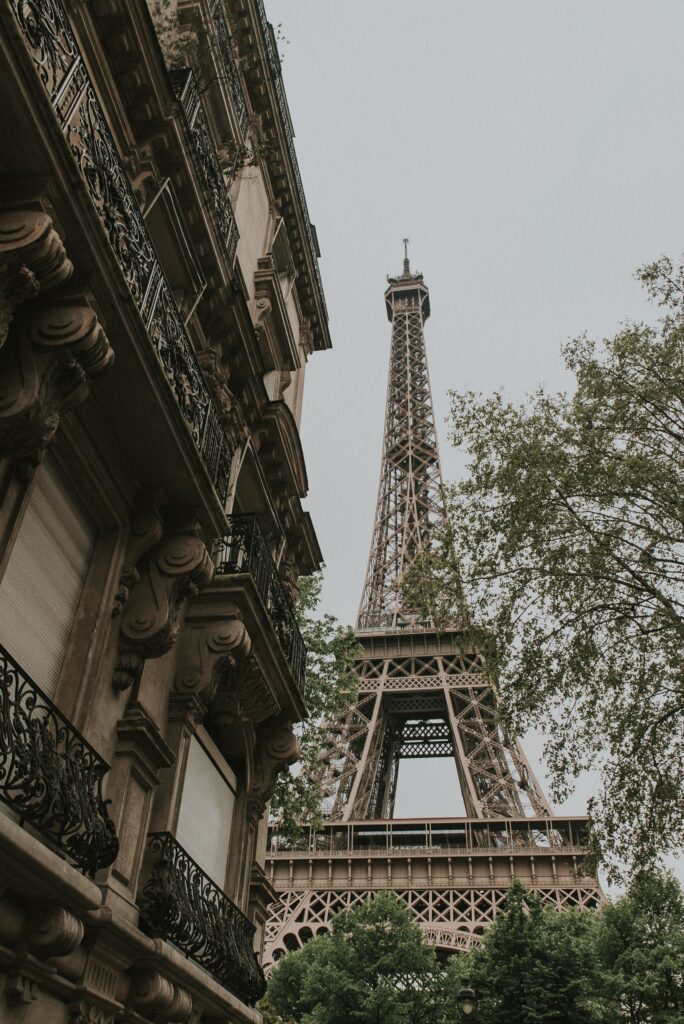
No visit to Paris is complete without a visit to the iconic Eiffel Tower. Located on the Left Bank of the Seine River, this towering structure offers breathtaking views of the city from its observation decks. Visitors can ascend to the top for panoramic vistas, enjoy a picnic at its surrounding gardens, or simply marvel at its awe-inspiring architecture.
Notre-Dame Cathedral
Situated on the Île de la Cité, Notre-Dame Cathedral is a masterpiece of Gothic architecture and a symbol of Paris. Visitors can admire the cathedral’s intricate facade, explore its interior, or climb to the top for stunning views of the city. The Notre-Dame Cathedral holds great historical and cultural significance, making it a must-visit attraction for all history and architecture enthusiasts.
Champs-Élysées
The Champs-Élysées is one of the most famous avenues in the world, known for its luxury boutiques, theaters, and cafés. It stretches from the Place de la Concorde to the Arc de Triomphe and offers a vibrant atmosphere with a blend of cultural, historical, and commercial attractions. Visitors can enjoy a leisurely stroll along this iconic avenue, shop for high-end fashion, or savor gourmet cuisine at one of the many restaurants.
Montmartre
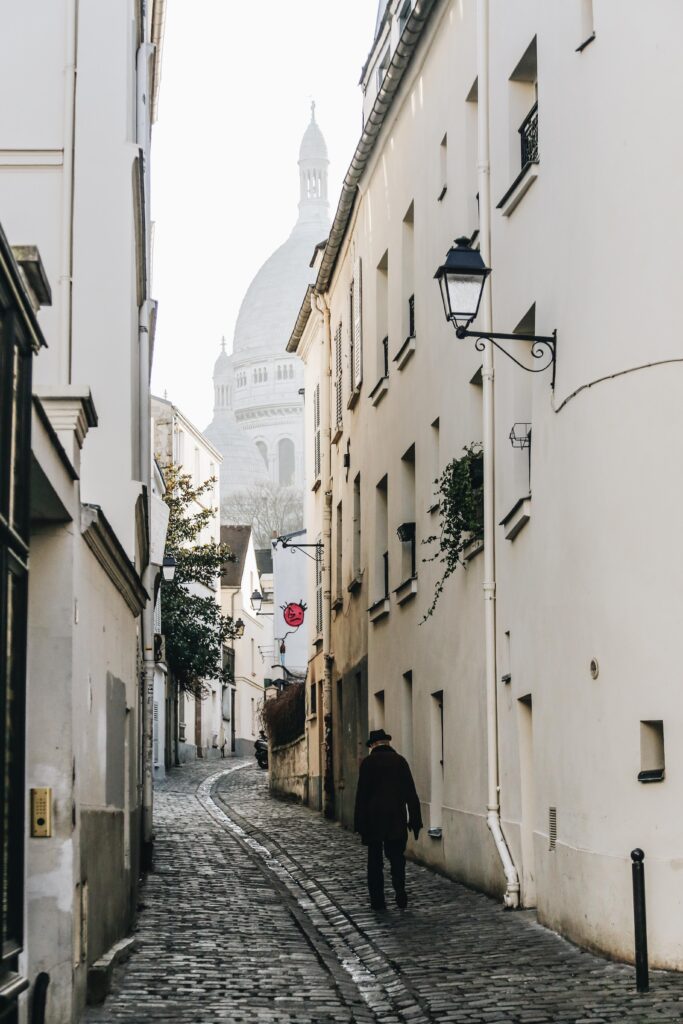
Montmartre is a picturesque neighborhood located on a hill in the northern part of Paris. It is famous for its bohemian vibe, charming streets, and the stunning Sacré-Cœur Basilica. Visitors can wander through its cobbled streets, immerse themselves in its artistic heritage, and enjoy panoramic views of the city from the steps of the Sacré-Cœur. Montmartre’s unique atmosphere makes it a favorite destination for artists and romantics alike.
Versailles Palace
Just a short distance from Paris, the Palace of Versailles is a magnificent testament to the grandeur of the French monarchy. This opulent palace, with its sprawling gardens and lavish interiors, offers a glimpse into the excesses of the Louis XIV era. Visitors can explore the palace’s magnificent halls, wander through its meticulously manicured gardens, and learn about the history of French royalty.
In conclusion, the Louvre is not just a museum but a cultural treasure trove that captivates millions of visitors each year. Its rich history, extensive art collections, and incredible masterpieces make it a must-visit destination for art lovers and history enthusiasts. While exploring the Louvre, one becomes immersed in a world of beauty, creativity, and human expression. The museum’s architectural marvel, combined with its convenient location in the heart of Paris, makes it an accessible destination for anyone seeking to discover the wonders of the art world. Whether you spend hours getting lost in the endless galleries or simply marvel at the iconic masterpieces, a visit to the Louvre promises an unforgettable experience that will leave you with a deeper appreciation for the richness of human creativity and the power of art.