Page Navigation
Imagine yourself in the heart of South Africa, surrounded by breathtaking landscapes and a plethora of unique wine styles. Welcome to Swartland, a region known for its rich viticulture heritage and stunning natural beauty. In this captivating destination, you can embark on a wine-centric journey that will take you to picturesque vineyards, give you the opportunity to savor exquisite wines, and fully immerse yourself in the world of viticulture and oenology. Swartland truly offers an experience like no other, combining the allure of diverse wine styles with the breathtaking charm of its landscapes. Get ready to sip, explore, and indulge in this wine paradise.
History of Swartland Wine Region
Origins of viticulture in Swartland
The history of viticulture in the Swartland wine region can be traced back to the 17th century when Dutch settlers first arrived in South Africa. They brought with them various grape varieties and winemaking expertise, laying the foundation for the wine industry in the region. These early vineyards were primarily established for the production of fortified wines, which were in high demand during that time.
Early development of the wine industry
During the 19th century, the wine industry in Swartland began to expand rapidly. The favorable climatic conditions and fertile soils of the region proved to be ideal for grape cultivation. As the demand for South African wines increased, more vineyards were planted, and wineries started to emerge. The wines produced during this period were predominantly sweet wines, as they were popular both locally and internationally.
Transformation of Swartland into a renowned wine region
In recent decades, Swartland has undergone a remarkable transformation, evolving from a region known for its bulk wine production to one that is celebrated for its high-quality wines. This transformation can be attributed to the efforts of visionary winemakers who recognized the potential of the region’s unique terroir. By focusing on sustainable viticulture practices and embracing innovative winemaking techniques, Swartland has gained recognition as a world-class wine region, celebrated for its diverse wine styles and exceptional quality.
Geography and Climate
Location of Swartland
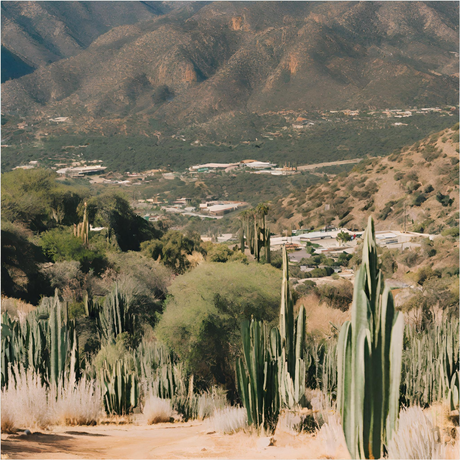
Swartland is located in the Western Cape province of South Africa, north of Cape Town. The region is bounded by the Berg River to the west, the Atlantic Ocean to the west and south, and the Riebeek Valley to the east. Its proximity to the coast and its position within the Cape Floral Kingdom contribute to its distinctive terroir.
Unique geological features
Swartland is characterized by a diverse range of soil types, including decomposed granite, shale, and alluvial soil. These unique geological features contribute to the complexity and character of the wines produced in the region. The presence of granite provides excellent drainage, which is essential for grapevines, while the shale soils offer minerality and depth to the wines.
Mediterranean climate and its impact on wine production
Swartland experiences a Mediterranean climate, with hot, dry summers and cool, wet winters. This climate is particularly well-suited for grape cultivation, as it allows for the slow ripening of grapes, resulting in wines with a balance of acidity and flavor. The cooling effect of the Atlantic Ocean moderates the temperatures, ensuring that the grapes retain freshness and aromatic intensity.
Varietal Selection
Key grape varieties grown in Swartland
Swartland is known for its diverse range of grape varieties, both traditional and international. Shiraz and Chenin Blanc are two of the most widely planted grape varieties in the region. Shiraz thrives in the warm climate, producing full-bodied and spicy red wines. Chenin Blanc, on the other hand, flourishes in the dry conditions, yielding wines with vibrant acidity and tropical fruit flavors.
Specialty varietals and their characteristics
In addition to the key grape varieties, Swartland is also home to a number of specialty varietals that thrive in the unique terroir. Grenache, Mourvèdre, and Viognier are among the specialty varietals that have gained popularity in the region. Grenache adds complexity and earthiness to red blends, while Mourvèdre contributes richness and structure. Viognier, with its distinctive floral and stone fruit aromas, is often used for blending or as a standalone varietal.
Influence of terroir on grape expression
The terroir of Swartland plays a significant role in shaping the character and expression of the grapes grown in the region. The combination of specific soil types, varying altitudes, and diverse microclimates contribute to the unique flavors and aromas found in Swartland wines. The hot, dry summers and cooling breezes from the Atlantic Ocean result in grapes with concentrated flavors, balanced acidity, and distinct minerality.
Traditional Winemaking Techniques
Role of oak barrels in Swartland winemaking
Oak barrels have long been an integral part of winemaking in Swartland. They are used for fermentation, aging, and flavor enhancement. The use of oak barrels adds complexity, structure, and subtle oak flavors to the wines. Winemakers carefully select the type of oak and the level of toasting to achieve the desired characteristics in their wines. While new oak barrels impart more pronounced flavors, used barrels allow the fruit characteristics to shine through.
Fermentation and aging practices
The fermentation and aging practices in Swartland are influenced by both traditional and modern techniques. Fermentation can take place in stainless steel tanks or oak barrels, depending on the winemaker’s preference. Aging of the wines may occur in oak barrels, concrete tanks, or stainless steel, with the choice of vessel impacting the texture and flavors of the wines. Extended aging on lees is also common, contributing to added complexity and richness.
Emphasis on minimal intervention and natural winemaking
Many winemakers in Swartland have embraced the philosophy of minimal intervention and natural winemaking. They believe in allowing the grapes to express their true character and terroir without excessive manipulation. This approach often involves the use of native yeasts for fermentation, minimal use of additives, and avoiding filtration or fining. The result is wines that are authentic, expressive, and reflective of the unique characteristics of Swartland.
Emergence of New Wine Styles
Exploration of alternative winemaking methods
In recent years, Swartland has become a hub for experimental winemaking methods, with winemakers pushing boundaries and challenging traditional practices. This exploration has led to the emergence of new wine styles, such as skin-contact whites, natural sparkling wines, and pet-nats (pétillant naturel). These innovative winemaking techniques showcase the region’s versatility and the winemakers’ willingness to experiment.
Rise of Swartland as a hub for experimental wines
Swartland’s reputation as a hub for experimental wines has attracted winemakers from around the world who are eager to push the boundaries of winemaking. They are drawn to the region’s unique terroir, which provides a canvas for their creativity and experimentation. This influx of talent has further elevated Swartland’s status as an innovative and dynamic wine region.
Innovation and reimagining traditional wine styles
While honoring the traditions and heritage of winemaking, Swartland winemakers are also reimagining traditional wine styles. They are producing wines that are more refined, elegant, and balanced, showcasing the potential of the region to produce world-class wines. This spirit of innovation and creativity is shaping the future of Swartland wines and contributing to its growing reputation as a leading wine region.
Notable Wine Estates
Top wine estates in Swartland
Swartland is home to several renowned wine estates that have played a significant role in shaping the region’s reputation. Some of the top wine estates include A.A. Badenhorst Family Wines, Sadie Family Wines, Mullineux & Leeu Family Wines, and David & Nadia Wines. These estates are known for their commitment to quality, sustainable practices, and the production of exceptional wines that capture the essence of Swartland’s terroir.
Unique characteristics and offerings of each estate
Each wine estate in Swartland has its own unique characteristics and offerings. A.A. Badenhorst Family Wines, for example, is known for its old-vine Chenin Blanc and innovative red blends. Sadie Family Wines is celebrated for its terroir-driven wines, with a focus on single-vineyard expressions. Mullineux & Leeu Family Wines is renowned for its Syrah and Chenin Blanc, while David & Nadia Wines specializes in producing wines that reflect the diversity of Swartland’s soils and microclimates.
Accolades and recognition received by the wineries
The wines produced by Swartland’s top wine estates have received numerous accolades and recognition both locally and internationally. They have consistently received high ratings from wine critics and have been featured in prestigious wine publications. The accolades validate the exceptional quality of Swartland wines and the dedication of the winemakers to their craft.

Culinary Experiences in Swartland
Gourmet dining options within the region
Swartland offers a range of gourmet dining options that beautifully complement the region’s wines. From fine dining establishments to cozy bistros, there is something to suit every palate. Many restaurants in the area showcase the finest local produce, including fresh seafood, artisanal cheeses, and farm-to-table ingredients. The culinary experiences in Swartland are a perfect complement to the exceptional wines produced in the region.
Food and wine pairing recommendations
When it comes to food and wine pairing, Swartland’s wines offer endless possibilities. The versatility of the wines allows for a wide range of pairings, from grilled meats and hearty stews to fresh seafood and vegetarian dishes. For red wine enthusiasts, a beautifully aged Syrah can be a delightful accompaniment to a braised lamb shank. Chenin Blanc lovers can savor the wine’s vibrant acidity alongside a plate of locally sourced oysters. The food and wine pairing opportunities in Swartland are as diverse as the region itself.
Local cuisine and culinary traditions
Swartland’s culinary traditions are deeply rooted in the region’s history and cultural heritage. The cuisine reflects the diverse influences of the area, with traditional South African dishes, as well as fusion cuisine that draws inspiration from various cultures. Visitors to Swartland can indulge in local specialties such as bobotie, a traditional Cape Malay dish, or biltong, a cured meat snack. Exploring the local cuisine is a delightful way to immerse oneself in the rich cultural tapestry of Swartland.
Tourism and Wine Tasting
Guided wine tours and experiences
For wine enthusiasts, Swartland offers a range of guided wine tours and experiences. Visitors can embark on vineyard tours, where they can witness the winemaking process from vine to bottle. Many wineries offer cellar tours, allowing guests to explore the aging process and sample wines directly from the barrels. Guided tastings provide visitors with the opportunity to learn about the region’s wines, terroir, and winemaking philosophy directly from the winemakers themselves.
Tasting rooms and cellar door experiences
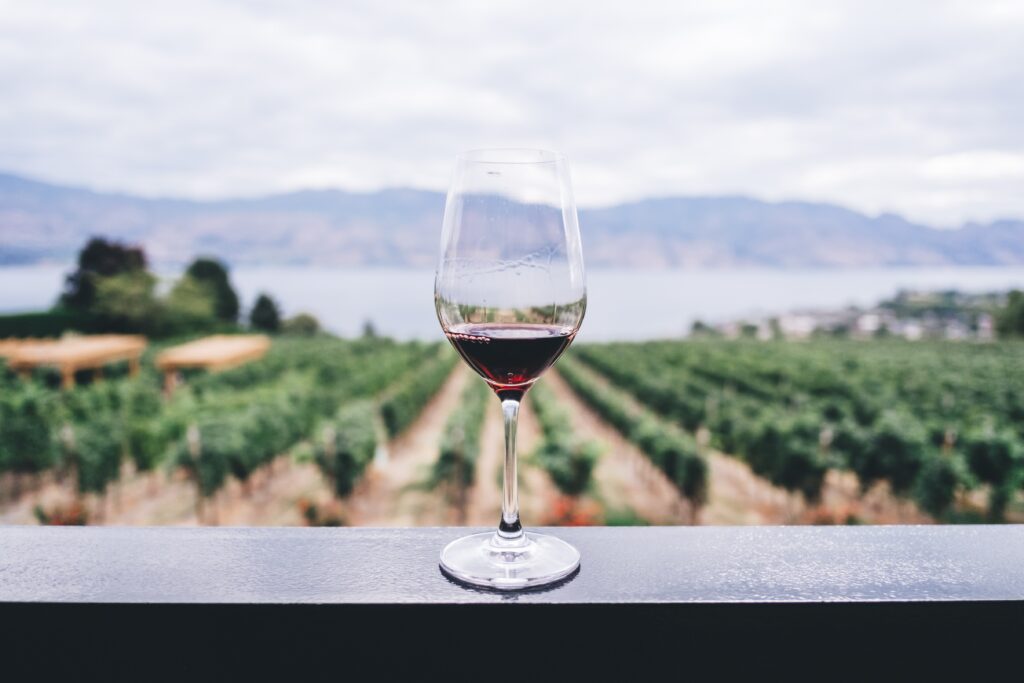
Swartland’s wine estates boast inviting tasting rooms and cellar door experiences. Here, visitors can taste a variety of wines, from fresh and vibrant whites to bold and complex reds. The knowledgeable staff are passionate about sharing their expertise and guiding visitors through the tasting experience. Tasting rooms often offer beautiful views of the surrounding vineyards, creating a serene and immersive environment for wine lovers to indulge their senses.
Scenic landscapes and natural attractions in Swartland
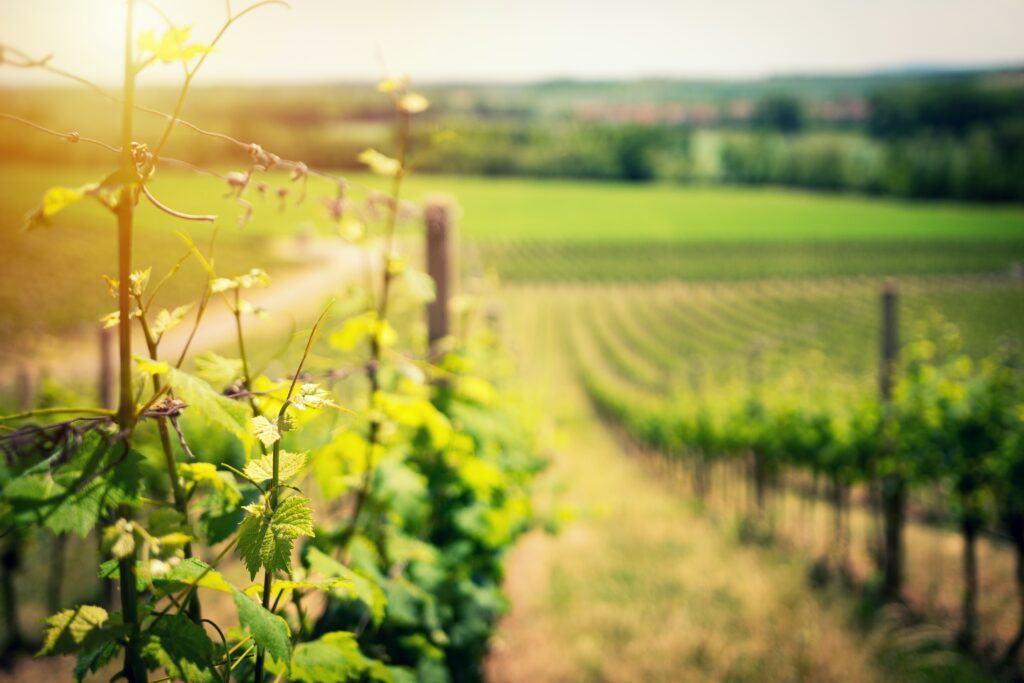
In addition to its world-class wines, Swartland is blessed with scenic landscapes and natural attractions that are worth exploring. The region is characterized by rolling hills, vineyards stretching as far as the eye can see, and breathtaking views of the Atlantic Ocean. Outdoor enthusiasts can enjoy hiking trails, birdwatching, and picnicking in the picturesque surroundings. Swartland offers a perfect blend of wine, nature, and tranquility for visitors seeking a unique and memorable experience.
Community Involvement and Sustainability
Efforts towards sustainable viticulture practices
The winemakers of Swartland are committed to practicing sustainable viticulture, ensuring the long-term health and vitality of their vineyards and the surrounding ecosystem. Many wineries have embraced organic and biodynamic farming methods, avoiding the use of synthetic pesticides and fertilizers. By promoting soil health and biodiversity, these practices contribute to the overall sustainability of the region’s wine industry.
Community development initiatives
A strong sense of community is prevalent in Swartland, with winemakers actively involved in supporting local development initiatives. They contribute to the socio-economic growth of the region by creating job opportunities and investing in infrastructure. Furthermore, some wineries are involved in educational programs, offering scholarships and training opportunities to aspiring winemakers, ensuring the future vitality of the region’s wine industry.
Support for local farmers and workers
Swartland’s winemakers recognize the importance of supporting local farmers and workers who play a vital role in the region’s wine industry. Many wineries source their grapes from small, independent growers, providing them with a sustainable source of income. Additionally, wineries prioritize fair labor practices and provide training and development opportunities for their employees. By fostering strong relationships with the local community, Swartland’s wine industry continues to thrive and contribute to the region’s economic growth.
Future of Swartland Wine Industry
Continued growth and expansion
The future of the Swartland wine industry looks promising, with continued growth and expansion on the horizon. The region’s wines have gained international recognition, attracting wine enthusiasts and connoisseurs from around the world. As the popularity of Swartland wines continues to grow, more wineries are likely to be established, further adding to the diversity and excellence of the region’s offerings.
Challenges and opportunities ahead
While the Swartland wine industry is experiencing tremendous success, it also faces various challenges and opportunities. Climate change poses a significant threat, as rising temperatures and unpredictable weather patterns may impact grape yields and ripening. However, this also presents an opportunity for winemakers to adapt and experiment with new grape varieties and winemaking techniques. Collaborations between winemakers, scientists, and researchers can lead to innovative solutions and sustainable practices for the future.
Vision for the future of Swartland wines
The vision for the future of Swartland wines is one of continued excellence, innovation, and sustainability. Winemakers are committed to producing wines of exceptional quality that showcase the unique terroir of the region. They aim to maintain a delicate balance between tradition and innovation, embracing new winemaking techniques while honoring the legacy of the past. Swartland wines will continue to captivate wine lovers with their complexity, elegance, and ability to reflect the extraordinary landscapes from which they originate.