Page Navigation
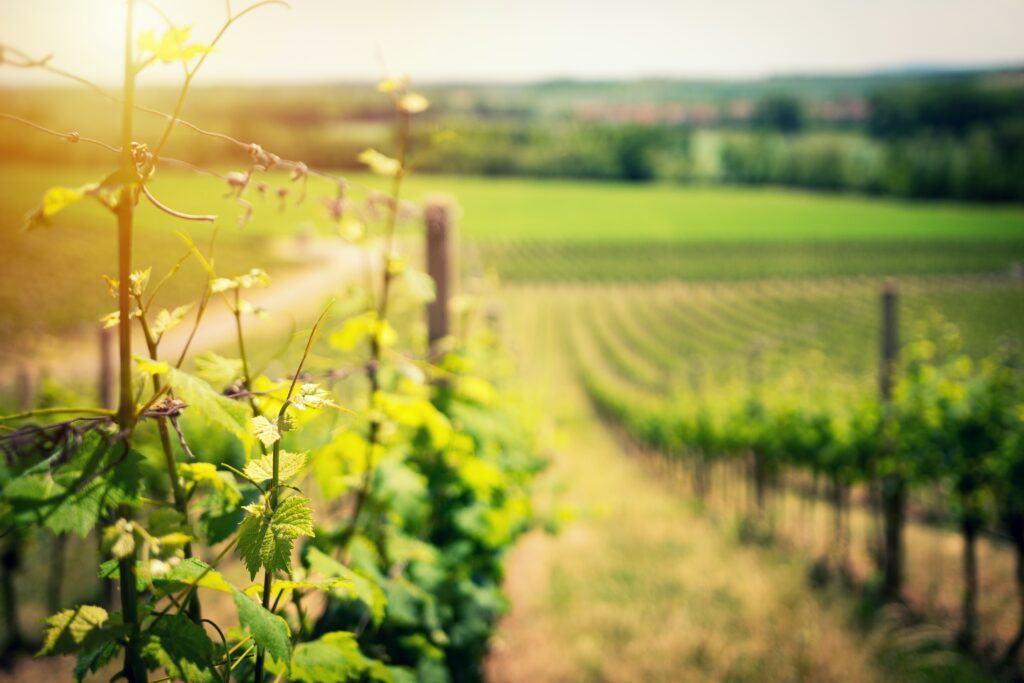
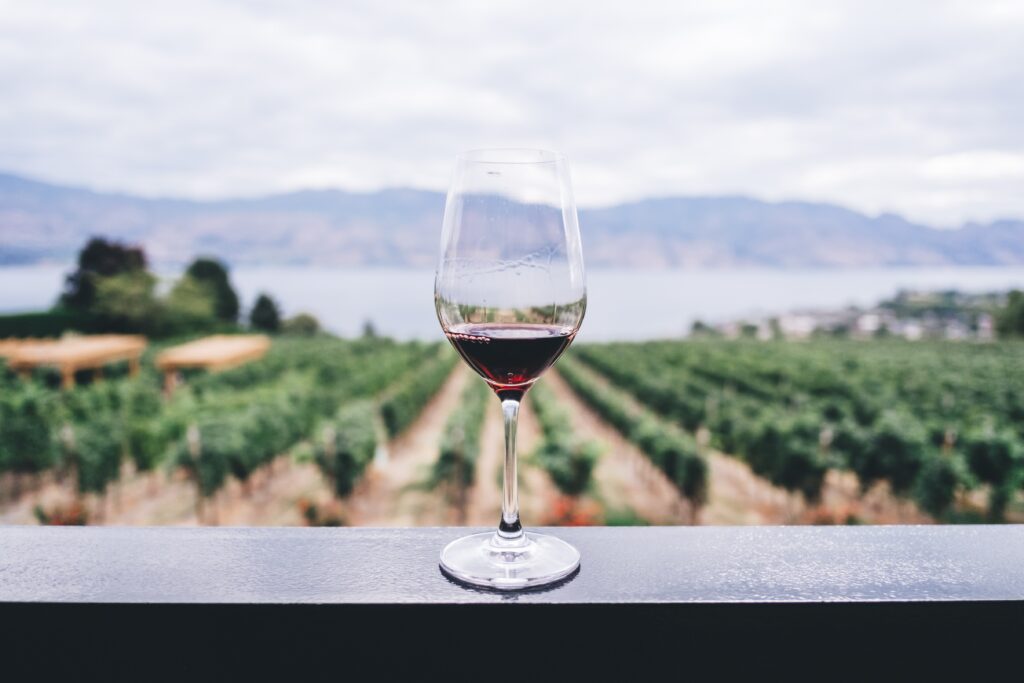
Imagine yourself strolling through lush vineyards, with the sun on your face and the smell of ripe grapes in the air. The Rhone Valley in France is renowned for its exceptional wines, especially those made from the Grenache, Syrah, and Viognier grape varieties. As you travel through this picturesque region, you will be captivated by its beauty and history, while indulging in the exquisite flavors of wines that have been crafted with centuries of expertise. Whether you are an avid wine connoisseur or simply someone who appreciates the finer things in life, the Rhone Valley promises an unforgettable experience for all. So, come along and immerse yourself in the world of viticulture and oenology as you embark on a wine-centric journey through this enchanting region.
Topography and Climate of the Rhone Valley
The Rhone Valley is situated in southern France and stretches from Lyon to Avignon. It is divided into two distinct regions: the Northern Rhone and the Southern Rhone. The valley is characterized by its varied topography, ranging from steep, terraced slopes to rolling hills. This diverse landscape contributes to the unique microclimates found within the valley, which in turn, influence the grape varieties grown and the resulting wine styles.
Geographical Location
The Rhone Valley is located in southeastern France, with the Rhone River flowing through its entire length. It is bordered by the Massif Central mountain range to the west and the Alps to the east. The valley’s position between these mountain ranges creates a protective barrier, shielding the vineyards from harsh weather conditions and creating a favorable climate for grape cultivation.
Mediterranean and Continental Influence
The Rhone Valley experiences both Mediterranean and continental influences, which contribute to its distinctive climate. The Mediterranean influence brings warm, sunny summers and mild winters, while the continental influence brings cold, dry air and temperature fluctuations. This combination of influences creates ideal conditions for grape ripening, allowing for the production of wines with excellent flavor and balance.
Microclimates in the Valley
The Rhone Valley is known for its wide range of microclimates, influenced by variations in altitude, exposure to sunlight, and proximity to the river. These microclimates result in diverse growing conditions and allow for the cultivation of a variety of grape varieties. In the Northern Rhone, for example, the steep slopes and terraces create a warmer microclimate, ideal for the cultivation of Syrah. In the Southern Rhone, the valley’s broader plains and hillsides are well-suited for the cultivation of Grenache.
Grape Varieties of the Rhone Valley
The Rhone Valley is famous for its three primary grape varieties: Grenache, Syrah, and Viognier. These grapes thrive in the valley’s diverse microclimates, resulting in wines that are rich in flavor and complexity.
Grenache
Grenache is the most widely planted grape variety in the Rhone Valley, particularly in the Southern Rhone. It is known for producing full-bodied, fruity red wines with notes of ripe berries, spices, and herbs. Grenache is also used in the production of rosé wines, adding a touch of fruitiness and vibrancy to the blend.
Syrah
Syrah, often referred to as Shiraz in other parts of the world, is the signature grape variety of the Northern Rhone. It thrives in the region’s cooler climate and steep slopes, producing wines that are elegant, structured, and age-worthy. Syrah wines from the Northern Rhone are characterized by their bold flavors of dark fruits, black pepper, and smoky undertones.
Viognier
Viognier is a white grape variety that is highly regarded in the Rhone Valley. It is primarily grown in the Northern Rhone and produces aromatic and expressive white wines. Viognier wines are known for their floral aromas, peachy flavors, and rich texture. They are often enjoyed on their own or paired with seafood and poultry dishes.
Other Key Varieties
In addition to Grenache, Syrah, and Viognier, the Rhone Valley is home to several other grape varieties that add diversity to the region’s wine production. These include Mourvèdre, Cinsault, Roussanne, Marsanne, and Clairette. Each of these varieties contributes its own unique characteristics to the wines of the Rhone Valley, creating a rich tapestry of flavors and styles.
Wine Regions within the Rhone Valley
The Rhone Valley is divided into two main wine regions: the Northern Rhone and the Southern Rhone. Each region has its own distinct terroir, grape varieties, and wine styles.
Northern Rhone
The Northern Rhone is known for producing some of the finest and most prestigious wines in the world. It is a small region, with steep slopes and terraced vineyards that extend along the Rhone River. The Northern Rhone is primarily focused on the production of red wines, with Syrah being the dominant grape variety. The region is renowned for its appellations such as Cote Rotie, Hermitage, and Cornas.
Southern Rhone
The Southern Rhone is a larger and more diverse wine region compared to its northern counterpart. It is characterized by its Mediterranean climate and rolling hillsides. The Southern Rhone is known for its rich, full-bodied red wines, often blends of Grenache, Syrah, and Mourvèdre. It is also famous for the production of Chateauneuf-du-Pape, one of the most prestigious wine appellations in France.
Northern Rhone: Home of Syrah
The Northern Rhone is often referred to as the spiritual home of Syrah. The region’s unique terroir and cool climate create ideal conditions for the cultivation of this noble grape variety.
Cote Rotie
Cote Rotie, meaning “roasted slope” in French, is a prestigious appellation in the Northern Rhone. The steep slopes and terraces of Cote Rotie create excellent drainage and exposure to sunlight, resulting in wines of exceptional quality. Cote Rotie wines are known for their aromatic complexity, elegance, and ability to age gracefully. They often exhibit flavors of black fruits, violets, and smoked meat.
Hermitage
Hermitage is another renowned appellation in the Northern Rhone, known for producing powerful and age-worthy wines. The vineyards of Hermitage are situated on a granite hillside, providing excellent drainage and exposure to sunlight. Hermitage wines are full-bodied and often exhibit flavors of dark fruits, black pepper, and earthy undertones. They are sought after by wine enthusiasts and collectors alike.
Cornas
Cornas is a smaller and more rugged appellation in the Northern Rhone, known for its powerful and robust red wines. The vineyards of Cornas are situated on steep slopes, composed of decomposed granite, which imparts a distinct mineral character to the wines. Cornas wines are characterized by their dark fruit flavors, smoky aromas, and firm tannins. They are often considered to be some of the most age-worthy wines of the region.

Southern Rhone: The Land of Grenache
The Southern Rhone is predominantly known for its production of Grenache-based wines. The region’s warm climate and diverse terroir result in wines that are rich, ripe, and full of character.
Chateauneuf-du-Pape
Chateauneuf-du-Pape is the most famous appellation in the Southern Rhone and is renowned for its Grenache-driven wines. The vineyards of Chateauneuf-du-Pape are characterized by their sandy and rocky soils, which contribute to the unique flavor profile of the wines. Chateauneuf-du-Pape wines are rich, full-bodied, and often exhibit flavors of red berries, garrigue herbs, and spice. They are highly regarded for their complexity and ability to age gracefully.
Gigondas
Gigondas is another notable appellation in the Southern Rhone, known for its powerful and robust red wines. The vineyards of Gigondas are situated on the slopes of the Dentelles de Montmirail mountain range, which imparts a distinct minerality to the wines. Gigondas wines are full-bodied, rich in dark fruit flavors, and often exhibit notes of herbs and spices. They are considered to be excellent value wines, offering a similar style to Chateauneuf-du-Pape at a more affordable price point.
Vacqueyras
Vacqueyras is a smaller appellation in the Southern Rhone, known for producing high-quality red wines. The vineyards of Vacqueyras are situated on rolling hillsides, composed of clay and limestone soils. Vacqueyras wines are characterized by their ripe, red fruit flavors, balanced acidity, and firm tannins. They offer a great expression of the Grenache grape and are often considered to be a hidden gem of the Rhone Valley.
Distinctive Wine Styles in the Rhone Valley
The Rhone Valley is known for producing a wide range of wine styles, both red and white. The diverse terroir and grape varieties in the region contribute to the unique characteristics found in each style.
Red Wines
Red wines are the flagship of the Rhone Valley, with the region renowned for its rich, full-bodied expressions. The red wines of the Rhone Valley are often blends, combining different grape varieties to create complex and harmonious flavors. These wines are known for their ripe fruit flavors, spice, and earthy undertones. Depending on the appellation, the dominant grape variety may vary, with Grenache, Syrah, and Mourvèdre being key players.
White Wines
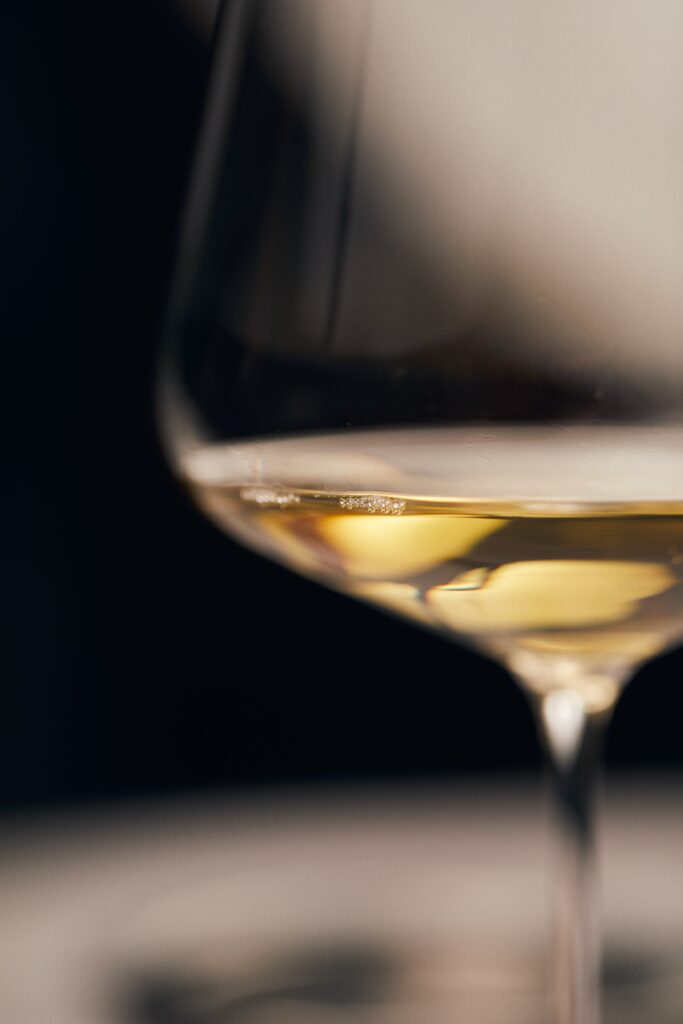
While the Rhone Valley is predominantly known for its red wines, it also produces exceptional white wines. The white wines of the Rhone Valley are typically made from grape varieties such as Viognier, Roussanne, Marsanne, and Clairette. These wines are aromatic, with flavors and aromas of stone fruits, citrus, and floral notes. The white wines of the Rhone Valley are often rich and textured, with a good balance of acidity.
Rosé Wines
Rosé wines are also produced in the Rhone Valley and are typically made from a blend of red grape varieties. These wines are known for their pale, salmon color and vibrant, fruity flavors. Rosé wines from the Rhone Valley are light and refreshing, with notes of strawberries, raspberries, and cherries. They are perfect for enjoying on warm summer days or pairing with a variety of cuisines.

Appellation System in the Rhone Valley
The Rhone Valley has a well-defined appellation system, which ensures that wines meet strict quality standards and are representative of their respective terroirs.
AOC Designations
The wines of the Rhone Valley are classified under the Appellation d’Origine Contrôlée (AOC) system. This system guarantees that the wines come from a specific geographic area and adhere to strict rules regarding grape varieties, viticultural practices, and winemaking techniques. The AOC designations in the Rhone Valley provide consumers with a guarantee of quality and authenticity.
Cru Classifications
Within the Rhone Valley, certain appellations have been classified as “cru.” This designation signifies exceptional quality and is reserved for the finest wines of the region. The cru classifications in the Rhone Valley include Hermitage, Cote Rotie, Chateauneuf-du-Pape, and others. Wines from these appellations are highly sought after and often command higher prices due to their reputation and quality.
Rhone Valley Wine Tourism
Wine tourism in the Rhone Valley is a popular activity for both wine enthusiasts and tourists. The region offers a range of experiences that allow visitors to explore vineyards, taste exceptional wines, and immerse themselves in the rich history and culture of winemaking.
Vineyard Visits and Tours
One of the highlights of wine tourism in the Rhone Valley is the opportunity to visit vineyards and experience the beauty of the region’s landscapes. Many wineries offer guided tours, where visitors can learn about the winemaking process, from the cultivation of the grapes to the bottling of the wines. These tours often include tastings, allowing visitors to sample a variety of wines and gain a deeper understanding of the different terroirs and grape varieties.
Wine Festivals and Events
The Rhone Valley is home to a number of wine festivals and events throughout the year, offering visitors the chance to discover new wines, meet winemakers, and participate in tastings and workshops. The Rhone Wine Festival, held annually in Ampuis, celebrates the wines of the region and showcases the diversity and quality of Rhone Valley wines. Other events, such as the Gigondas Wine Festival and the Tain l’Hermitage Wine Fair, offer unique experiences and opportunities to interact with winemakers and experts.
Gastronomy and Wine Pairings
In addition to its wines, the Rhone Valley is also known for its exceptional cuisine. Wine tourism in the region often includes opportunities to discover the local gastronomy and explore wine and food pairings. Visitors can enjoy traditional dishes, such as coq au vin and daube de boeuf, which pair perfectly with the robust and flavorful wines of the Rhone Valley. Many restaurants and wineries offer tasting menus, where wines are thoughtfully paired with dishes that enhance their flavors and create a memorable dining experience.
Notable Wineries and Producers
The Rhone Valley is home to a number of notable wineries and producers, whose wines have gained international acclaim. These wineries showcase the diversity and quality of the region’s wines and are worth visiting for any wine enthusiast.
Chapoutier
Chapoutier is a renowned producer in the Rhone Valley, known for its commitment to biodynamic viticulture and producing exceptional wines with a sense of place. The estate produces a wide range of wines, including single-vineyard expressions that showcase the unique terroirs of the region. Chapoutier’s Hermitage and Cote Rotie wines are highly regarded for their depth, complexity, and age-worthy potential.
Guigal
Guigal is another iconic producer in the Rhone Valley, with a long history of producing exceptional wines. The estate is particularly renowned for its Cote Rotie wines, which are considered some of the finest in the world. Guigal’s wines are known for their intensity, concentration, and complexity. The estate also produces wines from other appellations in the region, including Hermitage and Chateauneuf-du-Pape.
Beaucastel
Beaucastel is a historic estate in the Southern Rhone and is considered one of the finest producers in Chateauneuf-du-Pape. The estate is known for its traditional winemaking methods, including the use of all 13 permitted grape varieties in its blends. Beaucastel’s wines are elegant, balanced, and age-worthy, with a reputation for improving with time in the bottle. Their Chateauneuf-du-Pape wines are highly sought after by collectors and offer a true expression of the terroir.
The Future of Rhone Valley Wines
The future of Rhone Valley wines looks promising, with a continued focus on sustainable viticulture and emerging trends and innovations.
Sustainable Viticulture
Many winemakers in the Rhone Valley have embraced sustainable viticulture practices, with an emphasis on protecting the environment and ensuring the long-term viability of the vineyards. This includes the use of organic and biodynamic farming methods, as well as the implementation of water conservation strategies and the reduction of pesticide use. These practices not only benefit the environment but also contribute to the production of high-quality wines.
Emerging Trends and Innovations
The Rhone Valley is a region that is constantly evolving and adapting to changing consumer preferences and market demands. In recent years, there has been a growing interest in natural and low-intervention winemaking, with a focus on minimal use of additives and a more hands-off approach in the cellar. This trend has resulted in the production of unique and expressive wines that showcase the true character of the grapes and the terroir.
In addition, there has been an increasing experimentation with the use of alternative grape varieties, such as Syrah and Viognier, in new appellations and vineyard sites within the Rhone Valley. This exploration allows winemakers to further explore the potential of the region and create wines that push the boundaries of tradition.
In conclusion, the Rhone Valley is a region steeped in history and tradition, known for its exceptional wines and stunning landscapes. From the steep slopes of the Northern Rhone to the rolling hills of the Southern Rhone, the valley offers a diverse range of terroirs and grape varieties, resulting in wines that are distinctive, complex, and full of character. Whether exploring the legendary appellations of Cote Rotie and Chateauneuf-du-Pape or discovering hidden gems in lesser-known areas, a journey through the Rhone Valley is a wine lover’s dream.