Page Navigation
Imagine stepping back in time and immersing yourself in the rich history of the Tower of London, an iconic fortress located in the heart of the UK. As you explore its ancient walls and pass through its imposing gates, you can’t help but feel a sense of awe and wonder at the centuries of stories that this fortress holds. From being a royal palace to a prison, and even a treasury, the Tower of London has played a vital role in shaping the history and culture of the nation. Join us on a journey of discovery as we unravel the captivating tales and secrets behind this intriguing historical site.
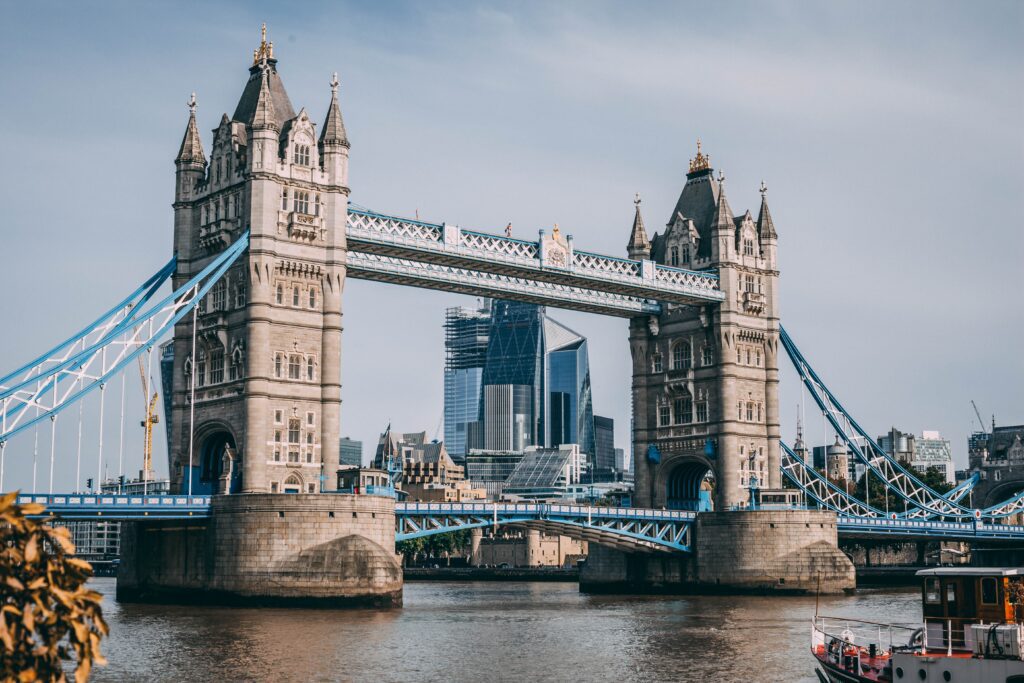
The Tower of London: An Introduction
The Tower of London is one of the most iconic landmarks in the United Kingdom, with a history that spans over a thousand years. This imposing fortress stands on the north bank of the River Thames and has served various purposes throughout its existence. While it is commonly known as a royal palace and prison, the Tower of London has also functioned as a treasury, a menagerie, and a home for the Crown Jewels. Its rich history, diverse architecture, and intriguing stories make it a must-visit attraction for anyone interested in British history.
Overview of the Tower of London
The Tower of London is a complex of buildings set within defensive walls. It consists of several distinct areas, including the Inner Ward, Outer Ward, and the White Tower. The Inner Ward is the oldest part of the fortress and contains the White Tower, which is the most famous and recognizable structure within the compound. The Outer Ward, on the other hand, houses various buildings that served different functions throughout history, such as barracks and the Jewel House.
Importance and Significance of the Tower of London
The Tower of London holds immense historical and cultural significance for the United Kingdom. Its role as a royal palace and prison has shaped the course of English and British history. The Tower has been witness to important events such as coronations, executions, and imprisonments of prominent figures. Its status as a formidable fortress made it a symbol of royal power and deterred potential invaders and rebels. Additionally, the Tower’s association with the Crown Jewels has solidified its role as a custodian of the nation’s most precious treasures.
Construction of the Tower
Origins of the Tower
The exact origins of the Tower of London are shrouded in mystery, but it is believed to have been founded by William the Conqueror in the late 11th century. The primary purpose of the Tower was to establish a mighty stronghold in the heart of London, establishing Norman dominance over the city. The early structures were made of timber, later replaced with stone as the fortress expanded and became more permanent.
Construction Phases and Additions
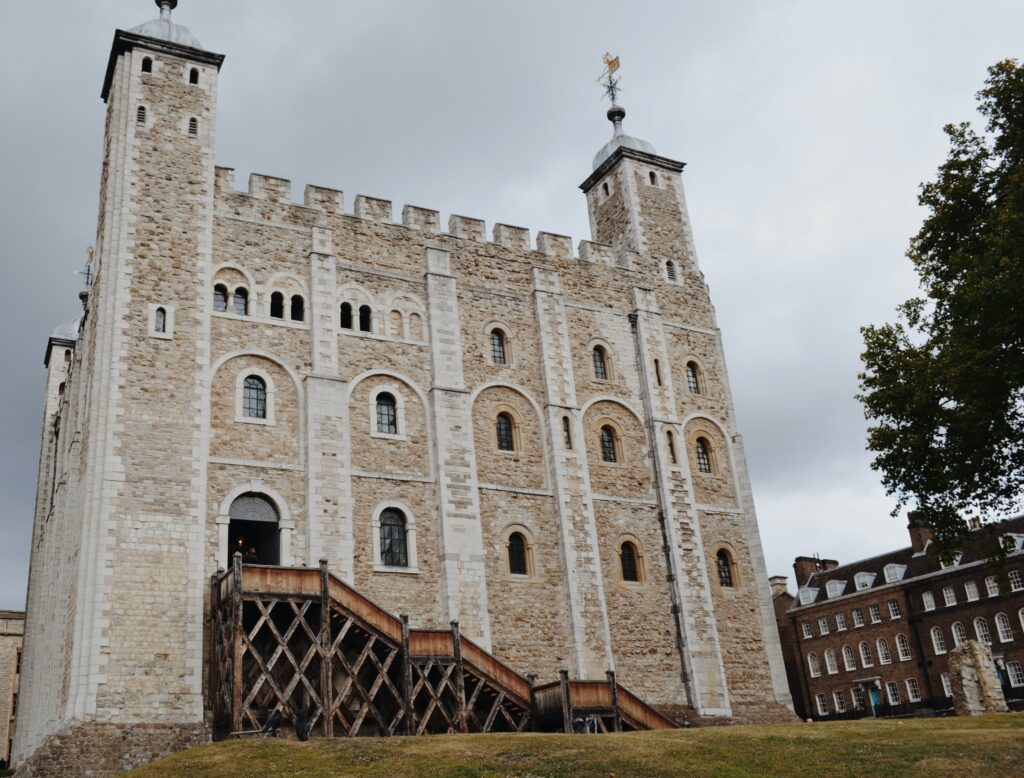
Over the centuries, the Tower of London underwent several phases of construction and expansion, resulting in its current architectural complexity. The initial construction was focused on the White Tower, a massive stone keep that served as a residence, symbol of power, and defensive structure. Subsequent monarchs added walls, towers, and other buildings to improve fortifications and accommodate the growing needs of the royal residence. Notable additions include the Beauchamp Tower, the Bell Tower, and the Bloody Tower.
Architecture and Layout
Defensive Structures and Features
The Tower of London was carefully designed to withstand attacks and provide the utmost protection to its residents. Its defensive structures were state-of-the-art for their time, with elements such as thick stone walls, fortified gates, and strategically placed towers. The walls were reinforced with battlements, arrow loops, and machicolations, allowing defenders to rain down projectiles on assailants. The defensive layout created a formidable barrier to anyone attempting to breach the fortress.
Inner Ward and White Tower
The Inner Ward, the oldest part of the Tower of London, is dominated by the iconic White Tower. This massive keep, constructed in the 11th century, is an architectural marvel. Its walls are almost 15 feet thick, and the tower stands at an impressive height, commanding views of the surrounding area. Inside the White Tower, visitors can explore various exhibits that delve into its history, including its use as a royal residence, armory, and treasury.
Outer Ward and Other Buildings
The Outer Ward of the Tower of London encompasses a vast area and contains numerous buildings of historical significance. It served as a space for various administrative, military, and domestic functions throughout the centuries. Notable structures within the Outer Ward include the Medieval Palace, the Jewel House (housing the Crown Jewels), and the Waterloo Barracks. The diverse architectural styles of these buildings represent different epochs of the Tower’s history.
Tower of London: A Stronghold and Royal Residence
The Tower as a Fortress
The Tower of London’s primary function was to serve as a fortress, providing protection for the monarch and the royal court. Its strategic location on the River Thames and its formidable defenses made it an ideal stronghold. From the moment of its construction, the Tower of London was intended to deter potential invaders and quell rebellions. Throughout history, it withstood numerous sieges and assaults, cementing its reputation as one of the most impregnable fortresses in England.
The Tower as a Royal Residence
In addition to its military purpose, the Tower of London also served as a royal residence. Various monarchs and their families called the Tower home, enjoying its relative safety and opulence. The Medieval Palace within the Outer Ward provided comfortable accommodations for the royal court, with chambers for different members of the royal family. The Tower’s grandeur and lavishness were a reflection of the monarchy’s wealth and position of power.
Infamous Stories and Dark History
Executions and Torture
The Tower of London’s long history is stained with tales of executions and torture. Many famous figures met their end within the Tower’s walls, including Anne Boleyn, Sir Walter Raleigh, and Lady Jane Grey. The Tower’s execution site, known as Tower Green, was the site of many beheadings, while the Tower’s dungeons witnessed gruesome acts of torture. These dark chapters in the Tower’s history serve as a reminder of the cruelty and brutality present in the past.
Prisoners and Famous Inhabitants
The Tower of London has also been home to various prisoners, some of whom achieved notoriety. Political prisoners, traitors, and those accused of treason were often held captive within the Tower’s walls. Notable prisoners include Princess Elizabeth (later Queen Elizabeth I), Sir Thomas More, and Guy Fawkes. The Tower’s grim reputation as a prison is entwined with stories of escape attempts and daring rescue missions.
Crown Jewels and Treasure
Securing the Crown Jewels
The Tower of London has served as the official residence of the Crown Jewels for centuries. The Crown Jewels, which include the regalia and insignia of the monarchy, have immense historical and symbolic significance. The Tower was chosen as their storage location due to its incredible security measures, including multiple layers of protection, such as vaults with iron doors and an armed guard. The Crown Jewels have been safeguarded in the Jewel House within the Tower grounds, allowing visitors a glimpse into the nation’s rich regal heritage.
Access and Visitor Experience
The Crown Jewels are a major attraction for visitors to the Tower of London. A visit to the Jewel House allows guests to witness the dazzling crowns, scepters, and other regalia up close. Security measures ensure the safety of these irreplaceable treasures, while informative displays provide historical context about their use and significance. The experience of seeing the Crown Jewels firsthand is truly awe-inspiring and a highlight of any visit to the Tower.
Yeoman Warders and Ravens
The Role of Yeoman Warders
The Yeoman Warders, commonly known as Beefeaters, are a distinctive presence within the Tower of London. These ceremonial guards have a rich history and serve as tour guides, sharing the Tower’s fascinating stories and history with visitors. Originally responsible for the security and welfare of the Tower, the Yeoman Warders also perform ceremonial duties and act as ambassadors for the site. Their vibrant uniforms and lively banter make them an integral part of the Tower’s unique atmosphere.
Legend of the Tower Ravens
The Tower of London is famous for its resident ravens, and according to legend, their presence is essential for the protection of the kingdom. It is said that if the ravens were to ever leave the Tower, the monarchy would fall and disaster would befall the nation. To ensure their continuous presence, the ravens’ wings are clipped. Visitors to the Tower can observe these magnificent birds, which have become an inseparable part of its history and folklore.
Famous Events and Ceremonies
Traitors’ Gate and River Thames
Traitors’ Gate is one of the most recognizable features of the Tower of London. Situated on the river side of the fortress, this entrance was used for the arrival of prisoners by boat. Many infamous individuals, including Anne Boleyn and Thomas Cromwell, entered the Tower through Traitors’ Gate before facing imprisonment and execution. The gate’s dark history is a reminder of the Tower’s role as a place of punishment and confinement.
Key Ceremonies and Traditions
The Tower of London is the setting for several significant ceremonies and traditions. The Ceremony of the Keys, performed nightly, is the official locking of the Tower gates and has been carried out for centuries. This ancient ritual symbolizes the safeguarding of the fortress. Other notable rituals include the Constable’s Dues, where the Constable of the Tower presents the monarch with symbolic offerings, and the gun salutes on special occasions, such as royal birthdays and anniversaries.
Visiting the Tower of London
Ticketing and Hours
Visiting the Tower of London is a popular activity for both tourists and locals. It is recommended to purchase tickets in advance to avoid long queues, particularly during peak travel seasons. The Tower is open to visitors throughout the year, with varying opening hours depending on the season. It is advisable to check the official website for the most up-to-date information regarding ticket prices and opening times.
Guided Tours and Audio Guides
To make the most of your visit to the Tower of London, guided tours and audio guides are available. These options provide detailed information about the different areas of the fortress, its history, and the intriguing stories associated with its past. Knowledgeable guides and informative audio recordings offer valuable insights, ensuring a fulfilling and educational experience for visitors of all ages.
Exploring the Tower Grounds
The Tower of London offers a vast area to explore, with multiple buildings and exhibits to discover. Visitors can stroll through the Inner Ward and Outer Ward, admiring the impressive architecture and absorbing the historical atmosphere. Exhibitions within the White Tower delve into its rich history, showcasing artifacts and interactive displays. Additionally, the Tower grounds offer magnificent views of the River Thames and the surrounding city, providing a picturesque backdrop for exploration.
Conclusion
The Tower of London continues to captivate visitors from around the world with its fascinating history and architectural splendor. Its significance as a fortress, palace, and prison cannot be understated, and the stories of its past are ingrained in the fabric of British history. From the Crown Jewels and the ravens to the dark tales of executions and imprisonment, the Tower of London presents a unique and multifaceted experience for anyone seeking to immerse themselves in the rich heritage of the United Kingdom. Its continued importance and ability to transport visitors back in time ensure its place as an enduring symbol of the nation’s past.