Page Navigation
Imagine stepping back in time to explore the enigmatic ruins of Teotihuacan, a city that once thrived in ancient Mesoamerica. As you wander through the impressive structures and marvel at the ancient pyramids, you can’t help but be drawn into the myths and legends that surround this mystical place. From the mysterious disappearance of its inhabitants to the belief in a cosmic energy that permeates the entire city, Teotihuacan holds secrets waiting to be uncovered. Join us on a mythical quest as we delve into the captivating stories and mysteries that have shaped the cultures and beliefs of this captivating ancient city in Mexico.
History of Teotihuacan
Early Settlements
The history of Teotihuacan dates back to the preclassic period, around 400 BCE, when the area was first settled. It is believed that various small villages and farming communities existed in the region before the rise of Teotihuacan. These early settlements were primarily agrarian and engaged in maize cultivation, creating the foundation of the future urban center.
Rise of Teotihuacan
Teotihuacan’s ascent as a prominent city began around the first century CE. The population rapidly grew, and the city became a center of commerce, religion, and culture in Mesoamerica. The precise factors that contributed to its rise are still debated among scholars, but it is believed that strategic location, innovative urban planning, and a powerful ruling class played crucial roles.
Peak of the City
By the early fifth century CE, Teotihuacan reached its zenith, becoming the largest city in the Americas, with an estimated population of over 100,000 inhabitants. Alongside its impressive size, Teotihuacan boasted remarkable architectural achievements, thriving economic activities, and a flourishing artistic and cultural landscape. It wielded immense influence over nearby regions, both politically and culturally.
Decline and Abandonment
The decline of Teotihuacan remains a mystery, with no definitive explanation for its collapse. Around the seventh century CE, the city began experiencing unrest, internal strife, and external conflicts, which eventually led to its downfall. By the eighth century CE, Teotihuacan was largely abandoned, and its once-thriving streets became eerily silent. The reasons behind this sudden abandonment continue to be subjects of speculation and investigation.
Significance of Teotihuacan
Mesoamerican Civilization
Teotihuacan played a pivotal role in the development of Mesoamerican civilization. Its rise marked a crucial turning point, transforming the region into a complex urban society with distinct cultural and religious practices. Its influence radiated across the Americas, shaping the beliefs, arts, and city planning of numerous subsequent civilizations.
Influence on Other Cultures
The cultural impact of Teotihuacan extended far beyond its borders. Evidence of its influence can be found in various Mesoamerican city-states, such as Tikal in present-day Guatemala and Monte Albán in Oaxaca, Mexico. Architectural elements, religious practices, and artistic motifs originating from Teotihuacan permeated these regions, testifying to the city’s cultural reach.
Architectural Marvels
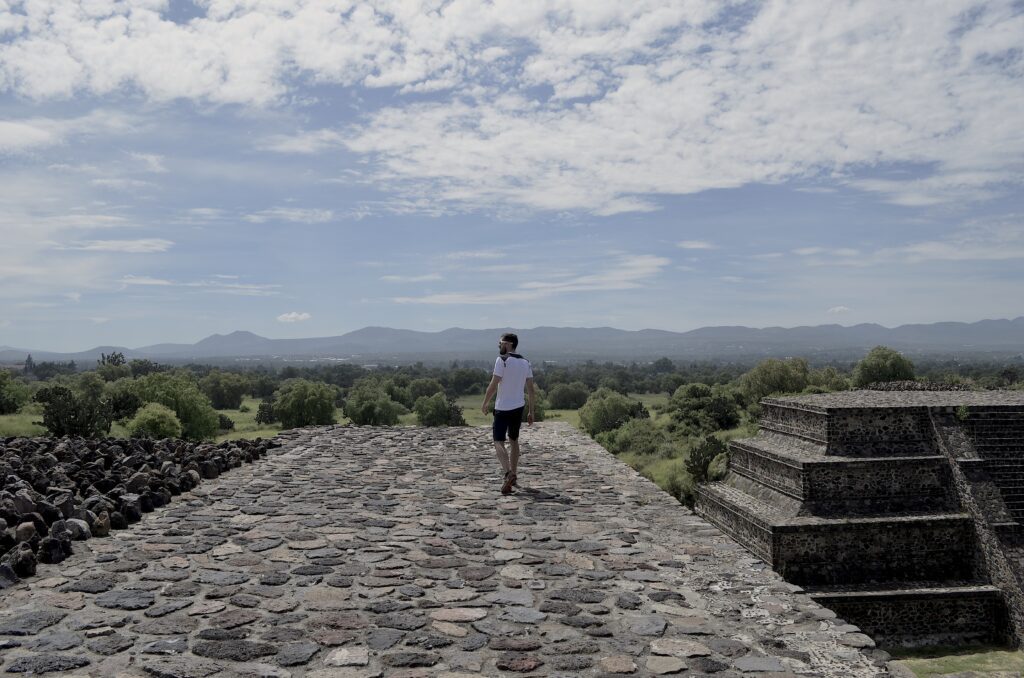
One of Teotihuacan’s most striking features is its impressive architectural achievements. The city is renowned for its grand pyramids, meticulously planned layout, and intricately designed buildings. The Pyramid of the Sun and the Pyramid of the Moon, along with the Temple of the Feathered Serpent, exude a sense of awe and wonder even to this day.
Artistic and Cultural Contributions
Teotihuacan was a hub of artistic expression, producing a vast array of cultural artifacts. Intricate murals adorned the walls of temples and palaces, showcasing the skill and creativity of the city’s artisans. Symbolic iconography, unique artistic styles, and mythological narratives were incorporated into their artwork, leaving a lasting artistic legacy that continues to captivate scholars and visitors alike.
The Mysteries of Teotihuacan
Unknown Builders
One of the enduring mysteries surrounding Teotihuacan is the identity of its builders. Despite extensive research and archaeological excavations, the civilization responsible for constructing the city remains unidentified. The city’s name, Teotihuacan, itself translates to “the place where the gods were created,” adding an air of mystique to its origins.
Purpose of the City
Scholars continue to debate the exact purpose of Teotihuacan. While it was predominantly a residential and economic center, theories suggest that it held significant religious and ceremonial significance as well. The presence of elaborate temples, pyramids, and palaces hints at a complex cosmological and ritualistic understanding among its inhabitants.
Symbolism and Cosmology
Teotihuacan’s layout and architecture are steeped in symbolism and cosmological meaning. The city’s central axis, known as the Avenue of the Dead, aligns with celestial bodies and reflects the inhabitants’ deep connection with the cosmos. Elaborate murals, decorated pottery, and religious iconography offer glimpses into the religious and symbolic beliefs of the ancient Teotihuacanos.
Lost Civilizations Theory
Some theories propose that Teotihuacan was not solely founded by a single civilization but experienced successive waves of settlement and influence. This hypothesis suggests that multiple civilizations might have contributed to the city’s growth, each leaving their mark on the architectural and cultural landscape.
Pyramids of Teotihuacan
Pyramid of the Sun
The Pyramid of the Sun stands as the focal point of Teotihuacan’s architectural marvels. Rising to a height of around 246 feet (75 meters), it is one of the largest pyramids in the world. This awe-inspiring structure served as a ceremonial and religious site, likely dedicated to the sun, an important deity in Mesoamerican cosmology.
Pyramid of the Moon
The Pyramid of the Moon, located at the northern end of the Avenue of the Dead, forms another iconic landmark of Teotihuacan. Positioned in alignment with the surrounding mountain peaks, the pyramid held great religious significance. Its construction and spatial placement reflected the city’s belief in the connection between earthly and celestial realms.
Astronomical Alignments
The pyramids of Teotihuacan were intentionally designed to align with celestial bodies, showcasing the civilization’s understanding of astronomy. The careful positioning of the structures highlights the intricate relationship between the physical world and the cosmos, emphasizing the city’s deep connection with celestial forces.
Ritualistic Practices
The pyramids served as crucial sites for religious ceremonies and rituals. The significance of these activities is evidenced by archaeological findings, including offerings, sacrificial remains, and ritual objects. The pyramids acted as gateways to the divine, places where earthly and divine realms intersected, and where the ancient Teotihuacanos sought spiritual communion.
Avenue of the Dead
Central Promenade
The Avenue of the Dead stretches for approximately 2.5 kilometers (1.5 miles) through the heart of Teotihuacan. This central promenade connected the city’s major architectural and ceremonial complexes, serving as the main thoroughfare of the ancient metropolis. The avenue’s imposing presence reflects the breadth and grandeur of Teotihuacan’s urban planning.
Importance in City Life
The Avenue of the Dead was the lifeblood of Teotihuacan, serving as the backbone of the city’s infrastructure. It linked key areas, such as the pyramids, noble residences, markets, and religious centers. Along its length, numerous smaller structures, shops, and houses were situated, displaying the bustling daily life of the Teotihuacano people.
Ceremonial Structures
Alongside the pyramids, the Avenue of the Dead was lined with monumental and ceremonial structures. These included the Temple of the Feathered Serpent, the Palace of the Jaguars, and the Temple of the Feathered Shells. These structures were not only architectural achievements but also played crucial roles in the city’s religious and cultural practices.
Archaeological Discoveries
Excavations along the Avenue of the Dead have yielded a wealth of archaeological discoveries, shedding light on various aspects of Teotihuacan’s history and culture. Ancient murals, pottery, sacrificial remains, and everyday objects have been unearthed, providing valuable insights into the lives of the city’s inhabitants and their customs.
Civilization and Social Structure
City Planning
Teotihuacan’s city planning was a feat of engineering and organization. The city was meticulously designed on a grid system, with wide streets and precisely laid out neighborhoods. The planning also integrated the natural landscape, incorporating nearby mountains and rivers into the urban fabric. This thoughtful approach to city layout facilitated efficient movement and contributed to the city’s aesthetic harmony.
Residential Zones
The city was divided into distinct residential zones, each catering to different social strata. The noble elite resided in luxurious compounds adorned with murals, while commoners lived in more modest dwellings. Streets were lined with small shops, workshops, and communal spaces, fostering a sense of community and shared urban life.
Elite and Commoners
Teotihuacan had a hierarchical social structure, with an elite class that held political, religious, and economic power. The elite class included ruling dynasties, priests, and artisans responsible for crafting intricate artworks. Commoners, on the other hand, engaged in various occupations, such as agriculture, craftsmanship, and trade. Despite social distinctions, the city’s success depended on the cooperative efforts of both classes.
Economic Activities
Teotihuacan flourished as a bustling economic center in Mesoamerica. Trade networks extended throughout the region, facilitating the exchange of goods, ideas, and cultural practices. The city’s residents were involved in agricultural production, craft specialization, and long-distance trade, ensuring a vibrant and economically diverse society.
Religious Beliefs and Practices
Polytheistic Worship
Teotihuacan was a center of polytheistic religious worship. The ancient Teotihuacanos believed in a pantheon of gods and cosmic forces, each with their own realm of influence. Deities such as Tlaloc (the rain god), Quetzalcoatl (the feathered serpent god), and the Great Goddess played central roles in their religious practices and rituals.
Gods and Deities
The Teotihuacanos venerated a wide range of gods and goddesses, each associated with different aspects of life, nature, and the cosmos. These deities were believed to influence the physical world and played key roles in the city’s rituals and ceremonies. The Ancient Teotihuacanos’ religious beliefs influenced subsequent Mesoamerican cultures and played a significant role in shaping their worldviews.
Ceremonies and Rituals
Religious ceremonies and rituals played a vital role in Teotihuacan’s society. Sacred spaces such as the pyramids and temples were focal points for these practices, allowing the Teotihuacanos to communicate with the divine. Rituals included offerings, dance, music, and processions, all aimed at maintaining harmony between the earthly realm and the supernatural forces.
Human Sacrifice
Ancient Teotihuacan engaged in the practice of human sacrifice, an aspect of their religious beliefs. Offerings of sacrificial victims were made to appease and honor the gods, believed to ensure the well-being and prosperity of the community. The exact extent and nature of these sacrifices are still the subject of scholarly investigation and debate.
Art and Murals of Teotihuacan
Iconography and Symbolism
Teotihuacan’s art is replete with iconography and symbolism, conveying a rich tapestry of meanings. The use of symbolic motifs, such as animals, celestial bodies, and supernatural beings, revealed the ancient Teotihuacanos’ belief in the interconnectedness of the physical and spiritual worlds. These symbols often expressed cosmic and mythological narratives integral to their religious and cosmological beliefs.
Mural Paintings
Teotihuacan is renowned for its vibrant mural paintings, which adorned the walls of temples, palaces, and elite residences. These murals displayed scenes of everyday life, religious ceremonies, mythological narratives, and ritual practices. With their meticulous detail and the use of vibrant colors, these murals provided insights into the city’s culture, cosmology, and artistic expressions.
Tlaloc, the Rain God
One of the most prominent deities in Teotihuacan’s pantheon was Tlaloc, the rain god. Tlaloc was believed to control and provide rain, essential for agricultural prosperity in a largely agrarian society. He was often depicted with his distinct features, including goggle-like eyes, a fanged mouth, and feline elements. Murals and sculptures showcasing Tlaloc’s visage can be found throughout Teotihuacan.
Fresco Technique
Teotihuacan’s mural paintings were executed using a fresco technique, where pigments were applied directly to wet plaster. This method allowed for vibrant colors and ensured the longevity of the artworks. The precise technique and skill of the ancient Teotihuacanos’ fresco painters are evidenced by the well-preserved murals that have survived to this day.
Modern Understanding and Excavations
Rediscovery of Teotihuacan
Teotihuacan’s existence was largely forgotten after its abandonment until the modern era. Archival research, explorers, and archaeologists in the early 20th century played crucial roles in rediscovering and uncovering the secrets of this ancient city. The subsequent fascination with Teotihuacan and the tireless efforts of researchers have contributed to our modern understanding of its history and significance.
Archaeological Efforts
Archaeological excavations at Teotihuacan have been ongoing since the 19th century, revealing the city’s architectural splendor, artistic treasures, and cultural practices. These excavations have shed light on various aspects of Teotihuacan, including its urban planning, religious practices, social structure, and economic activities. Each new discovery brings us closer to unraveling the mysteries of this ancient civilization.
Research Findings
The findings from archaeological and interdisciplinary research have significantly enhanced our understanding of Teotihuacan. Through the analysis of murals, artifacts, skeletal remains, and historical evidence, scholars have pieced together the cultural, economic, and religious lives of the ancient Teotihuacanos. These research endeavors continue to refine our interpretations and offer fresh insights into this enigmatic civilization.
Preservation and Tourism
Preservation efforts are ongoing to protect and conserve the archaeological remains of Teotihuacan. Measures are in place to safeguard the site’s ancient structures, murals, and artifacts from degradation and damage. The site’s popularity as a tourist destination has also prompted the establishment of visitor centers, guided tours, and educational initiatives to ensure that Teotihuacan’s cultural legacy is appreciated and respected.
Visiting Teotihuacan
Access and Location
Teotihuacan is conveniently located about an hour’s drive northeast of Mexico City, making it easily accessible to visitors. The site is open to the public and welcomes tourists from around the world to explore its ancient wonders. Various transportation options, including buses and organized tours, are available to facilitate visits to this renowned UNESCO World Heritage site.
Important Sites to Explore
While the entire Teotihuacan complex is expansive, several key sites are a must-visit for anyone exploring the area. The Pyramid of the Sun and the Pyramid of the Moon, with their commanding presence, offer breathtaking panoramic views of the ancient city. The Temple of the Feathered Serpent, adorned with intricate stone carvings, showcases the city’s artistic prowess and religious beliefs.
Tips for Visitors
To fully appreciate Teotihuacan, it is advisable to wear comfortable footwear and clothing suitable for walking long distances. Sunscreen, hats, and bottled water are essential, as the Mexican sun can be intense. Engaging the services of a local guide or joining a guided tour can provide valuable historical and cultural insights. Additionally, visiting during weekdays or early mornings can help avoid crowds and offer a more immersive experience.
Cultural and Tourist Attractions Nearby
Teotihuacan’s location offers the opportunity to explore other noteworthy cultural and tourist attractions in the vicinity. The charming town of San Juan Teotihuacan, with its colorful markets and traditional cuisine, allows visitors to experience modern-day Mexican culture. The nearby Teotihuacan Archaeological Museum provides a deeper understanding of the ancient city and its artifacts. The Catedral de la Asunción, located in the nearby city of Teotihuacan de Arista, showcases colonial-era architecture and serves as a cultural landmark in the region.
Teotihuacan, Mexico, stands as a testament to the ingenuity and cultural richness of the ancient Mesoamerican civilizations. Its monumental pyramids, vibrant murals, and intriguing mysteries continue to captivate visitors, offering glimpses into the grandeur and enigmas of the past. As we uncover new insights and preserve its heritage, Teotihuacan remains a compelling destination to uncover the myths and unravel the captivating stories that have shaped cultures and beliefs around the world.