Page Navigation
Embark on a remarkable journey to Carnac, France, where you will have the opportunity to delve into the enigmatic world of the megalithic alignments and the captivating folklore that surrounds them. These ancient stones, standing tall in their formations, have long puzzled archaeologists and historians alike. Through centuries of mystery and speculation, these megaliths have become a source of intrigue, with countless tales and legends woven around their presence. Join us as we explore the secrets held within the alignments of Carnac, unravelling the myths and legends that have shaped the culture and beliefs of this fascinating region.
Overview of Carnac
Location and Background
Carnac, a small town located in the Brittany region of France, is renowned for its ancient megalithic alignments. Situated on the southern coast of the country, facing the Bay of Biscay, Carnac is steeped in rich history and enigmatic tales. With its roots tracing back to the Neolithic period, this captivating town has captured the imagination of explorers, archaeologists, and folklore enthusiasts alike.
Historical Importance
Carnac’s historical significance cannot be overstated. Dating back over 6,000 years, it is believed to be one of the oldest continuously inhabited sites in Europe. The town has witnessed the rise and fall of various ancient civilizations, leaving behind an array of megalithic structures that continue to impress and intrigue visitors to this day.
Tourist Destination
Today, Carnac has transformed into a popular tourist destination, attracting visitors from around the world who come to explore its enigmatic stone alignments and immerse themselves in its folklore. The town offers a unique blend of ancient history, natural beauty, and cultural heritage, making it a captivating location for travelers seeking a deeper understanding of our ancestral past.
Cultural Significance
Carnac’s megalithic alignments hold immense cultural significance, reflecting the beliefs, customs, and rituals of the ancient inhabitants. These ancient stone monuments not only serve as mesmerizing architectural marvels but also offer valuable insights into the spiritual, social, and cultural practices of the past. By exploring Carnac’s megalithic sites and unraveling their mysteries, visitors can gain a greater appreciation for the rich tapestry of human history and the enduring legacy of our ancestors.
The Megalithic Stones of Carnac
Introduction to Megalithic Stones
Megalithic stones, large stones hewn or erected by ancient civilizations, have a long and storied history spanning numerous cultures and continents. These imposing structures serve as enduring testaments to the ingenuity, craftsmanship, and cultural significance of the peoples who erected them. In Carnac, France, megalithic stones take the form of impressive stone alignments, which continue to intrigue and captivate modern-day explorers.
Types of Megalithic Structures in Carnac
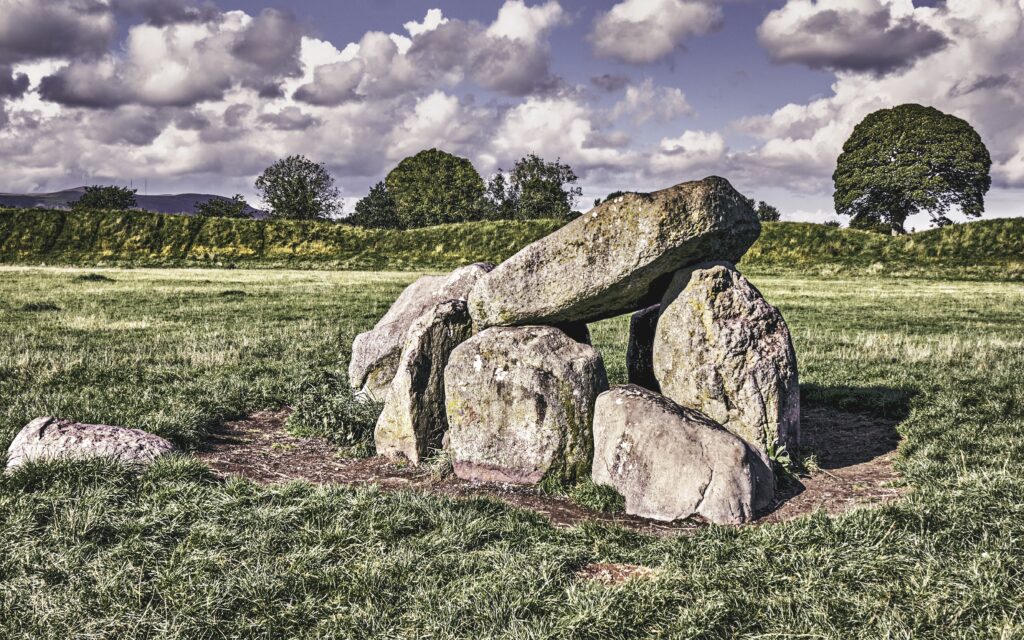
In Carnac, a variety of megalithic structures can be found, including stone circles, dolmens, tumuli, and menhirs. These structures vary in size, shape, and alignment, showcasing the diverse architectural styles and purposes of the ancient inhabitants of the region.
Notable Stone Alignments
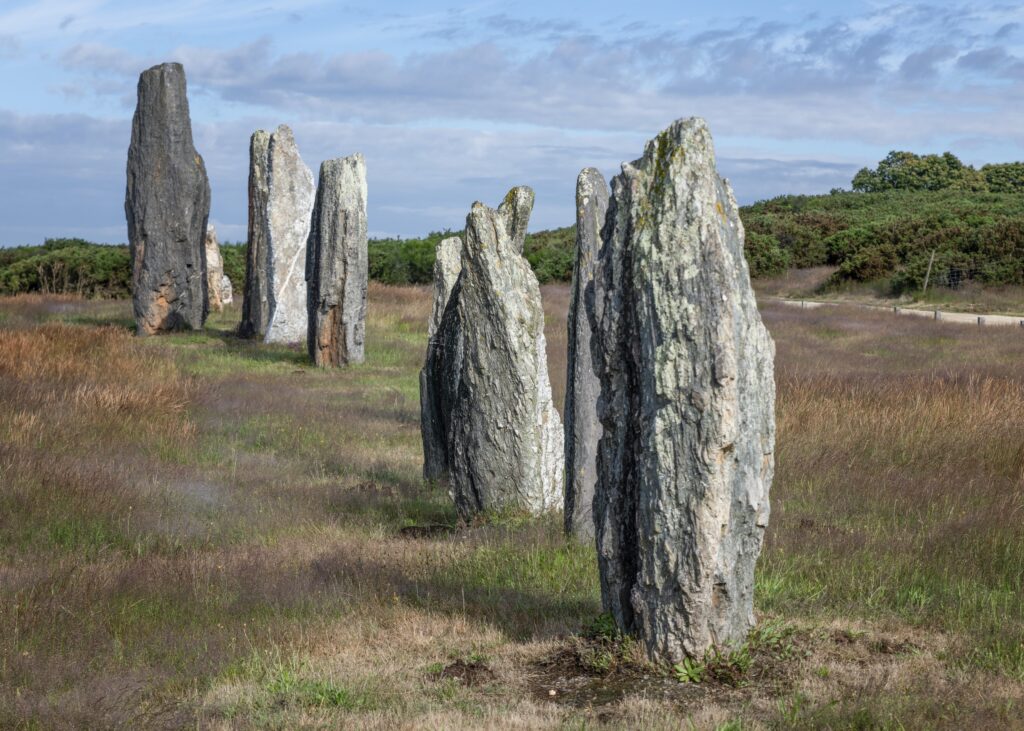
The most famous megalithic structures in Carnac are the stone alignments that span several kilometers across the landscape. These alignments consist of carefully placed standing stones, known as menhirs, arranged in long rows. Each alignment possesses its own unique characteristics and legends, adding to the intrigue and allure of these ancient sites.
Historical Significance
Ancient Origins of the Megalithic Alignments
The origins of Carnac’s megalithic alignments can be traced back to the Neolithic period, around 4500 BCE. The precise motivations behind the construction of these alignments remain a topic of debate among archaeologists and historians. Some theories suggest that they served as ceremonial or religious sites, while others propose that they had astronomical or agricultural purposes.
Timeline of Construction
The construction of the megalithic alignments in Carnac was a gradual process that unfolded over centuries. Archaeological evidence suggests that the alignments were built in multiple phases, with new stones being added and existing stones being repositioned or replaced. This continuous evolution further adds to the mystique and complexity of these ancient structures.
Cultural Context
To truly understand the historical significance of Carnac’s megalithic alignments, one must delve into the cultural context in which they were created. The Neolithic societies that populated this region were deeply connected to the natural world and had a complex spiritual and ritualistic belief system. The alignments embody this symbiotic relationship between humans and their environment, allowing us to glimpse into the belief systems and practices of these enigmatic ancient cultures.
Theories and Interpretations
Archaeological Theories
Archaeologists have put forth various theories to try to unravel the purpose and meaning behind Carnac’s megalithic alignments. Some propose that the stones served as boundary markers for ancient territories or were used in ancient astronomical observations. Others argue that the alignments were linked to rituals or ceremonies, potentially related to fertility or death rites. However, the true function of these alignments remains shrouded in mystery, enticing further exploration and research.
Astronomical Alignments
One compelling theory suggests that the alignments were intentionally positioned to align with celestial bodies and events, symbolizing the connection between the earthly and celestial realms. This interpretation posits that the alignments provided the ancient inhabitants with a way to mark and commemorate astronomical phenomena and to navigate their environment based on celestial observations.
Religious and Ritualistic Interpretations
Many researchers believe that the megalithic alignments in Carnac were associated with ritualistic practices and religious beliefs of the time. These stone monuments may have served as sacred spaces for communal gatherings, ceremonies, and the veneration of ancestral spirits. The carefully arranged alignment of the stones would have created a powerful and awe-inspiring environment, deeply intertwined with the spiritual and supernatural realm.
Possible Purposes of the Alignments
While the true purpose of the megalithic alignments in Carnac remains elusive, their sheer scale and precision suggest that they held immense cultural and symbolic significance. They may have been gathering places for social, political, or religious activities, acted as markers of territorial boundaries, or served as sites for navigating the landscape. Further research and exploration are necessary to shed light on these enigmatic structures.
Myths and Legends Associated with Carnac
Legends of Giants and Druids
Carnac and its megalithic alignments have been steeped in legends passed down through generations. One prevalent myth revolves around giant beings who are said to have been responsible for the construction of the stones. According to folklore, these giants possessed supernatural strength and knowledge, creating Carnac’s monumental stone structures in a single night. Another legend speaks of the influence of Druids, ancient Celtic priests, who were believed to have imbued the stones with mystical energies and used them for their rituals and ceremonies.
Divine Intervention and Supernatural Explanations
In addition to tales of giants and Druids, Carnac’s ancient alignments have also been attributed to divine intervention and supernatural phenomena. Some legends suggest that the stones were created by supernatural beings, such as gods or magical creatures, who left their mark on the landscape. These legends highlight the awe-inspiring nature of the stone alignments and the belief in their otherworldly origins.
Creation Myths
Carnac’s megalithic alignments have inspired creation myths that attempt to explain the origins of these enigmatic structures. These myths often blend supernatural elements with human endeavors, highlighting the intertwining of the natural and mystical realms. Whether it involves divine beings shaping the landscape or the efforts of ancient civilizations leaving a lasting legacy, these creation myths add to the sense of wonder and fascination surrounding Carnac’s megalithic stones.
The Alignments of Carnac
Overview of Carnac Alignments
Carnac’s megalithic alignments are divided into several distinct sites, each with its own unique characteristics and arrangement of stones. These alignments span several kilometers across the picturesque landscape, drawing visitors into a world of ancient mysteries and captivating folklore.
The Great Menhir: A Singular Monument
One of the most awe-inspiring features of Carnac’s megalithic landscape is the Great Menhir, a massive standing stone that stands alone amidst the fields. Believed to be the largest stone of its kind in Europe, the Great Menhir is over 20 meters in height and weighs approximately 280 tons. Its solitary presence adds an air of grandeur and mystery to the surrounding landscape, inviting contemplation and speculation about its purpose and origins.
The Alignments of Kerlescan: Intricate Patterns
The Alignments of Kerlescan offer visitors an intricate tapestry of megalithic stones arranged in various patterns. These alignments consist of over 1,000 individual stones arranged in a semi-circular and fan-like pattern. The precise meaning and purpose of these patterns remain unknown, yet the meticulous arrangement and craftsmanship of the stones leave a lasting impression on all who encounter them.
The Alignments of Ménec: The Longest Rows
For those seeking to immerse themselves in the vastness of Carnac’s megalithic structures, the Alignments of Ménec offer an exceptional experience. These alignments boast the longest rows of standing stones, stretching over a kilometer in length. As visitors walk amidst these towering stones, they can sense the sheer scale of human achievement and the deep connection between the ancient inhabitants of Carnac and their surroundings.
The Alignments of Petit-Ménec: Lesser-known Alignments
While the lesser-known Alignments of Petit-Ménec may not garner the same attention as their counterparts, they possess their own unique charm and character. Consisting of smaller stone alignments, these structures offer a more intimate and secluded experience for visitors, allowing for a deeper appreciation of the craftsmanship and symbolism embedded within each stone.
Exploring the Alignments
Visiting the Megalithic Sites
Exploring Carnac’s megalithic alignments is an adventure in itself. Visitors can embark on guided tours or choose to explore the sites independently. As they walk along the ancient stone rows, they can marvel at the ingenuity and precision of the Neolithic cultures that erected these structures thousands of years ago.
Guided Tours and Interpretive Information
For a deeper understanding of Carnac’s megalithic alignments, guided tours provide valuable insights and context. Knowledgeable guides lead visitors through the sites, unraveling the mysteries and sharing fascinating stories and historical information. Interpretive information boards and signage are also available throughout the alignments, providing visitors with further details about the structures, their significance, and the cultural context in which they were created.
Photography and Documenting the Alignments
Carnac’s megalithic alignments offer countless photo opportunities for visitors to capture the grandeur and intricate details of these ancient structures. Whether it’s the solitary Great Menhir standing tall against the backdrop of the sky or the symmetrical rows of stones lining the landscape, photography enthusiasts will find no shortage of captivating shots. Documenting these alignments not only preserves their beauty but also contributes to ongoing research and exploration.
Visiting the Museum of Prehistory
Overview of the Museum
For a comprehensive understanding of Carnac’s megalithic alignments and their historical context, a visit to the Museum of Prehistory is highly recommended. This museum serves as a hub for archaeological discoveries and educational exhibits related to the region’s ancient past. Through interactive displays, artifacts, and informative narratives, visitors can delve deeper into the mysteries and significance of Carnac’s megalithic stones.
Exhibitions and Artifacts
The Museum of Prehistory showcases various exhibitions that highlight the rich archaeological heritage of Carnac. From intricately carved tools and pottery to replicas of Neolithic burial sites, these exhibitions provide visitors with a tangible connection to the past. Artifacts found within the megalithic alignments, such as jewelry and ceremonial objects, offer further insights into the lives and beliefs of the ancient inhabitants.
Educational Programs
In addition to its exhibitions, the Museum of Prehistory offers educational programs and workshops for visitors of all ages. These programs aim to foster a deeper understanding and appreciation for the cultural heritage of the region. Through hands-on activities, lectures, and demonstrations, participants can engage with the history and archaeology of Carnac in a meaningful and interactive way.
Local Folklore and Traditions
Carnac’s megalithic alignments are not only a testament to the ingenuity of the past but also vital components of local folklore and traditions. The townspeople have embraced the ancient legends and tales associated with the stones, weaving them into the fabric of their cultural identity. Local festivals and events often pay homage to these ancient structures, celebrating the enduring legacy left behind by their creators.
Carnac Today: Modern Attractions and Activities
While Carnac’s megalithic alignments remain the main draw for visitors, the town also offers a variety of modern attractions and activities. With its picturesque coastal setting, Carnac is a haven for outdoor enthusiasts, offering opportunities for hiking, cycling, and water sports. The town’s charming streets are dotted with cafes, boutiques, and art galleries, providing visitors with a taste of contemporary French culture amidst a backdrop of ancient history.
Preservation and Conservation Efforts
Recognizing the importance of preserving and protecting Carnac’s megalithic alignments, concerted efforts have been made to ensure their longevity. Conservation measures, including regular restoration work, monitoring of environmental conditions, and visitor management systems, have been put in place to safeguard these ancient structures for generations to come. By combining modern technology and archaeological expertise, the preservation of Carnac’s megalithic stones continues to be a priority in order to maintain their cultural significance and historical integrity.
Conclusion
Carnac, France, stands as a testament to the enduring legacy of our ancient ancestors. Through its enigmatic megalithic alignments and captivating folklore, this small town invites visitors on a journey of discovery and intrigue. From the towering stones of the Great Menhir to the meticulously arranged alignments of Ménec and Kerlescan, Carnac’s megalithic structures offer a glimpse into the beliefs, customs, and rituals of ancient civilizations. As visitors explore the stone rows and immerse themselves in the mystical ambiance of the alignments, they gain a profound appreciation for the rich tapestry of human history and the enduring fascination of our ancestral past.