Page Navigation
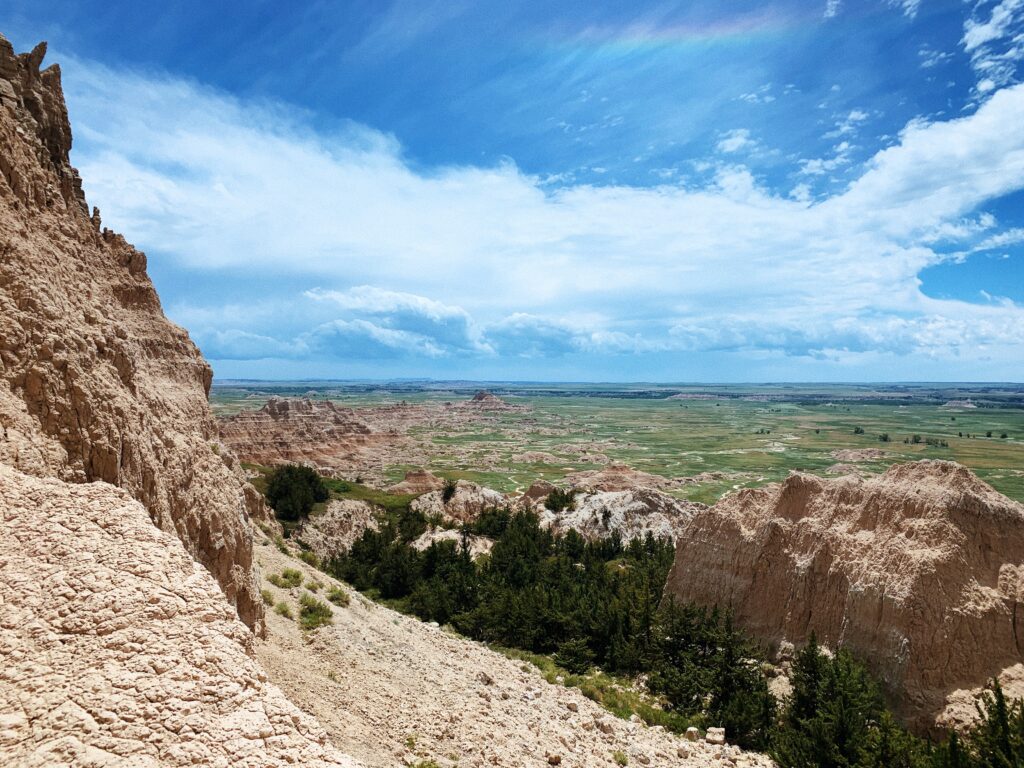
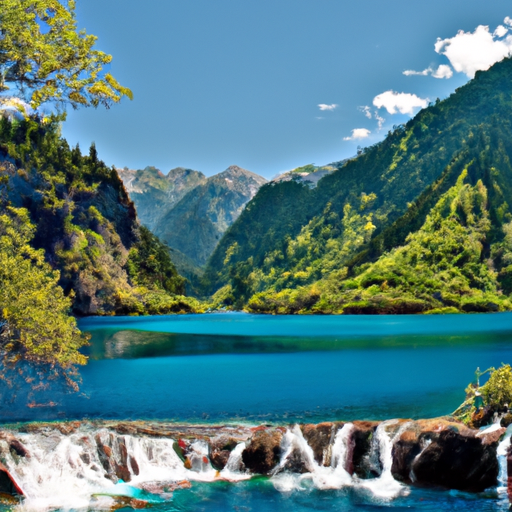
Immerse yourself in the stunning natural beauty of Zion National Park in the United States. This awe-inspiring destination is known for its red rock canyons, lush forests, and the majestic Virgin River. With its breathtaking landscapes that range from towering mountains to serene beaches, Zion National Park offers a rejuvenating getaway for nature enthusiasts. Whether you’re drawn to the allure of exploring deep canyons or hiking along scenic trails, this national park is a captivating haven for all who seek to connect with the splendor of the great outdoors.
Zion National Park
Zion National Park is located in the southwestern United States in the state of Utah. Established in 1919, it covers an area of over 229 square miles and attracts millions of visitors each year. The park is known for its stunning red rock canyons, lush forests, and the iconic Virgin River. Its unique geology, diverse flora and fauna, and a wide range of outdoor activities make it a popular destination for nature enthusiasts and outdoor lovers.
Location and Background
Zion National Park is situated in the southwestern part of Utah, near the town of Springdale. It is surrounded by the Colorado Plateau, which is known for its unique rock formations and deep canyons. The park is part of the larger Zion-Mount Carmel Highway, which connects Zion National Park with Bryce Canyon National Park and Grand Canyon National Park. Its convenient location, close to major cities like Las Vegas, makes it easily accessible to visitors from all over the world.
Geology and Formation
The geology of Zion National Park is truly fascinating. Over millions of years, the area was shaped by the forces of erosion and the uplifting of the Colorado Plateau. The unique combination of sandstone cliffs, mesas, and canyons creates a spectacular and dramatic landscape. The most prominent feature in the park is the Zion Canyon, which was carved out by the Virgin River over thousands of years. The stunning rock formations, such as the famous Angels Landing and the Great White Throne, are a result of the continuous erosion by wind and water.
Importance and Preservation
Zion National Park is not only important for its natural beauty but also for its rich cultural and historical significance. The park is home to several Native American tribes, including the Paiute, who have lived in the area for thousands of years. The park also played a significant role in the development of the National Park Service, as it was one of the first national parks to be established in the United States. Today, the park is committed to preserving its natural resources and educating visitors about the importance of conservation.
Landscape and Features
Zion National Park boasts a diverse range of landscapes and features that will leave visitors in awe. From red rock canyons to lush forests and the powerful Virgin River, there is something for everyone to enjoy.
Red Rock Canyons
The red rock canyons of Zion National Park are its most iconic feature. The towering sandstone cliffs, with their vibrant hues of red and orange, create a breathtaking backdrop against the clear blue sky. The narrow slot canyons, such as The Narrows and the Zion Narrows, provide a unique and adventurous hiking experience. As you navigate through the narrow passages, you will be surrounded by towering walls that have been sculpted by water over millions of years.
Lush Forests
Contrasting with the rugged red rock canyons, Zion National Park is also home to lush forests. The park’s elevation ranges from 3,666 feet to 8,726 feet, creating a diverse range of ecosystems. The forests are dominated by ponderosa pine, Douglas fir, and Engelmann spruce, providing shade and a cool escape from the desert heat. Hiking through the forested areas of the park, you will be surrounded by the tranquil sounds of birds chirping and the gentle rustling of leaves.
The Virgin River
The Virgin River is the lifeblood of Zion National Park. It flows through the park, carving out the stunning Zion Canyon and providing a source of water for the diverse flora and fauna. The river offers opportunities for various recreational activities, including fishing and tubing. The Virgin River Narrows is a particularly popular spot, where visitors can hike through the river itself, surrounded by towering walls of rock.
Waterfalls and Pools
Within Zion National Park, there are several waterfalls and pools that add to its natural beauty. One of the most well-known is the Emerald Pools, a series of pools and waterfalls located at the base of towering cliffs. The Lower Emerald Pool is easily accessible and offers a refreshing oasis during the summer months. For those seeking a more challenging hike, the Upper Emerald Pool requires a bit more effort but rewards hikers with stunning views and a secluded waterfall.
Unique Rock Formations
The unique rock formations in Zion National Park are a testament to the power of nature. From the famous Angels Landing, a towering monolith that offers panoramic views of the park, to the Great White Throne, an imposing white sandstone pinnacle, these formations are a must-see for any visitor. The park is also home to Checkerboard Mesa, known for its distinctive cross-hatched pattern, and the Three Patriarchs, a trio of towering sandstone monoliths.
Flora and Fauna
Zion National Park is rich in biodiversity, with a wide range of plant and animal species calling the park home. From desert shrubs to alpine wildflowers and elusive wildlife, the park offers a unique opportunity to observe and appreciate nature.
Plant Life
Despite the harsh desert environment, Zion National Park is home to a surprising variety of plant life. The lower elevations are characterized by desert shrubs and cacti, such as the Mojave yucca and the prickly pear cactus. As the elevation increases, the landscape transitions to pinyon pine and juniper woodlands. The higher elevations are adorned with lush forests of ponderosa pine, Douglas fir, and quaking aspen. During the spring months, the park becomes a canvas of vibrant wildflowers, with species such as Indian paintbrush, lupine, and sunflowers painting the landscape with their colors.
Animal Life
The diverse habitats of Zion National Park support a wide range of animal species. Visitors may encounter mule deer, desert bighorn sheep, and even the elusive mountain lion during their visit. The park is also a haven for birdwatchers, with over 290 bird species recorded. Keep an eye out for the iconic California condor, which was reintroduced to the park in the 1990s as part of a successful conservation effort. Other common bird species include the golden eagle, peregrine falcon, and the colorful western tanager.
Endangered Species
Zion National Park is committed to the conservation and protection of endangered species. The park is home to several endangered and threatened species, including the southwestern willow flycatcher and the Mexican spotted owl. Efforts are being made to preserve habitat and promote recovery programs for these species. Visitors are reminded to respect the park’s wildlife and adhere to regulations in order to ensure the continued protection of these vulnerable species.
Hiking and Outdoor Activities
As a haven for outdoor enthusiasts, Zion National Park offers a wide range of activities for visitors of all ages and fitness levels. From hiking through majestic canyons to rock climbing towering cliffs, there is something for everyone to enjoy.
Popular Hiking Trails
Zion National Park is famous for its hiking trails, which offer breathtaking views and unrivaled opportunities to immerse oneself in nature. The park boasts an extensive network of trails, catering to beginners and experienced hikers alike. The Narrows, a 16-mile hike through the Virgin River, is a bucket-list experience for many visitors. Angels Landing, with its steep switchbacks and narrow ridgeline, rewards hikers with panoramic views of the park. Other popular trails include Observation Point, Emerald Pools, and the West Rim Trail.
Rock Climbing
For those seeking an adrenaline rush, Zion National Park is a paradise for rock climbers. With its towering sandstone cliffs and challenging routes, the park offers a unique and thrilling experience. Experienced climbers can tackle classic routes such as Moonlight Buttress and Prodigal Sun, while beginners can take part in guided programs to learn the ropes. Climbing in the park is regulated, and climbers are required to obtain a permit and adhere to specific safety guidelines.
Camping
Camping is a popular way to immerse yourself in the beauty and serenity of Zion National Park. The park offers several campgrounds, ranging from primitive sites to more developed and family-friendly options. Reservations are highly recommended, especially during peak seasons, to ensure a spot. Camping provides an opportunity to experience the park’s stunning sunrises and sunsets, as well as the chance to stargaze under the dark night sky.
Horseback Riding
Exploring Zion National Park on horseback is a unique and memorable experience. Guided horseback tours are available, allowing visitors to traverse the park’s scenic trails in a leisurely and traditional way. Riding through the red rock canyons and forests, you will have the opportunity to see wildlife and enjoy the tranquility of nature. Horseback riding tours cater to all skill levels, from beginners to experienced riders.
Cycling and Mountain Biking
Zion National Park also offers opportunities for cycling and mountain biking enthusiasts. The park has paved roads that are open to cyclists, providing a chance to explore the park at your own pace. Mountain biking is permitted on designated trails, offering a thrilling adventure through the park’s diverse landscapes. Cyclists and mountain bikers are reminded to follow park regulations and be aware of other visitors on the trails.
Visitor Center and Services
To enhance your visit and make the most of your time at Zion National Park, it is recommended to start your journey at the Zion Canyon Visitor Center. Here, you will find a wealth of information, services, and facilities to ensure a memorable experience.
Zion Canyon Visitor Center
The Zion Canyon Visitor Center serves as the main hub for visitor services within the park. Here, you can obtain park maps, brochures, and information about current trail conditions and activities. Knowledgeable park rangers are available to answer questions and provide guidance on planning your visit. The visitor center also houses exhibits that showcase the park’s geology, flora, fauna, and cultural history. As the gateway to Zion National Park, the visitor center is an essential starting point for your adventure.
Information and Guided Tours
The Zion Canyon Visitor Center offers a variety of resources to help visitors make the most of their time in the park. Park rangers provide informational talks and guided walks, sharing their knowledge and passion for the park. These tours provide valuable insights into the park’s history, geology, and ecosystem. Additionally, park brochures, guidebooks, and audio tours are available for self-guided exploration. Whether you choose a guided tour or prefer to explore on your own, these resources will enhance your understanding and appreciation of Zion National Park.
Shuttle Services
To minimize traffic congestion and preserve the park’s natural environment, Zion National Park operates a shuttle service during the peak season. The shuttle runs along the Zion Canyon Scenic Drive, providing visitors with convenient access to the park’s most popular trails and scenic spots. The shuttle is free of charge and reduces the need for individual vehicles, allowing everyone to enjoy the park in an eco-friendly and sustainable manner.
Facilities and Accommodation
Zion National Park offers a variety of facilities and accommodations to enhance your visit. The park has picnic areas where you can enjoy a leisurely lunch surrounded by nature. Restrooms and drinking water stations are conveniently located throughout the park, ensuring your comfort during your time spent outdoors. For those looking to extend their stay, the park has several lodges, cabins, and campgrounds. From rustic camping to comfortable lodges, there are options to suit every budget and preference.
Photography and Scenic Spots
With its stunning landscapes and unique rock formations, Zion National Park offers endless opportunities for breathtaking photography. From iconic locations to hidden gems, the park is a photographer’s paradise.
Iconic Photography Locations
Zion National Park is home to several iconic locations that have been captured by photographers from around the world. The top of Angels Landing provides a panoramic view of the entire park, with sweeping vistas of the red rock canyons and the Virgin River. The Watchman Trail offers a unique perspective of the park, with views of the Watchman spire and the iconic Virgin River Bridge. Other popular photography spots include the Canyon Overlook, Zion Narrows, and the Emerald Pools.
Scenic Overlooks
Throughout Zion National Park, there are numerous scenic overlooks that offer breathtaking views of the surrounding landscapes. These overlooks provide the perfect vantage point to capture the beauty of the red rock canyons, lush forests, and the meandering Virgin River. Some notable overlooks include the Canyon Junction Bridge, the Court of the Patriarchs, and the Pa’rus Trail. Sunrise and sunset are particularly magical times to visit these overlooks, as the changing light creates a stunning display of colors.
Sunrise and Sunset Views
The dramatic landscapes of Zion National Park are even more captivating during sunrise and sunset. The warm colors of the rising and setting sun illuminate the towering cliffs, casting a golden glow over the entire park. Watching the sunrise from locations such as Angels Landing or the Canyon Overlook is a truly magical experience. Sunset hikes to locations like Observation Point or the Watchman Trail offer the chance to witness the changing colors of the sky and the park’s geology as the day comes to a close.
Seasonal Attractions
Zion National Park offers unique attractions and experiences throughout the year. Each season brings its own charm and beauty to the park.
Wildflower Blooms
During the spring months, Zion National Park bursts into a colorful display of wildflowers. As temperatures rise and snowmelt feeds the Virgin River, vibrant blooms blanket the meadows and hillsides. Indian paintbrush, lupine, and sunflowers are just a few of the species that adorn the landscape. Exploring the park during this time allows you to witness the renewal of life and the delicate beauty of these wildflowers.
Fall Foliage
Autumn is a mesmerizing season in Zion National Park as the foliage begins to change from green to a vibrant display of reds, oranges, and yellows. The park’s deciduous trees, such as aspens and cottonwoods, transform the landscape into a tapestry of colors. Hiking through the canyon trails or enjoying a scenic drive becomes an even more enchanting experience during this time. The cooler temperatures and crisp air enhance the beauty of the fall foliage, making it a popular season for photographers and nature enthusiasts.
Winter Activities
While winters in Zion National Park may be colder, they offer a unique opportunity for outdoor activities and solitude. The park’s red rock canyons take on a different beauty under a blanket of snow. Winter hiking and snowshoeing allow you to experience the park in a peaceful and serene setting. The Riverside Walk is a popular winter hike, offering stunning views of snow-covered cliffs and the frozen Virgin River. Cross-country skiing and wildlife spotting are also popular winter activities.
Spring Wildlife Sightings
Spring is a season of renewal and birth in Zion National Park, making it an excellent time for wildlife enthusiasts. As temperatures rise and snow melts, wildlife emerges from their winter habitats. Elk, mule deer, and desert bighorn sheep can often be spotted grazing in the meadows or scaling the steep cliffs. Birdwatchers can also enjoy the arrival of migratory species, such as hummingbirds and warblers. Springtime provides a unique chance to witness the park’s wildlife in action.
Nearby Attractions
Zion National Park is surrounded by other breathtaking natural attractions, offering visitors the opportunity to explore beyond its boundaries.
Bryce Canyon National Park
Located just a short drive away from Zion National Park is Bryce Canyon National Park. Known for its unique red rock hoodoos and towering spires, Bryce Canyon offers a completely different landscape and geological features. Visitors can hike along the rim of the canyon or venture down into the amphitheaters to get up close and personal with the hoodoos. The park is especially stunning at sunrise and sunset when the vibrant colors of the rocks come to life.
Grand Canyon National Park
For those willing to venture a bit farther, Grand Canyon National Park is within driving distance of Zion National Park. The Grand Canyon is one of the world’s most iconic natural wonders, known for its vastness and awe-inspiring beauty. Visitors can explore the South Rim, where numerous overlooks provide breathtaking views of the canyon. Adventurous visitors may choose to hike down into the canyon or take a thrilling helicopter ride for a bird’s-eye view.
Coral Pink Sand Dunes State Park
Coral Pink Sand Dunes State Park is a hidden gem located near Zion National Park. This unique park features massive dunes of pink-colored sand, creating a surreal landscape. Visitors can hike or sandboard on the dunes, creating a sense of adventure and excitement. Camping is also available for those who want to spend the night surrounded by the vibrant colors of the dunes.
Kolob Canyons
Located in the northern part of Zion National Park, Kolob Canyons offers a different perspective and a quieter experience. The canyons are known for their stunning red rock formations and breathtaking vistas. With fewer crowds and a more secluded atmosphere, Kolob Canyons is a perfect destination for those seeking solitude and a deeper connection with nature. Several hiking trails provide opportunities to explore the canyons and marvel at the unique geology.
Visitor Tips and Safety
To ensure a safe and enjoyable visit to Zion National Park, it is important to be prepared and informed. Here are some tips and guidelines to keep in mind.
Best Time to Visit
Zion National Park can be visited year-round, but certain seasons offer more favorable weather and fewer crowds. Spring and fall are considered the best times to visit due to mild temperatures and the opportunity to witness wildflower blooms or fall foliage. Summer can be hot, especially in the lower elevations, so it is important to plan outdoor activities during the cooler morning or evening hours. Winter is less crowded, but some trails may be inaccessible due to snow and icy conditions.
Weather and Climate
The weather in Zion National Park can vary greatly depending on the season and elevation. Summers are hot, with temperatures often exceeding 100 degrees Fahrenheit in the lower elevations. Thunderstorms are common during the summer months and can cause flash flooding in narrow canyons. Winters are relatively mild, but temperatures can drop below freezing, especially in the higher elevations. It is important to check the weather forecast and dress in layers, as temperatures can fluctuate throughout the day.
Hydration and Sunscreen
Staying hydrated is crucial when visiting Zion National Park, especially during the hot summer months. Drink plenty of water and bring a refillable water bottle to ensure you have access to fresh water throughout your hikes and activities. It is also important to protect your skin from the sun’s harmful rays by wearing sunscreen, a hat, and sunglasses. The high elevation and clear skies in the park make it easy to get sunburned, even on cloudy days.
Trail Safety and Regulations
When hiking or exploring Zion National Park, it is important to follow trail safety guidelines and park regulations. Stay on designated trails and avoid venturing off-trail to protect fragile ecosystems and preserve the park’s natural beauty. Carry a map, plenty of water, and essential supplies when embarking on hikes, and inform others of your plans. Be aware of weather conditions, flash flood warnings, and wildlife encounters. It is also important to pack out any trash and respect wildlife by observing from a safe distance.
Preserving Zion National Park
As a cherished natural treasure, Zion National Park relies on the efforts of its visitors and the park authorities to ensure its preservation for future generations.
Conservation and Environmental Efforts
Zion National Park is committed to the conservation and protection of its natural resources. The park authorities work tirelessly to monitor and manage the park’s ecosystems, mitigate the impact of human activities, and preserve the delicate balance of the ecosystem. Conservation initiatives focus on protecting endangered species, restoring native habitats, and reducing water and energy consumption. By supporting these efforts, visitors can contribute to the long-term sustainability of the park.
Leave No Trace Principles
One of the most important ways visitors can help preserve Zion National Park is by practicing Leave No Trace principles. These principles encourage responsible outdoor behavior and aim to minimize the impact on the environment. Some key principles to follow include taking out all trash, staying on designated trails, minimizing campfire impacts, respecting wildlife, and being considerate of other visitors. By adhering to these principles, visitors can help preserve the natural beauty and integrity of the park.
Responsible Tourism
Responsible tourism is crucial for the long-term preservation of Zion National Park. Visitors can contribute to the park’s sustainability by choosing sustainable transportation options, such as using the park shuttle or carpooling. Minimizing waste, conserving water, and following park regulations are also important in reducing the environmental impact of tourism. Supporting local businesses and participating in educational programs offered by the park are additional ways to practice responsible tourism and support the local economy.
In conclusion, Zion National Park offers a mesmerizing blend of natural beauty, diverse ecosystems, and thrilling outdoor activities. From the spectacular red rock canyons and lush forests to the powerful Virgin River and unique rock formations, the park is a must-visit destination for nature enthusiasts. With its extensive trail network, opportunities for rock climbing, camping, horseback riding, and cycling, there is something for every outdoor lover to enjoy. The park’s commitment to conservation, responsible tourism, and preserving its unique ecosystems ensures that future generations will also have the chance to experience and appreciate its natural wonders. Whether visiting for a day trip or an extended stay, Zion National Park is sure to leave a lasting impression and provide a rejuvenating escape into the beauty of nature.