Page Navigation
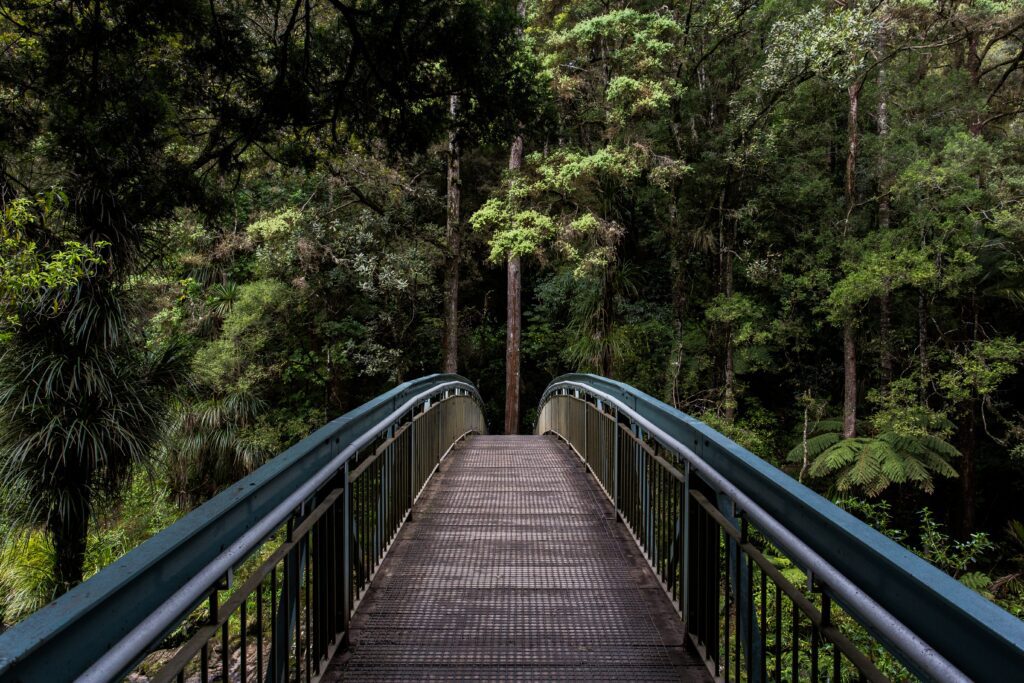
Imagine immersing yourself in the world’s largest tropical rainforest, the Amazon Rainforest in South America. As you venture deeper into this natural oasis, you are greeted by a mesmerizing display of natural beauty and breathtaking landscapes. From dense forests teeming with life to serene rivers that wind their way through the lush vegetation, the Amazon Rainforest offers a truly awe-inspiring experience. Prepare to be captivated by the sheer magnificence of this ecological wonderland, where every step reveals a new discovery waiting to be explored.
Geographical Location and Size
Location within South America
The Amazon Rainforest is located in South America, covering a vast area that spans across several countries. It is primarily situated in Brazil, but it also extends into other countries such as Peru, Colombia, Venezuela, Ecuador, Bolivia, Guyana, Suriname, and French Guiana. This expansive rainforest is nestled within the heart of the continent, making it a critical part of South America’s geographical and ecological landscape.
Spread across countries
With its massive size, the Amazon Rainforest stretches across approximately 2.1 million square miles, making it the largest tropical rainforest in the world. More than half of this vast rainforest lies within the boundaries of Brazil, covering around 60% of the country’s territory. The remainder of the rainforest is distributed amongst the other countries it spans, with each nation contributing to its overall ecological significance.
Total area
The total area of the Amazon Rainforest is truly staggering. It covers an immense expanse of land, equivalent to about 7 million square kilometers or 1.7 billion acres. To put this into perspective, the Amazon Rainforest is larger than the entire land area of the contiguous United States and nearly the size of the entire European continent. The sheer scale of this rainforest contributes to its unparalleled biodiversity and environmental importance.
Climate and Rainfall
Tropical climate
The Amazon Rainforest experiences a tropical climate, characterized by high temperatures and humidity throughout the year. The region remains hot and humid with little variation in temperature due to its proximity to the Equator. The average temperature hovers around 77°F (25°C), providing a warm and conducive environment for the dense vegetation and abundant wildlife that inhabit the rainforest.
High rainfall
One of the defining features of the Amazon Rainforest is its high rainfall levels. Annual precipitation in the region can reach astounding amounts, often exceeding 100 inches (2,500 mm) in some areas. The extensive rainfall sustains the lush vegetation and supports the countless rivers and waterways that flow through the rainforest. This abundance of water contributes to the unparalleled biodiversity and thriving ecosystems found within the Amazon.
Rainfall patterns
The rainfall in the Amazon Rainforest follows distinct patterns. The region experiences two primary seasons: the dry season and the wet season. During the wet season, which typically occurs from December to May, heavy rain showers drench the rainforest, leading to swollen rivers and flooding. Conversely, the dry season, which lasts from June to November, sees a significant decrease in rainfall. However, even during the dry season, there is still enough moisture to sustain the rainforest’s diverse flora and fauna.
Biodiversity and Ecosystem
Rich biodiversity
The Amazon Rainforest is renowned for its unparalleled biodiversity. It is estimated that the rainforest is home to approximately 10% of the world’s known species, making it a global treasure trove of flora and fauna. From its towering canopy to its vibrant forest floor, every layer of the rainforest teems with life. The incredible diversity of plant and animal species showcases the complex and delicate web of life that exists within this extraordinary ecosystem.
Variety of ecosystems
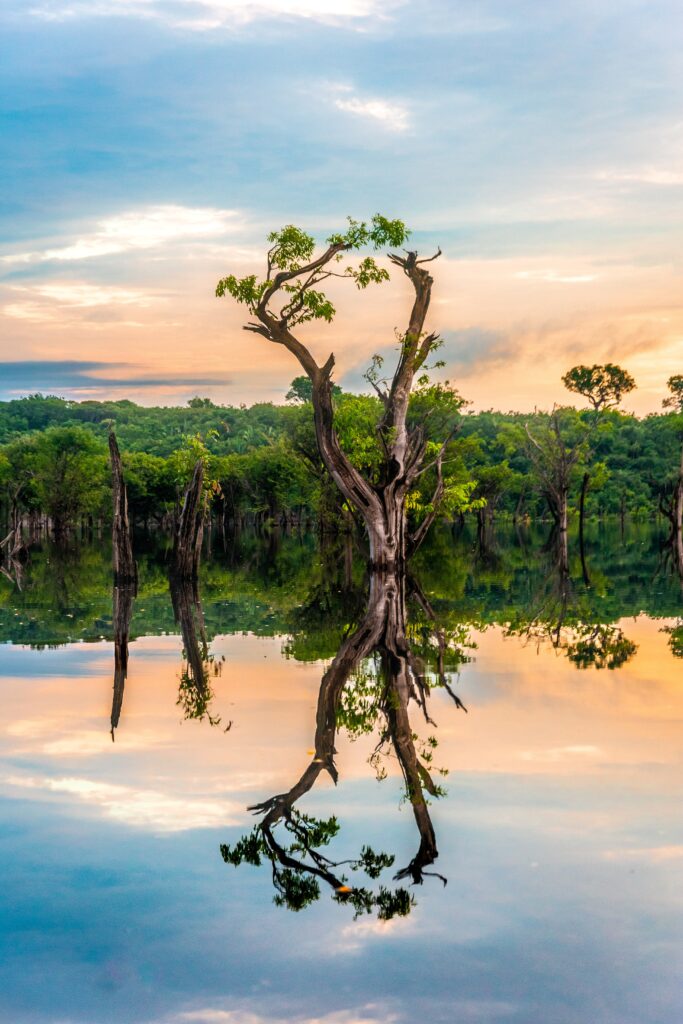
Within the Amazon Rainforest, there is an astonishing variety of ecosystems. The rainforest contains a vast array of habitats, including flooded forests, upland forests, and freshwater ecosystems. Each of these ecosystems supports different plant and animal species, contributing to the overall richness and complexity of the rainforest. This diverse range of habitats is what makes the Amazon Rainforest a truly unique and irreplaceable natural wonder.
Importance for global ecosystem
The Amazon Rainforest plays a crucial role in the global ecosystem. Its immense size and unrivaled biodiversity contribute to a range of ecological processes that affect the entire planet. The rainforest acts as a carbon sink, absorbing vast amounts of carbon dioxide from the atmosphere and helping to regulate the global climate. Additionally, the rainforest is responsible for producing a significant portion of the Earth’s oxygen, making it vital for the well-being of all living organisms on the planet.
Flora and Fauna
Diverse plant species
The Amazon Rainforest is home to an incredible diversity of plant species. It is estimated that the rainforest boasts over 16,000 tree species, including iconic ones like the Brazil nut tree, mahogany, and rubber tree. The forest floor is adorned with an assortment of flowering plants, ferns, and mosses, each playing a vital role in the rainforest’s intricate ecosystem. The variety of plant life found in the Amazon Rainforest is a testament to its exceptional fertility and remarkable adaptability.
Rare and endemic species
In addition to its diverse plant life, the Amazon Rainforest is also home to a wealth of rare and endemic animal species. Many of these species are found nowhere else on Earth, making them invaluable in terms of biodiversity conservation. From iconic animals like jaguars, giant river otters, and macaws to lesser-known but equally unique creatures like poison dart frogs and sloths, the rainforest harbors an astonishing assemblage of wildlife that continues to awe and inspire.
Threatened and endangered species
Unfortunately, the Amazon Rainforest is also home to numerous threatened and endangered species. The rapid destruction of their habitat, coupled with illegal wildlife trade, poses severe threats to these vulnerable creatures. Species such as the Amazon river dolphin, black spider monkey, and harpy eagle face an uncertain future if conservation efforts are not intensified. Preserving the Amazon Rainforest is crucial to safeguarding these irreplaceable species and preventing their extinction.
Indigenous Culture and Communities
Native tribes
The Amazon Rainforest is not only teeming with natural wonders but also rich in cultural heritage. It is home to numerous indigenous tribes who have inhabited the region for thousands of years. These native communities have deep connections to the land and possess invaluable knowledge about the rainforest’s resources and sustainable practices. Their presence and traditions highlight the intricate relationship between humans and nature, providing valuable insights into coexistence and conservation.
Traditional knowledge and practices
The indigenous tribes of the Amazon Rainforest possess a wealth of traditional knowledge and practices that have been passed down through generations. Their understanding of medicinal plants, sustainable farming techniques, and resource management is invaluable in promoting sustainable development and preserving the rainforest’s delicate balance. The wisdom and expertise of these communities offer valuable lessons for the rest of the world, showcasing the importance of protecting indigenous cultures and their ancestral lands.
Sustainable resource management
Indigenous communities living in the Amazon Rainforest have long practiced sustainable resource management. They have developed intricate systems that allow for the utilization of natural resources while ensuring their long-term sustainability. Their practices prioritize the well-being of both the rainforest and its inhabitants, demonstrating the harmony that can be achieved between human activities and the environment. Learning from and supporting these sustainable resource management techniques is crucial for the future of the Amazon Rainforest.
Environmental Threats and Conservation Efforts
Deforestation and land use
One of the most significant threats to the Amazon Rainforest is deforestation and unsustainable land use practices. Large-scale agriculture, logging, and infrastructure development have led to extensive clearing of land, fragmenting the rainforest and destroying vital habitats. This loss of forest cover not only threatens countless species but also contributes to climate change by releasing stored carbon dioxide back into the atmosphere. Efforts to address deforestation and promote sustainable land use are essential to mitigate these environmental impacts.
Illegal logging and mining
Illegal logging and mining activities pose additional challenges to the conservation of the Amazon Rainforest. These activities not only result in habitat destruction but also wreak havoc on local communities and ecosystems. The extraction of valuable resources without proper regulation and oversight often leads to environmental degradation and social injustices. Combating illegal activities through stricter enforcement and promoting sustainable alternatives is crucial for the long-term preservation of the rainforest.
Conservation initiatives and organizations
Despite the environmental threats, conservation initiatives and organizations dedicated to protecting the Amazon Rainforest have emerged. Local and international organizations collaborate to establish protected areas, promote sustainable land use, and empower local communities. These initiatives play a vital role in raising awareness, supporting research, and implementing practical solutions to conserve the rainforest. Through these collective efforts, the world is coming together to safeguard the Amazon Rainforest and its invaluable biodiversity.
Tourism and Eco-Tourism
Visitor attractions
The Amazon Rainforest offers a plethora of visitor attractions that showcase its natural beauty and ecological wonders. From guided tours along the Amazon River to treks through dense jungles, visitors have the opportunity to observe unique wildlife, witness breathtaking landscapes, and immerse themselves in the rainforest’s vibrant atmosphere. Iconic landmarks such as the Meeting of the Waters, the Amazon Theatre, and the Tambopata National Reserve provide unforgettable experiences that highlight the region’s allure.
Supporting local communities
Tourism in the Amazon Rainforest also holds the potential to positively impact local communities. Responsible and sustainable tourism practices can support the socio-economic development of indigenous tribes and local populations. By providing employment opportunities, promoting cultural preservation, and generating income through handicrafts and eco-lodges, tourism can create incentives for local communities to actively participate in conservation efforts and protect their ancestral lands.
Sustainable tourism practices
To ensure the long-term sustainability of tourism in the Amazon Rainforest, it is crucial to adopt sustainable practices. Eco-tourism initiatives that prioritize minimal ecological footprint, respect for local cultures, and community engagement are essential. Encouraging responsible travel behaviors, such as the use of eco-friendly accommodations, supporting local guides, and engaging in educational programs, can contribute to the overall conservation of the rainforest and create a positive and lasting impact.

Scientific Research and Discoveries
Ongoing scientific studies
Scientific research in the Amazon Rainforest is ongoing and continues to yield important discoveries. From studying newly discovered species to investigating the intricate relationships between different elements of the ecosystem, researchers are constantly making breakthroughs that expand our understanding of this unique environment. Their work provides crucial insights into the rainforest’s ecology and fuels efforts to conserve and protect its fragile balance.
Medicinal plants and traditional medicine
The Amazon Rainforest is believed to be a treasure trove of medicinal plants and traditional medicine. Indigenous communities have relied on the rainforest’s rich botanical resources for centuries to treat various ailments and maintain their well-being. Through scientific research, efforts are being made to identify and study the medicinal properties of these plants, leading to potential breakthroughs in pharmaceuticals and greater appreciation for traditional healing practices.
Newly discovered species
The Amazon Rainforest continues to reveal new species that were previously unknown to science. Every year, numerous plants, animals, and microorganisms are discovered within the rainforest’s depths. These discoveries highlight the incredible biodiversity of the region and underscore the urgent need for conservation. Protecting the rainforest is not only crucial for preserving the currently known species but also for ensuring the discovery and understanding of countless new ones in the future.
Impacts on Climate Change and Global Carbon Cycle
Carbon sequestration
The Amazon Rainforest plays a significant role in carbon sequestration, acting as a vital carbon sink. The dense vegetation in the rainforest absorbs vast amounts of carbon dioxide from the atmosphere through photosynthesis, helping to mitigate the impacts of climate change. The conservation and restoration of the rainforest are paramount in maintaining this crucial function of carbon sequestration and combating the rising levels of greenhouse gases in the atmosphere.
Climate regulation
In addition to carbon sequestration, the Amazon Rainforest also plays a crucial role in regulating regional and global climates. The rainforest generates its own weather systems, releasing moisture into the atmosphere through evapotranspiration. This process influences rainfall patterns not only within the region but also in other parts of the world. The magnitude of the Amazon’s impact on climate regulation underscores the need to protect and preserve this critical ecosystem.
Effects of deforestation on climate
Deforestation in the Amazon Rainforest has severe consequences for the climate. When trees are cleared and forests are burned, the stored carbon within them is released into the atmosphere as carbon dioxide, a greenhouse gas that contributes to global warming. Moreover, the loss of forest cover disrupts the complex weather patterns that the rainforest generates, potentially leading to droughts, altered rainfall patterns, and further climate instability. Preventing deforestation is vital for mitigating climate change and maintaining climatic stability.
Socio-economic Importance
Resource extraction
The Amazon Rainforest serves as a significant source of natural resources, contributing to regional and global economies. Timber, minerals, and oils extracted from the rainforest are valuable commodities that support various industries. However, the extraction of these resources must be carefully regulated and managed to minimize the negative environmental impacts and ensure sustainable practices that preserve the rainforest’s ecological integrity for future generations.
Livelihoods and economic activities
The Amazon Rainforest is not only a source of resources but also a provider of livelihoods for millions of people. Local communities rely on the rainforest for sustenance, traditional practices, and income opportunities through activities like fishing, agriculture, and eco-tourism. The sustainable use of the rainforest’s resources, coupled with the empowerment of local communities, can create economic activities that improve livelihoods while promoting the long-term conservation of this vital ecosystem.
Impacts on local and regional economies
The Amazon Rainforest has a profound impact on local and regional economies. It acts as an economic engine, generating revenue and employment opportunities through various sectors, including tourism, agriculture, and extraction industries. The preservation and sustainable management of the rainforest contribute to the stability and growth of these economies, while the destruction and loss of the rainforest could have devastating consequences for the communities and regions reliant upon its resources and services.
In conclusion, the Amazon Rainforest in South America is an extraordinary and diverse ecosystem of unparalleled importance. Its vast size, rich biodiversity, and cultural heritage make it a treasury of natural wonders. However, the rainforest faces significant threats from deforestation, illegal activities, and climate change. It is crucial to prioritize conservation efforts, support local communities, and promote sustainable practices to ensure the survival of this invaluable ecological gem. By safeguarding the Amazon Rainforest, we not only protect a majestic natural wonder but also contribute to the well-being of the planet and future generations.