Page Navigation
Embark on a journey to Göbekli Tepe in Turkey, a site shrouded in mystery and intrigue. With its enigmatic ruins and ancient origins, this archaeological marvel has puzzled researchers for years. Explore the captivating theories that surround this fascinating site, as you uncover the secrets that have shaped cultures and beliefs throughout history. Discover how Göbekli Tepe challenges our understanding of prehistoric civilizations and leaves us questioning the origins of complex societies. Join us as we delve into the mysteries that lay hidden within the intricate structures of Göbekli Tepe, and unlock the secrets it holds about our ancient past.
The History of Göbekli Tepe
Discovery of Göbekli Tepe
The ancient site of Göbekli Tepe, located in southeastern Turkey, holds great significance in the world of archaeology. It was first discovered in the 1960s, when a survey conducted by archaeologist Peter Benedict identified a large mound in the area. However, it was not until 1994, when Klaus Schmidt, a German archaeologist, began excavations, that the true importance of the site started to become apparent.
Age of Göbekli Tepe
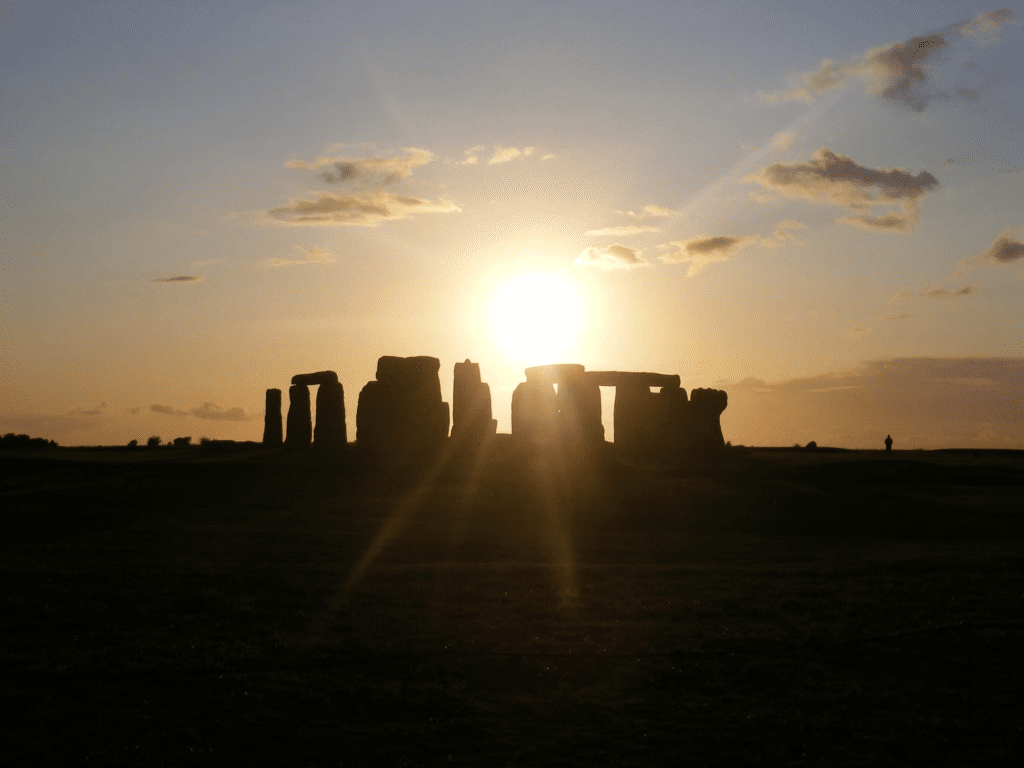
One of the most fascinating aspects of Göbekli Tepe is its age. Radiocarbon dating has revealed that the site dates back to the 10th millennium BCE, making it over 12,000 years old. This predates other famous ancient structures such as Stonehenge and the Great Pyramids of Egypt by thousands of years. The existence of such a complex and sophisticated site during a time when humans were traditionally thought to be simple hunter-gatherers challenges our understanding of early human civilization.
Archaeological Significance
The Oldest Known Temple
Göbekli Tepe holds the distinction of being the oldest known temple complex in the world. The site consists of a series of stone circles and pillars, some of which reach up to 16 feet in height. These pillars are adorned with intricate carvings of animals, creating a mesmerizing display of ancient artistry. The discovery of Göbekli Tepe suggests that organized religion and ritual practices may have existed much earlier than previously believed.
Complex Construction Techniques
The construction techniques employed at Göbekli Tepe are a testament to the advanced skills of its builders. The large T-shaped pillars were carefully carved and positioned to create circular enclosures. The precision with which they were erected indicates a high level of planning and engineering knowledge. Surprisingly, no evidence of domestic structures or permanent settlements have been found at the site, suggesting that it was specifically designed as a place of worship and communal gathering.
Structure and Design
T-shaped Pillars and Carvings
Göbekli Tepe is renowned for its distinctive T-shaped pillars, which are a defining feature of the site. These massive stones, weighing several tons each, were purposely shaped to resemble human figures. Intricate carvings of animals such as lions, snakes, and birds adorn the pillars, showcasing the ancient people’s reverence for the natural world. Some theories suggest that the carvings represent specific mythological or cosmological narratives, while others propose that they may have served as totems or ancestral representations.
Circular Enclosures
The circular enclosures at Göbekli Tepe are another intriguing aspect of its design. These structures, some measuring up to 100 feet in diameter, were carefully constructed using a series of concentric stone rings. Each enclosure consists of multiple pillars arranged in a radial pattern, creating a unique architectural layout. Scholars believe that these circles served as gathering spaces for religious rituals and communal activities.
Art and Symbolism
Animal Figurines and Reliefs
The intricate carvings found on the pillars of Göbekli Tepe include a wide array of animal figures. Lively depictions of predators, prey animals, and birds showcase the ancient people’s close connection with the natural world. Additionally, small figurines and reliefs of animals have been uncovered at the site. These art pieces provide clues about the symbolic and spiritual beliefs of the builders, shedding light on their understanding of the universe.
Cosmological and Mythological Interpretations
The animal carvings and symbols at Göbekli Tepe have prompted various interpretations regarding their meaning. Some scholars argue that they represent a cosmological map or calendar, depicting celestial events and time cycles. Others believe that the carvings convey mythological narratives and religious rituals. Understanding the symbolism and meaning behind these ancient artworks remains a subject of ongoing research and debate.
Function and Purpose
Religious and Ritual Site
Göbekli Tepe is widely believed to have served as a religious and ritual center. The absence of residential structures and the sheer scale and complexity of the site support this hypothesis. The presence of the T-shaped pillars and intricate carvings points to a site dedicated to worship and ceremonial practices. Its construction and design would have required a high level of organization and coordination, indicating the site’s importance in the cultural and spiritual life of the ancient community.
Social and Community Center
In addition to its religious function, Göbekli Tepe is believed to have served as a social and community center. The large circular enclosures would have been ideal spaces for gatherings and communal activities. The site’s location, situated on a hill and providing panoramic views of the surrounding landscape, suggests that it may have also served as a meeting point for different groups or tribes. Göbekli Tepe would have been a hub of social interaction and cultural exchange in ancient times.
Ancient Mystery and Controversial Theories
Unknown Civilization
Göbekli Tepe presents a fascinating mystery: the people who built it remain unknown. The absence of evidence regarding the builders’ identity has led to various theories and speculation. Some researchers argue that Göbekli Tepe might be the work of an advanced yet undiscovered civilization that predates the agricultural revolution. Others propose that it was constructed by hunter-gatherer communities and served as a gathering place for various tribes. Unraveling the true identity of the builders is a captivating challenge for archaeologists.
Burial Site or Cosmic Observatory
Another controversial theory regarding Göbekli Tepe’s purpose is that it may have functioned as a burial site. The absence of human remains at the site has puzzled researchers; however, it is possible that burials were conducted elsewhere and that Göbekli Tepe held a broader spiritual significance. Alternatively, some researchers propose that the site might have been an ancient cosmic observatory, used to track celestial events and enhance the community’s understanding of the universe. Further research and excavation may provide more insights into these intriguing possibilities.
Environmental Context
Prehistoric Landscape
Göbekli Tepe was established in a region characterized by a unique prehistoric landscape. At the time of its construction, the site would have been surrounded by a fertile and lush environment. River valleys, abundant with wildlife and vegetation, would have provided the necessary resources for sustenance and survival. Understanding the environmental context of Göbekli Tepe is crucial for comprehending the ancient people’s relationship with their surroundings.
Climate and Vegetation
The climate of the region during the time of Göbekli Tepe’s construction would have been different from the arid conditions seen in the area today. Research suggests that a milder and wetter climate prevailed, supporting a diverse range of flora and fauna. This favorable environment would have facilitated the growth of crops and contributed to the settlement and development of ancient communities. The changing climate over time has presented challenges in preserving and studying Göbekli Tepe, emphasizing the need for ongoing research and environmental analysis.
Excavations and Preservation
Uncovering the Site
Archaeological excavations at Göbekli Tepe began in 1994 under the guidance of Klaus Schmidt. The careful process of revealing the site’s complex structures and artifacts required meticulous documentation, preservation, and analysis. As excavation continues, new discoveries shed further light on the intricacies of Göbekli Tepe’s design and function. The slow and painstaking nature of archaeological work ensures that valuable information is methodically extracted from the site.
Preservation Efforts
Preserving the ancient ruins of Göbekli Tepe is an ongoing challenge due to the site’s exposure to environmental elements and potential damage caused by tourism. To mitigate these risks, a protective roof has been constructed over some areas of the site, shielding the delicate stone structures and carvings from the effects of rainfall and direct sunlight. Additionally, visitor access is carefully regulated to prevent unnecessary wear and tear. Conservation efforts continue to be a priority to ensure the long-term preservation of this invaluable archaeological treasure.
Visitor Experience
Exploring the Site
Visiting Göbekli Tepe offers a unique opportunity to witness an ancient wonder firsthand. As you step onto the site, you are transported back in time, immersing yourself in the awe-inspiring architecture and exquisite carvings that have captivated scholars and tourists alike. Guided tours provide insightful commentary on the site’s history, design, and significance. Exploring the vast circular enclosures and marveling at the towering T-shaped pillars will leave you with a profound appreciation for the ingenuity and cultural richness of our ancient ancestors.
Visiting the Museum
Adjacent to the archaeological site, the Göbekli Tepe Museum provides visitors with an immersive experience that complements their exploration of the ruins. The museum houses a vast collection of artifacts, including animal figurines, tools, and religious objects found during excavations. Exhibits offer valuable contextual information, educating visitors about the cultural, social, and spiritual aspects of the ancient people who built Göbekli Tepe. A visit to the museum enhances the overall understanding and appreciation of the site’s historical significance.
Current Research and Future Discoveries
Ongoing Excavations
Excavations at Göbekli Tepe continue to unearth new discoveries, expanding our understanding of this ancient site. By meticulously examining layers of sediment and carefully removing debris, archaeologists strive to reveal previously hidden structures and uncover artifacts that provide further insight into the lives of the people who once inhabited this remarkable place. Ongoing research aims to address unanswered questions and shed light on the mysteries surrounding Göbekli Tepe.
Exploring Surrounding Areas
The significance of Göbekli Tepe extends beyond the boundaries of the archaeological site itself. Scholars and researchers are also investigating the surrounding area to gain a comprehensive understanding of the ancient landscape and its relationship to the site. By studying other nearby mounds, structures, and geological features, archaeologists hope to piece together a broader picture of the region’s prehistoric past and better understand the cultural and environmental context in which Göbekli Tepe thrived.
In conclusion, Göbekli Tepe stands as a testament to the ingenuity, spirituality, and complex social organization of our ancient ancestors. This enigmatic archaeological site challenges our understanding of early human civilization and offers a glimpse into the roots of organized religion and communal gatherings. As ongoing research and excavations continue to reveal more about this ancient wonder, we are reminded of the intricate and mysterious nature of our shared human history.