Page Navigation
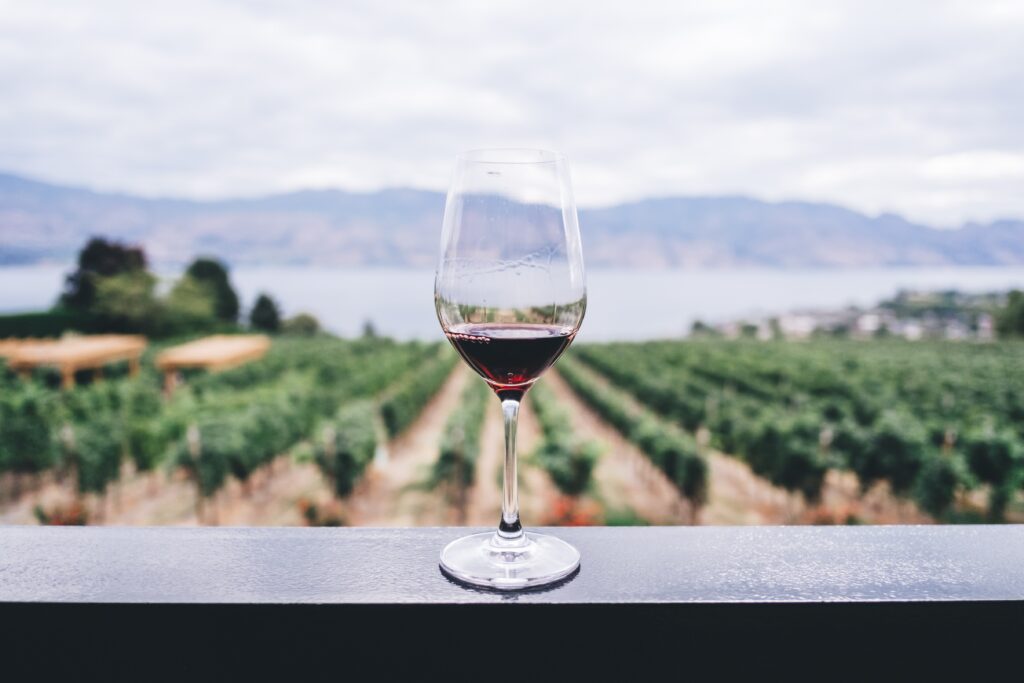
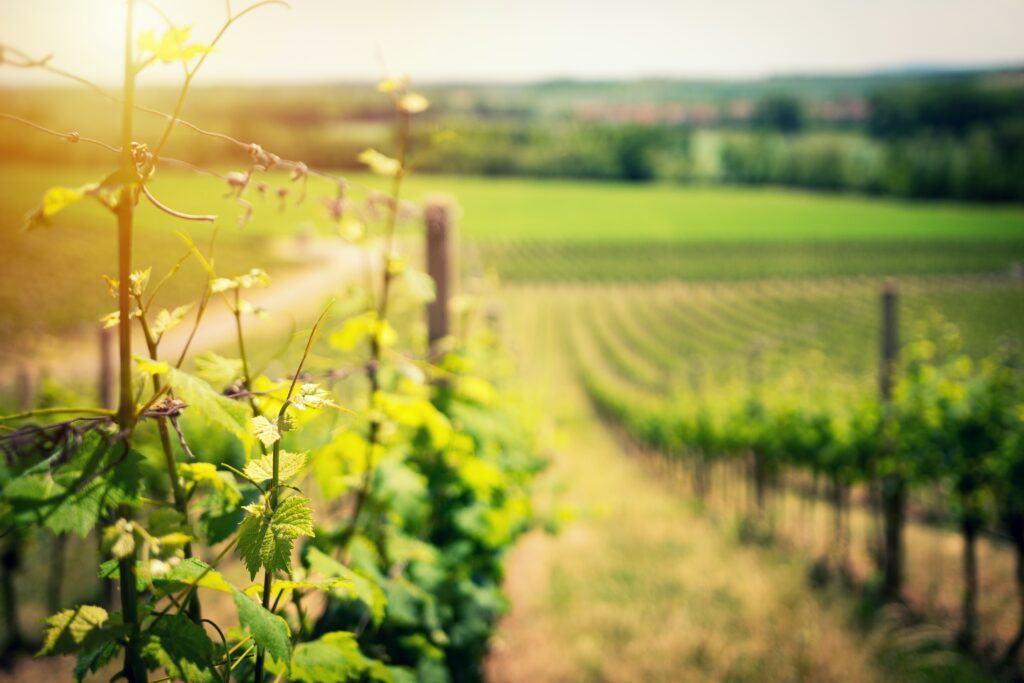
Take a moment to envision yourself surrounded by lush vineyards, basking in the warm Mediterranean sun, and indulging in sips of exquisite wine. Now, imagine this experience unfolding along the breathtaking landscapes of the Levantine Coast in Israel. Not only is this region an emerging player in the world of winemaking, but it also holds a rich historical significance. Join us as we uncover the secrets of this fascinating wine region, where tradition meets innovation and a delightful array of flavors await to be discovered.
Climate and Terroir
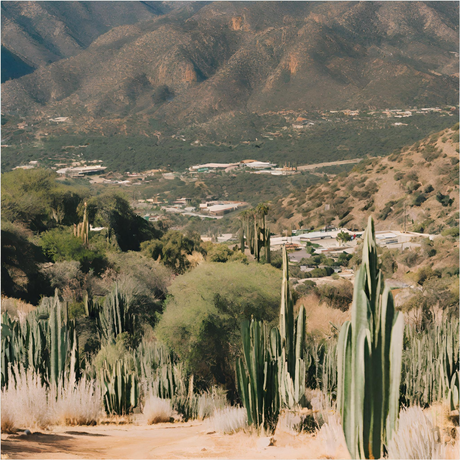
The Levantine Coast in Israel is an emerging wine region with a climate and terroir perfectly suited for viticulture. The region’s Mediterranean climate, with mild, wet winters and hot, dry summers, provides an ideal growing season for grapes. The combination of ample sunshine, cooling breezes from the Mediterranean Sea, and the rich soils of the region create a unique terroir that imparts distinct flavors to the wines produced here.
The Ancient Roots of Winemaking
Winemaking has a long history in the Levantine Coast, with ancient roots dating back thousands of years. The region has been a center of viticulture and winemaking since the time of the Canaanites and Phoenicians. Archaeological evidence shows that vines were cultivated and wines were produced here as early as the 3rd millennium BCE. The Levantine Coast’s historical significance in winemaking cannot be understated, and it continues to be a source of pride and inspiration for the modern winemakers in the region.
Renewal and Modernization
In recent decades, the winemaking industry in the Levantine Coast has experienced a remarkable renewal and modernization. With a renewed focus on quality and innovation, winemakers in the region have invested in state-of-the-art technologies and techniques to elevate the quality of their wines. This dedication to excellence has allowed them to compete on the global stage, garnering recognition and accolades from wine enthusiasts and experts alike.
Grape Varieties and Styles
The Levantine Coast is home to a diverse range of grape varieties, both native and international. Local varieties such as Carignan, Argaman, and Marawi showcase the region’s unique character and ancient winemaking traditions. International varieties like Cabernet Sauvignon, Merlot, and Chardonnay have also found success in the region, reflecting the modern influences on winemaking. The wines produced in the Levantine Coast vary in style, from elegant and complex reds to crisp and refreshing whites, offering something for every discerning palate.
Notable Wineries
There are several notable wineries in the Levantine Coast that have made a name for themselves both locally and internationally. One such winery is Domaine du Castel, known for their Bordeaux-style red blends that have gained a cult following. Another prominent winery is Golan Heights Winery, recognized for their world-class wines made from meticulously cultivated vineyards in the Golan Heights. These wineries, along with many others in the region, continue to push the boundaries of winemaking and put the Levantine Coast on the world map.
Wine Tourism and Experiences
The Levantine Coast has become a popular destination for wine tourism, attracting visitors from around the globe. Vineyard Voyages Travel offers wine-centric journeys that allow enthusiasts to explore picturesque vineyards, savor fine wines, and immerse themselves in the world of viticulture and oenology. Visitors can enjoy guided tours of wineries, participate in wine tastings, and even try their hand at grape picking during harvest season. The wine tourism industry has contributed significantly to the region’s economy while also fostering a deeper appreciation for the history and craftsmanship behind each bottle of wine.
Culinary Pairings and Gastronomic Culture
The Levantine Coast’s wine culture is intricately connected to its rich culinary traditions. The region boasts a vibrant gastronomic culture that complements the local wines perfectly. Traditional Middle Eastern dishes such as mezze, lamb kebabs, and falafel pair wonderfully with the bold reds and aromatic whites produced here. Furthermore, the region’s proximity to the Mediterranean Sea allows for a variety of fresh seafood options, which pair excellently with the crisp, mineral-driven white wines. Exploring the local cuisine and discovering the perfect wine and food pairings is an integral part of the Levantine Coast wine experience.
Export and Recognition
The wines of the Levantine Coast have gained recognition and acclaim on the international stage. Winemakers in the region have successfully exported their wines to markets around the world, showcasing the quality and uniqueness of their products. These exports have not only contributed to the economic growth of the region but have also brought recognition to the Levantine Coast as a serious player in the global wine industry. The international recognition and awards bestowed upon the wines from this region are a testament to the skill and dedication of the winemakers.
Challenges and Future Prospects
While the wine industry in the Levantine Coast has seen great progress in recent years, there are still challenges to be faced. The region’s political instability and geopolitical tensions can sometimes disrupt the operations of wineries and hinder the export of their wines. However, despite these obstacles, the future prospects for the wine industry in the Levantine Coast remain promising. The growing interest in Israeli wines, combined with the region’s commitment to quality and innovation, sets the stage for continued success and growth in the coming years.
Preserving History and Tradition
In the face of modernization and globalization, the winemakers of the Levantine Coast remain deeply committed to preserving their history and traditions. They understand the importance of their ancient winemaking heritage and strive to honor it in every bottle they produce. Techniques passed down through generations and a respect for the land and its terroir are at the heart of their winemaking philosophy. By preserving their past, they ensure that the wines of the Levantine Coast continue to embody the unique character and spirit of the region for generations to come.