Page Navigation
Get ready to immerse yourself in a kaleidoscope of colors and join in the joyful celebration of Holi, India’s festival of colors. This vibrant and lively festival is a time where people come together to mark the arrival of spring, celebrate love and friendship, and let loose with colorful powder throwing. The streets come alive with laughter, music, and a sense of unity as revelers young and old, locals and tourists alike, dance, sing, and indulge in the joyous chaos of Holi. So, grab your white clothes and join in the fun as you experience the magic and excitement of this truly unique cultural celebration.
History of Holi
Origins of Holi
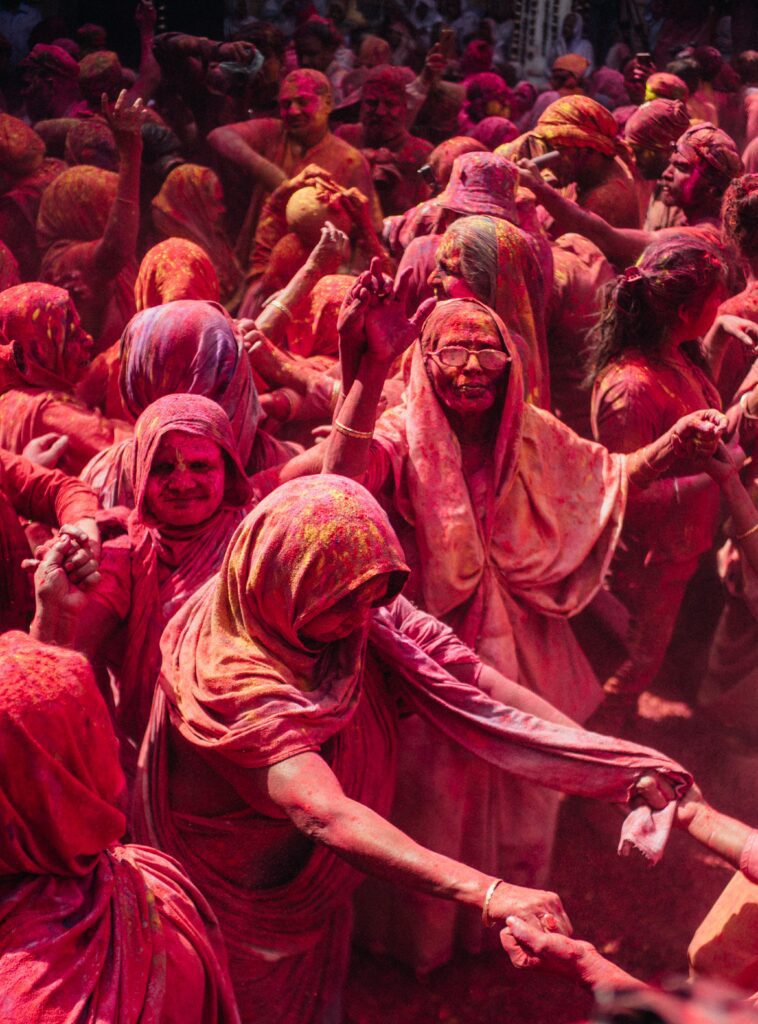
Holi, also known as the Festival of Colors, has a rich history that dates back centuries. Its origins can be traced back to ancient Hindu texts and mythology. One of the most popular legends associated with Holi is the story of Lord Krishna and Radha. According to the legend, young Krishna, with his dark complexion, was worried that Radha, who had fair skin, would not accept him. His mother, Yashoda, playfully suggested that he could color Radha’s face with vibrant powders to make her look like him. Thus, the tradition of color throwing during Holi is said to symbolize Krishna’s love and playfulness.
Significance of Holi in Indian culture
Holi holds immense cultural significance in India. It is celebrated as a way to welcome the arrival of spring and bid farewell to winter. The festival signifies the victory of good over evil, as it is believed to commemorate the destruction of the demoness Holika by the devotee Prahlada. Holi also celebrates the love and unity among people, bridging social barriers and spreading joy and happiness. It is a time for forgiveness and reconciliation, as people come together to forget past grievances and start afresh.
Mythological stories associated with Holi
Apart from the legend of Krishna and Radha, there are several other mythological stories associated with Holi. One such story revolves around Lord Shiva and his devotee Kamadeva. According to the myth, Kamadeva, the god of love, was sent by the gods to awaken Lord Shiva from his deep meditation. Kamadeva shot his love arrow at Lord Shiva, but it angered him and he opened his third eye, reducing Kamadeva to ashes. Holi is believed to commemorate the sacrifice of Kamadeva and his rebirth through the power of love.
Date and Duration of Holi
The timing of Holi
Holi is based on the lunar calendar and falls on the full moon day in the Hindu month of Phalguna, which usually corresponds to February or March in the Gregorian calendar. The festival typically starts on the evening of the full moon day with a bonfire known as Holika Dahan, followed by a day of colorful celebrations.
Duration of the festival
While Holi is primarily celebrated over two days, the festivities can vary in duration depending on the region and community. In some parts of India, the celebrations may last up to a week, with each day having its own significance and traditions. However, the main day of playing with colors and water usually takes place on the second day of Holi.
Regional variations in Holi dates
In different regions of India, the exact dates of Holi may vary slightly. For example, in the Braj region of Uttar Pradesh, the birthplace of Lord Krishna, Holi is celebrated for a longer period, with special rituals and events. Similarly, in parts of South India, Holi is celebrated as a spring festival called “Vasanta Utsav” and may be observed on different dates.
Preparations for Holi
Cleaning and decorating houses
One of the important preparations for Holi is the cleaning and decorating of houses. Families start by decluttering and tidying up their homes. It is believed that a clean and organized space invites positive energy and good fortune. Colorful rangolis (artistic designs made with colored powders) are drawn at the entrances of houses to welcome guests and create a festive ambiance.
Shopping for new clothes
Holi is a time for new beginnings, and it is customary for people to buy new clothes for the festival. Vibrant and colorful outfits are preferred, symbolizing the spirit of Holi. Families visit local markets and shops to choose their attire and accessories, creating a buzz of excitement in the air.
Gathering colorful powders and water guns
A major highlight of Holi is the playful throwing of colorful powders, known as “gulal,” and spraying water on each other. People prepare for this by purchasing or making their own vibrant powders. These powders come in a variety of colors and are non-toxic and eco-friendly. Water guns, known as “pichkaris,” are also popular, adding to the fun and frolic of the celebrations.
Making traditional sweets and snacks
Food plays a significant role in any Indian festival, and Holi is no exception. Families get together to prepare traditional sweets and snacks to share with friends and relatives. One of the most popular sweet treats made during Holi is “gujiya,” a sweet dumpling filled with khoya (reduced milk), nuts, and cardamom. Savory snacks like “mathri” and “papdi” are also prepared to complement the festive mood.
Holika Dahan: Bonfire Night
Significance of Holika Dahan
Holika Dahan, also known as Chhoti Holi or Little Holi, marks the beginning of the Holi festivities. It involves the lighting of a bonfire on the evening before Holi. The bonfire symbolizes the victory of good over evil and the triumph of light over darkness. It is believed to represent the burning of the demoness Holika, who was destroyed by the powers of devotion and faith.
Rituals and customs during Holika Dahan
Families and communities come together to build a bonfire using firewood, twigs, and dried leaves. The bonfire is decorated with flowers and offerings before being lit. People gather around the bonfire, singing prayers and performing rituals. They also throw coconuts, popcorn, and other symbolic items into the fire to ward off evil spirits and bring prosperity.
Story of Prahlada and Holika
The legend of Prahlada and Holika is associated with Holika Dahan. According to the myth, Prahlada was a devotee of Lord Vishnu, but his father, the demon king Hiranyakashipu, wanted him to worship him instead. Prahlada’s defiance angered Hiranyakashipu, who decided to kill him. Holika, the demoness and sister of Hiranyakashipu, had a magical shawl that made her immune to fire. She sat on a pyre with Prahlada, intending to burn him. However, due to Prahlada’s unwavering devotion, he was unharmed, while Holika perished in the flames. This story is seen as a reminder of the triumph of good over evil and the importance of faith.
Playing with Colors
Morning celebrations
The main day of Holi begins with enthusiasm and excitement. People wake up early and prepare themselves for a day filled with color and joy. It is customary to wear white clothes on this day, as it helps enhance the visibility of the vibrant colors.
Throwing vibrant powders on each other
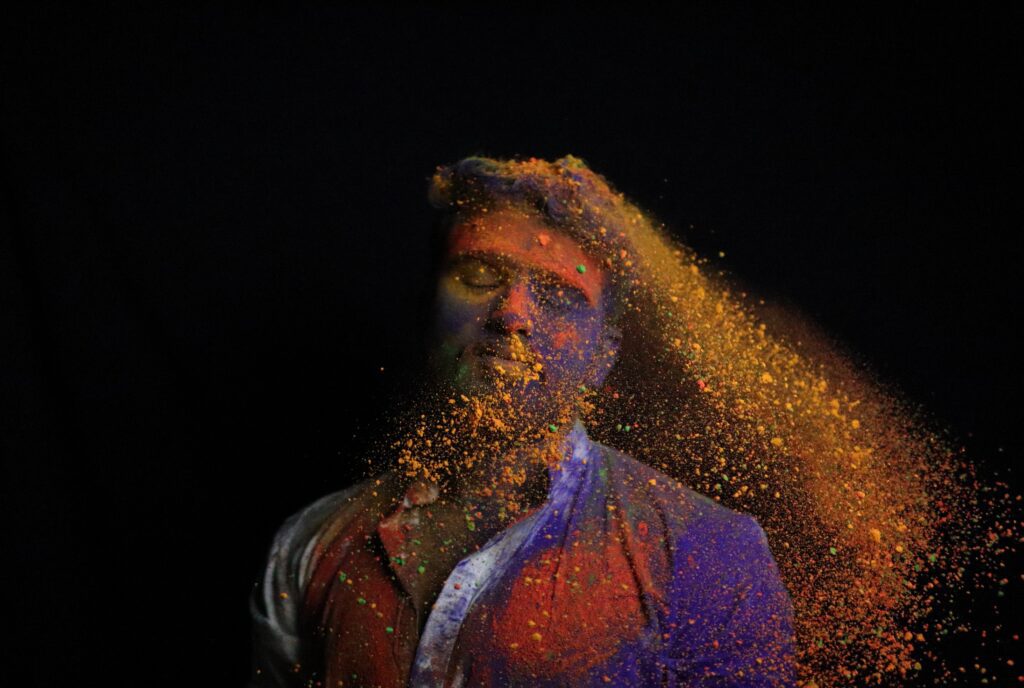
Once the festivities kick off, people start throwing colors on each other, smearing their faces and bodies with gulal. A sense of camaraderie and mischief fills the air as friends, family, and even strangers come together to join in the fun. The vibrant hues of the powders create a beautiful spectacle and evoke a feeling of unity and celebration.
Water balloons and water guns
In addition to colored powders, water takes center stage during Holi. Water guns and water balloons are used to playfully drench each other, bringing a refreshing twist to the celebrations, especially during the warm spring weather. The giggles and laughter that echo through the streets add to the festive atmosphere.
Singing and dancing
Holi is not just about colors and water; it is also a time for music and dance. Traditional Holi songs, known as “Holi ke geet,” are sung and played throughout the day. People gather in groups, dance to the lively beats, and sing along, spreading cheer and high spirits. The infectious energy of the celebrations uplifts the mood and creates lasting memories.
Traditional Holi Food and Drinks
Gujiya: The sweet dumplings
No Holi celebration is complete without indulging in the delicious sweet treat called gujiya. These crescent-shaped dumplings are stuffed with a mixture of khoya, grated coconut, nuts, and flavored with cardamom. Deep-fried to golden perfection and dipped in a sugar syrup, gujiyas are a traditional Holi delicacy that delights the taste buds.
Bhang: The intoxicating drink
Bhang, a traditional Indian drink made from the leaves and buds of the cannabis plant, holds a special place in Holi celebrations. It is prepared by grinding the cannabis leaves into a paste and combining it with milk, spices, and sugar. Bhang is consumed in moderation during Holi, adding to the festivities with its intoxicating effects.
Thandai: The refreshing milk-based beverage
Thandai is a popular Holi beverage that provides a refreshing respite during the lively celebrations. It is made by blending a mixture of soaked almonds, pistachios, cashews, melon seeds, and saffron with milk, sugar, and aromatic spices. Thandai is often served chilled and is known for its soothing and rejuvenating properties.
Traditional savory snacks
In addition to the sweet treats, Holi is also a time for enjoying savory snacks. Mathri, a crispy and savory biscuit-like snack, and papdi, a thin and crispy fried dough, are popular choices. These snacks are commonly enjoyed with chutneys and dips, adding a savory dimension to the festive spread.
Importance of Colors in Holi
Symbolism of colors in Holi
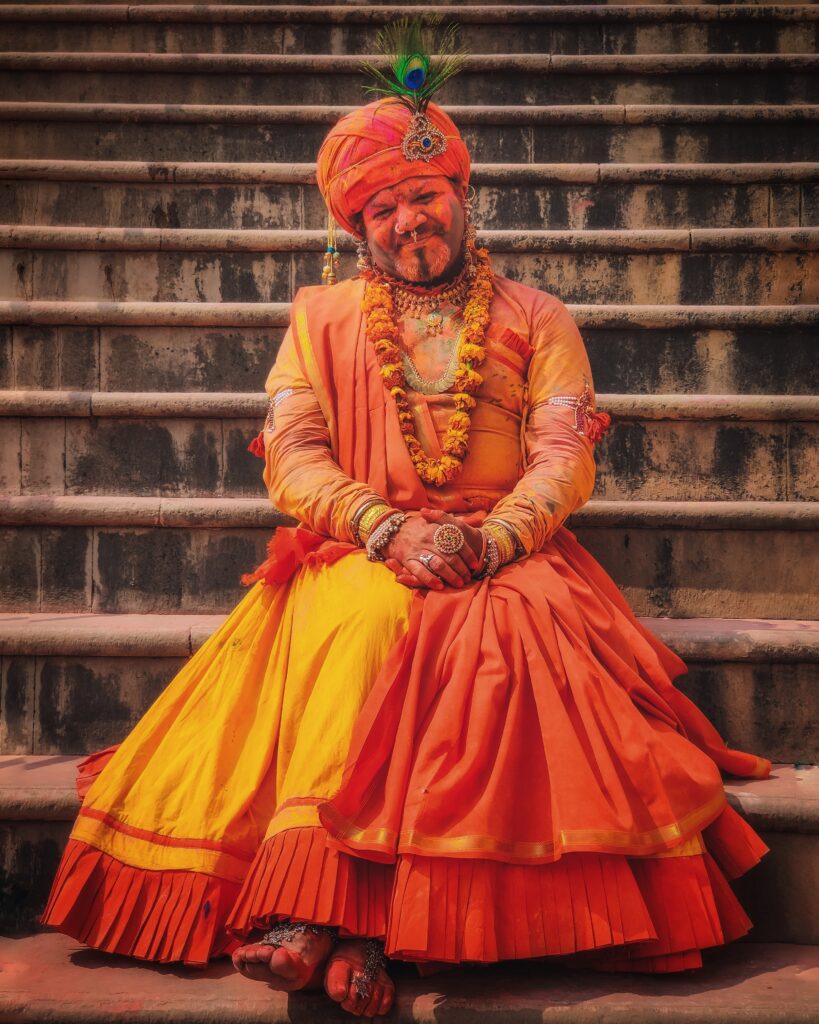
Colors play a significant role in Holi and carry deep symbolic meaning. Each color represents a different emotion and aspect of life. The vibrant hues are believed to reflect the essence of nature and the beauty of diversity. Red signifies love and fertility, yellow represents happiness and auspiciousness, blue symbolizes the divine and the infinite, and green represents new beginnings and growth. The colorful celebration of Holi is a way of embracing these emotions and expressing joy.
Breaking barriers and spreading happiness
Holi is a festival that transcends social and cultural barriers. During this time, people come together, regardless of their backgrounds, to celebrate in unity and harmony. The throwing of colors on one another symbolizes the breaking down of societal norms and hierarchies, allowing people to connect on an equal and joyous level. Holi brings a sense of liberation and fosters a spirit of inclusiveness and happiness.
Cultural and social significance
Holi holds great cultural and social significance in India. It is a festival that promotes social cohesion and strengthens community bonds. It provides an opportunity for people to put aside their differences and celebrate together. Holi also showcases the cultural richness and diversity of India, with each region adding its own unique traditions and customs to the festivities. The festival serves as a platform for cultural exchange and understanding, highlighting the multicultural fabric of the country.
Safety Measures during Holi
8.1 Protecting skin and eyes
While Holi is a time for revelry, it is essential to take precautions to ensure the safety and well-being of everyone involved. People are advised to apply a layer of oil or moisturizer on their skin before playing with colors. This helps prevent the colors from sticking and causing skin irritations. Wearing protective eyewear, such as sunglasses or goggles, is also recommended to shield the eyes from powders and water.
Using natural and eco-friendly colors
To promote a safe and eco-friendly celebration, it is advisable to use natural and organic colors during Holi. These colors are made from plant-based ingredients and do not contain harmful chemicals that can cause skin allergies or environmental damage. By using eco-friendly colors, we can ensure that the festivities do not harm the environment or our health.
Staying hydrated
As Holi is often celebrated during the onset of spring, the weather can be warm and sunny. It is crucial to stay hydrated throughout the day by drinking plenty of water and fluids. Dehydration can occur due to physical activity and prolonged exposure to the sun during the celebrations. Keeping water bottles handy and consuming hydrating foods like fruits and juices can help maintain optimal hydration levels.
Famous Holi Celebrations in India
Mathura and Vrindavan Holi
Mathura and Vrindavan, the birthplace and childhood home of Lord Krishna, are renowned for their grand Holi festivities. The celebrations extend over several days, with locals and tourists alike flocking to these cities to witness the vibrant and spirited revelry. The temples and streets are adorned with decorations, and the air is filled with the sounds of chants, music, and laughter.
Lathmar Holi in Barsana
The town of Barsana, near Mathura, is famous for its unique Lathmar Holi celebrations. In this tradition, women playfully beat men with sticks (known as “lathis”) as they try to protect themselves with shields. The reenactment of Radha’s playfully aggressive behavior towards Krishna adds a touch of fun and excitement, attracting visitors from around the world.
Hola Mohalla in Punjab
Hola Mohalla is a grand and energetic celebration of Holi that takes place in Punjab. It is observed by the Sikh community and involves various awe-inspiring displays of martial arts, horse-riding, and other physical feats. The festival showcases the spirit of valor and bravery, alongside the festive traditions of Holi, creating a unique blend of cultural heritage and merriment.
Shantiniketan Basanta Utsav in West Bengal
Shantiniketan, the abode of Nobel laureate Rabindranath Tagore, hosts the colorful Basanta Utsav to commemorate Holi. It is a vibrant and artistic celebration where students from Visva-Bharati University don traditional attire and perform cultural programs, including dance, music, and poetry recitations. The atmosphere is filled with creativity, and the festive ambiance is a testament to Tagore’s vision of unity and cultural harmony.
Holi Beyond India
Holi celebrations in different countries
The joyous spirit of Holi has transcended borders and has gained popularity in various parts of the world. In countries like Nepal, Bangladesh, and Pakistan, Holi is celebrated with similar enthusiasm and fervor. Indian diaspora communities in countries like the United States, the United Kingdom, Canada, and Australia also organize Holi festivals, bringing a taste of the vibrant Indian culture to their adopted homelands.
The influence of Holi in popular culture
Holi’s influence extends beyond traditional celebrations. The festival has inspired artists, filmmakers, and musicians from across the globe. It has been featured in Bollywood movies, as well as music videos and cultural performances worldwide. Holi’s vibrant colors and joyful spirit have become iconic symbols of Indian culture and continue to captivate audiences around the world.
In conclusion, Holi is a unique and lively festival that represents the joy of spring, the triumph of good over evil, and the celebration of love and unity. The colorful traditions, mythological stories, and mouth-watering delicacies associated with Holi make it an unforgettable experience. As you immerse yourself in the festivities, remember to embrace the spirit of Holi, spread happiness, and revel in the vibrant colors that bring people together in a kaleidoscope of joy. Happy Holi!