Page Navigation
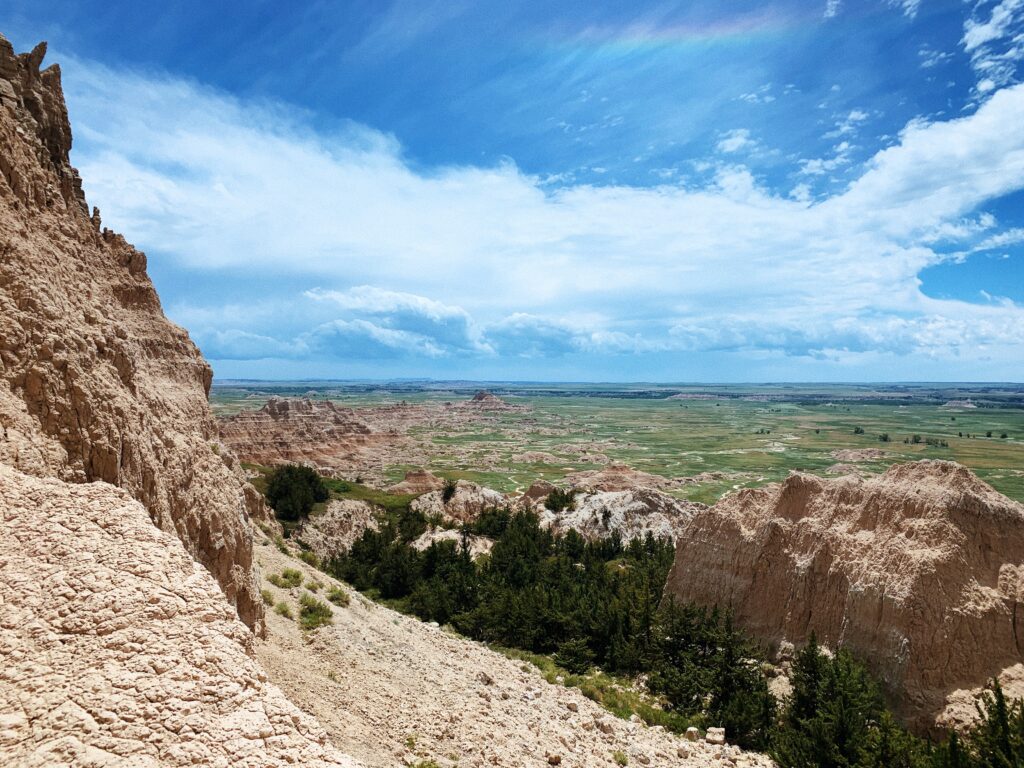
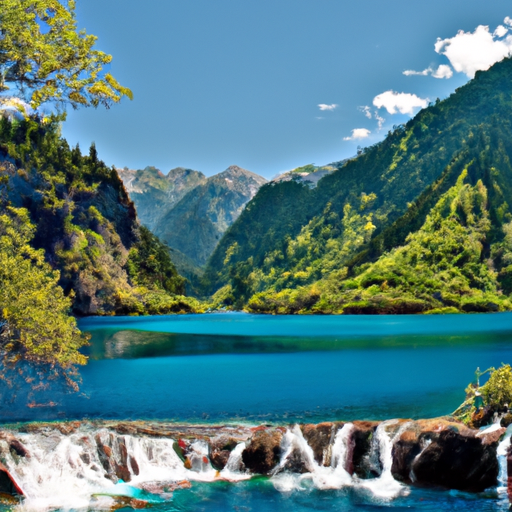
Immerse yourself in the awe-inspiring natural beauty of Torres Del Paine National Park in Chile, where the rugged Patagonian landscapes showcase magnificent jagged peaks. This pristine sanctuary beckons to be explored, offering breathtaking views that will undoubtedly leave you in wonder. From the towering mountains to the serene beaches, this remarkable region radiates an undeniable charm. As you venture through its forests and meander along its trails, the untouched beauty of this national park will captivate your senses, leaving an indelible mark on your soul. Embark on a journey of discovery and be prepared to be enchanted by the majestic allure of Torres Del Paine National Park.
Introduction to Torres Del Paine National Park
Location and Overview
Located in the southern region of Chile, Torres Del Paine National Park is a stunning natural wonder that attracts visitors from all over the world. Spanning over 181,000 hectares, the park is renowned for its iconic granite peaks, turquoise lakes, pristine glaciers, and diverse flora and fauna. It is a haven for outdoor enthusiasts and nature lovers, offering a range of activities such as hiking, wildlife spotting, and scenic photography.
Why Visit Torres Del Paine National Park?
Torres Del Paine National Park offers a unique opportunity to immerse yourself in the unparalleled beauty of Patagonian landscapes. The park is a UNESCO Biosphere Reserve, recognized for its exceptional biodiversity and ecological significance. From awe-inspiring mountains like the iconic Towers of Paine to the majestic Grey Glacier, the park showcases nature at its most breathtaking. Whether you seek adventure, tranquility, or simply a chance to reconnect with nature, Torres Del Paine National Park promises an unforgettable experience.
A World Biosphere Reserve
In 1978, Torres Del Paine National Park was designated as a UNESCO Biosphere Reserve, highlighting its importance as a protected area for conserving biodiversity and promoting sustainable development. The park encompasses a diverse range of ecosystems, including forests, lakes, glaciers, and grasslands, which provide habitats for many unique species. This recognition underscores the park’s commitment to preserving its natural heritage for generations to come.
Natural Wonders of the Park
Torres Del Paine National Park boasts an array of natural wonders that make it a must-visit destination. The park is home to impressive granite peaks that dominate the skyline, including the iconic Towers of Paine, which reach heights of over 2,800 meters. Glaciers such as Grey Glacier and Glacier Dickson captivate visitors with their impressive size and serenity. The park is also punctuated by stunning turquoise lakes, including Lake Pehoé, Lake Nordenskjöld, and Lake Sarmiento. In addition, the park is rich in diverse flora and fauna, with rare species such as the endangered huemul deer and the elusive puma calling it home.
Getting to Torres Del Paine National Park
Flights to Puerto Natales
The closest airport to Torres Del Paine National Park is Presidente Carlos Ibáñez del Campo International Airport (PUQ) in Punta Arenas, Chile. From here, travelers can take a domestic flight to Teniente Julio Gallardo Airport (PNT) in Puerto Natales, which is the gateway to the park. Several airlines operate regular flights to Puerto Natales, making it easily accessible for both domestic and international visitors.
Bus Transfers to the Park Entrance
Upon arrival at Puerto Natales, visitors can take a comfortable bus transfer to the park entrance. The journey typically takes around two and a half hours, offering scenic views of the Patagonian landscape along the way. Buses are equipped with modern amenities and provide a convenient and affordable option for reaching the park.
Private Transportation Options
For those who prefer a more personalized experience, private transportation options are available. Private transfers can be arranged from Punta Arenas or Puerto Natales directly to the park entrance. This allows for greater flexibility in terms of departure times and the ability to explore the surrounding areas at your own pace. Private transfers are ideal for families or groups traveling together, offering comfort, convenience, and the opportunity to customize the itinerary.
Accommodation Options in Torres Del Paine
Refugios and Campsites
For adventurous travelers who wish to immerse themselves in the pristine nature of the park, refugios and campsites offer a unique accommodation experience. Refugios are mountain lodges scattered throughout the park, providing basic facilities such as beds, bathrooms, and communal dining areas. Campsites, on the other hand, allow visitors to set up their tents amidst the stunning Patagonian scenery. Staying in refugios or campsites allows for a closer connection with nature and the opportunity to meet fellow hikers and outdoor enthusiasts.
Luxury Lodges and Eco Retreats
For those seeking a more luxurious and comfortable stay, Torres Del Paine National Park offers a range of upscale lodges and eco retreats. These accommodations blend seamlessly with the natural environment while providing top-notch amenities and services. From cozy lodges with panoramic views of the mountains to elegant eco retreats nestled in the wilderness, these options offer a perfect blend of comfort and immersion in nature.
Booking in Advance
Regardless of the type of accommodation you choose, it is essential to book in advance, especially during the peak season from November to March. The popularity of Torres Del Paine National Park means that accommodations fill up quickly, and availability may be limited if not booked well in advance. Planning ahead ensures that you secure your preferred option and allows for a smoother and more enjoyable trip.
The Famous W Trek
Overview of the W Trek
The W Trek is one of the most popular hiking routes in Torres Del Paine National Park, named after the W-shaped path it follows. This multi-day trek takes hikers through some of the park’s most iconic sights, including the Base Torres viewpoint, French Valley, and Grey Glacier. The route showcases the park’s stunning landscapes, offering panoramic views of towering peaks, vibrant glaciers, and crystal-clear lakes. The W Trek can be completed in four to five days, depending on the pace and itinerary chosen.
Best Time to Hike the W Trek
The best time to hike the W Trek is during the Patagonian summer, which lasts from November to March. During this time, the weather is generally more predictable, with milder temperatures and longer daylight hours. However, it is important to be prepared for rapid weather changes and potentially challenging conditions even during the summer months. It is advisable to check weather forecasts and trail conditions before embarking on the trek.
Tips for Hiking the W Trek
Hiking the W Trek requires proper planning and preparation to ensure a safe and enjoyable experience. Here are some essential tips to keep in mind:
- Carry sufficient water and food supplies, as there are limited options along the trail.
- Wear sturdy and comfortable hiking boots to navigate the rugged terrain.
- Pack appropriate clothing layers to accommodate changing weather conditions.
- Bring essential hiking gear, including a map, compass, and first aid kit.
- Respect the park’s rules and regulations, including designated camping areas and waste disposal.
Following these tips will help you make the most of your W Trek adventure while ensuring your safety and minimizing your impact on the environment.
Alternative Hiking Routes
The O Circuit
For hikers seeking a more challenging and immersive experience, the O Circuit is a fantastic alternative to the W Trek. The O Circuit is a longer and more demanding route that encompasses the entire perimeter of Torres Del Paine National Park. This spectacular trail takes around eight to ten days to complete and offers hikers the opportunity to explore lesser-known areas of the park, including the stunning backside of the Towers of Paine and the remote Dickson and Paine Grande sectors.
Day Hikes in Torres Del Paine
If you prefer shorter hikes or have limited time, Torres Del Paine National Park offers a range of day hikes that showcase its natural beauty. From the Mirador Cuernos Trail, which offers breathtaking views of the Cuernos del Paine, to the Salto Grande Trail, which leads to a magnificent waterfall, these day hikes provide a taste of the park’s wonders. Day hikes allow you to customize your experience based on your fitness level and time constraints while still enjoying the stunning landscapes that Torres Del Paine has to offer.
Off the Beaten Path Trails
For the intrepid adventurer, Torres Del Paine National Park has several off the beaten path trails that offer a more secluded and immersive experience. These trails venture away from the crowds and take you to remote corners of the park, where you can truly connect with nature. From the Ferrier Pass Trail, which takes you through pristine forests and glacial valleys, to the Bader Valley Trail, which leads to hidden lagoons and stunning viewpoints, these lesser-known trails offer a unique perspective of the park and are ideal for those seeking solitude and tranquility.
Wildlife and Bird Watching
Puma Spotting in Torres Del Paine
One of the highlights of visiting Torres Del Paine National Park is the opportunity to spot the elusive puma. The park is home to a significant population of these majestic big cats, and sightings can be awe-inspiring. While pumas are naturally elusive and sightings cannot be guaranteed, certain areas of the park, such as the French Valley and the Laguna Azul sector, have higher chances of encountering these magnificent creatures. Engaging the services of experienced wildlife guides can greatly enhance your chances of spotting a puma while ensuring minimal disturbance to their natural behavior.
Bird Species in the Park
Torres Del Paine National Park also boasts a rich variety of bird species, making it a paradise for birdwatchers. Over 100 bird species have been recorded in the park, including the Andean condor, black-necked swan, and Magellanic woodpecker. The park’s diverse ecosystems, ranging from grasslands to wetlands, provide habitats for both resident and migratory birds. Birdwatching enthusiasts can explore the park’s trails and lookout points to admire these beautiful feathered creatures in their natural habitats.
Best Wildlife Viewing Areas
To maximize your wildlife viewing opportunities, there are certain areas within Torres Del Paine National Park that are known for their abundance of wildlife. The Laguna Amarga sector is renowned for its population of guanacos, a wild relative of the llama. The Grey Glacier sector is frequented by a variety of bird species and has a high chance of puma encounters. The Nordenskjöld Lake sector is home to a vibrant bird population, including flamingos and geese. Exploring these regions with a knowledgeable guide will enhance your wildlife viewing experience and provide valuable insights into the park’s ecosystem.
Scenic Photography Opportunities
Capturing the Towering Peaks and Glaciers
Torres Del Paine National Park offers endless opportunities for capturing stunning photographs of its iconic peaks and glaciers. From the towering granite spires of the Towers of Paine to the serenity of Grey Glacier, the park’s landscapes are a photographer’s dream. To capture these scenes effectively, consider using wide-angle lenses to encompass the vastness of the landscape and telephoto lenses to zoom in on details. Experiment with different lighting conditions, such as sunrise and sunset, to add depth and drama to your photographs.
Landscape Photography Tips
When photographing the landscapes of Torres Del Paine National Park, there are a few key tips to keep in mind:
- Use a tripod for stability and to capture sharp images, especially in low light conditions.
- Experiment with different compositions and perspectives to create unique and compelling photographs.
- Pay attention to the foreground, middle ground, and background to create depth and visual interest in your images.
- Consider the weather and lighting conditions to create different moods and atmospheres in your photographs.
- Avoid disrupting the natural environment while taking photographs, and adhere to the park’s guidelines regarding photography.
By following these tips, you can capture the grandeur and beauty of the park’s landscapes in your photographs and create lasting memories of your visit.
Best Photo Spots in the Park
There are several prime photography spots in Torres Del Paine National Park that are known for their extraordinary beauty. The Mirador Las Torres viewpoint offers an iconic perspective of the Towers of Paine, especially during sunrise when the soft golden light bathes the granite peaks. Lake Pehoé provides a picturesque setting with its turquoise waters and surrounding mountains, offering ample opportunities for capturing reflections and dramatic panoramas. The Grey Glacier viewpoint allows you to capture the ethereal blue hues of the glacier against a backdrop of rugged mountains. Exploring these photo spots will reward you with breathtaking vistas and unforgettable photographic opportunities.
Outdoor Activities in Torres Del Paine
Kayaking and Canoeing
Exploring Torres Del Paine National Park by kayak or canoe offers a unique and immersive experience. Paddling through the park’s pristine lakes allows you to get up close to glaciers, fjords, and remote corners that are inaccessible on foot. Whether you choose a guided excursion or prefer to venture out on your own, kayaking or canoeing provides a tranquil and eco-friendly way to discover the park’s natural wonders. Keep in mind that prior experience or a guided tour is recommended due to the challenging weather conditions and the need for proper equipment and safety precautions.
Horseback Riding Adventures
For a truly unforgettable experience in Torres Del Paine National Park, horseback riding adventures are highly recommended. Riding through the park’s vast landscapes on horseback allows you to cover more ground while enjoying the freedom and exhilaration of this traditional mode of transportation. Whether you are a seasoned rider or a beginner, guided horseback riding tours cater to various skill levels and offer a unique perspective of the park. Ride alongside crystal-clear lakes, traverse open grasslands, and soak in the breathtaking scenery as you embark on a memorable equine adventure.
Rock Climbing and Mountaineering
Torres Del Paine National Park is a paradise for rock climbers and mountaineers, with its rugged granite peaks and challenging terrain. The park offers a range of climbing routes suitable for both beginners and experienced climbers, including the legendary Towers of Paine. Embarking on a rock climbing or mountaineering expedition allows you to push your physical limits while immersing yourself in the raw beauty of the park. It is essential to have the necessary skills, experience, and equipment, and it is advisable to hire professional guides for safety and guidance.
Weather and Clothing Tips
Climate in Torres Del Paine
Torres Del Paine National Park experiences a temperate climate, characterized by unpredictable weather patterns and strong winds. Summers from December to February are generally milder, with average temperatures ranging from 10 to 20 degrees Celsius (50 to 68 degrees Fahrenheit). However, it is crucial to be prepared for rapid weather changes, including strong winds, rain, and even snow at higher elevations. Layered clothing is essential to adapt to changing temperatures throughout the day.
Essential Clothing and Equipment
When visiting Torres Del Paine National Park, it is vital to pack the appropriate clothing and equipment to ensure your comfort and safety. Some essential items to consider include:
- Waterproof and windproof outer shell layers to protect against rain and strong winds.
- Moisture-wicking base layers to regulate body temperature and keep you dry.
- Insulating layers such as fleeces or down jackets to provide warmth during colder periods.
- Sturdy and comfortable hiking boots with good ankle support.
- Hats, gloves, and scarves to protect against the elements.
- Camping equipment if planning to stay in refugios or campsites.
It is also essential to bring a backpack with ample storage space for water, food, and any additional gear you may require during your outdoor activities.
Weather-Related Safety Precautions
Given the unpredictable weather conditions in Torres Del Paine National Park, it is crucial to take appropriate safety precautions. Some key measures to consider include:
- Stay informed about weather forecasts and trail conditions before embarking on hikes or other outdoor activities.
- Dress in layers to adapt to changing temperatures and be prepared for sudden weather changes.
- Stay hydrated and carry sufficient water, especially during long hikes.
- Protect yourself from the sun by wearing sunscreen, sunglasses, and a hat.
- Avoid hiking alone and inform others about your planned itinerary.
- Follow park regulations, including trail closures during adverse weather conditions.
By prioritizing safety and being prepared for varying weather conditions, you can fully enjoy your time in Torres Del Paine National Park while minimizing risks.
Responsible Travel and Conservation
Leave No Trace Principles
Responsible travel is essential to preserve the natural beauty and fragile ecosystems of Torres Del Paine National Park. Adhering to the principles of Leave No Trace ensures minimal impact on the environment. Some key principles to follow include:
- Pack out all waste and dispose of it properly.
- Respect wildlife by observing from a distance and not feeding or disturbing them.
- Stay on designated trails to protect fragile vegetation and minimize erosion.
- Use designated cooking and camping areas to minimize impact on the environment.
- Minimize noise and disturbances to ensure a peaceful and undisturbed experience for all visitors.
By practicing Leave No Trace principles, you contribute to the long-term sustainability and preservation of Torres Del Paine National Park.
Protecting Wildlife and Vegetation
Torres Del Paine National Park is home to diverse flora and fauna, and it is crucial to protect these natural resources. Visitors should refrain from picking flowers, damaging vegetation, or disturbing wildlife. Additionally, respecting nesting areas, avoiding feeding animals, and using binoculars instead of approaching them directly are essential for the well-being and conservation of the park’s wildlife.
Supporting Local Communities
When visiting Torres Del Paine National Park, consider supporting local communities by staying in locally owned accommodations, eating at local restaurants, and purchasing souvenirs or handicrafts made by local artisans. This helps to stimulate the local economy and ensures that the benefits of tourism trickle down to the surrounding communities. Engaging with local guides and learning about the rich cultural heritage of the area further enhances the authenticity of your experience and fosters a deeper connection with the region.
In conclusion, a visit to Torres Del Paine National Park promises an unforgettable adventure in one of the world’s most breathtaking natural landscapes. From its awe-inspiring granite peaks to its pristine glaciers and diverse wildlife, the park offers a wide range of activities and opportunities for exploration. Whether you embark on the famous W Trek, venture off the beaten path, or simply indulge in wildlife watching and outdoor photography, Torres Del Paine National Park is a haven for nature lovers and outdoor enthusiasts. By practicing responsible travel and conservation, you can contribute to the preservation of this remarkable natural treasure for generations to come.