Page Navigation
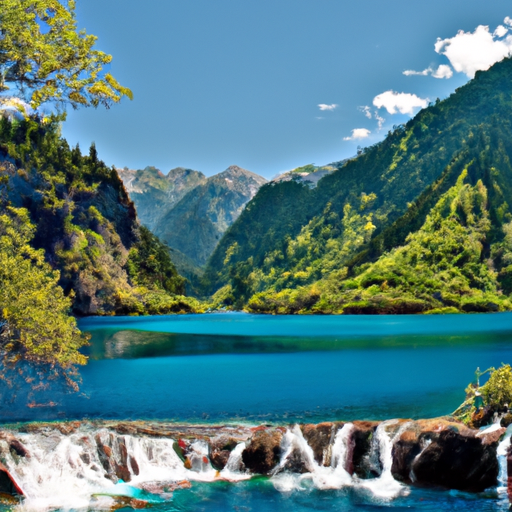
Immerse yourself in the captivating beauty of Plitvice Lakes National Park, Croatia. Nestled in a lush environment, this enchanting destination is characterized by its cascading lakes and mesmerizing waterfalls. As you wander through the park, you will be captivated by the ethereal turquoise waters, the vibrant shades of green surrounding you, and the harmony of nature’s symphony. Whether you are an adventure seeker, a nature enthusiast, or simply seeking a tranquil retreat, Plitvice Lakes is sure to leave an indelible mark on your soul.
Overview
Plitvice Lakes National Park is a breathtaking natural wonder located in Croatia. This magnificent park is renowned for its cascading lakes and waterfalls, which create a stunning spectacle in a lush and vibrant environment. As one of Croatia’s most popular tourist destinations, the park offers visitors a unique and unforgettable experience in the heart of nature.
Location
Plitvice Lakes National Park is situated in the central part of Croatia, near the border with Bosnia and Herzegovina. The park spans over an area of approximately 295 square kilometers, encompassing both lakes and dense forests. Its strategic location makes it easily accessible for visitors from various parts of the country and the surrounding region.
Size
With its vast expanse of natural beauty, Plitvice Lakes National Park is impressively large. Spanning over an area of approximately 295 square kilometers, the park offers visitors numerous opportunities to explore and immerse themselves in its stunning landscapes. The sheer size of the park allows for an extensive range of activities, ensuring there is something for everyone to enjoy.
Establishment
Plitvice Lakes National Park was established in 1949, making it one of the oldest national parks in Southeast Europe. Its establishment aimed to protect and preserve the park’s unique natural features, including its lakes, waterfalls, and diverse flora and fauna. Since then, the park has gained international recognition for its outstanding beauty and has become a cherished destination for nature lovers and adventure seekers alike.
UNESCO World Heritage Site
In acknowledgement of its exceptional natural value, Plitvice Lakes National Park was designated as a UNESCO World Heritage Site in 1979. This prestigious recognition further solidifies the park’s significance and highlights its global importance as a natural wonder. The park’s inclusion on the UNESCO list serves as a testament to its outstanding universal value and its role in the preservation of natural heritage for future generations to enjoy.
Geology and Formation
Karst Topography
The unique geology of Plitvice Lakes National Park is characterized by karst topography. This geological formation is the result of the dissolution of soluble rocks, such as limestone, over thousands of years. The gradual erosion of these rocks has created a fascinating landscape of cliffs, caves, and underground drainage systems. This karst terrain plays a crucial role in the formation and maintenance of the park’s lakes and waterfalls, making it a truly remarkable natural phenomenon.
Lake Formation
The lakes of Plitvice are the main attraction of the national park, and their formation is an ongoing geological process. The water flowing through the karst landscape gradually dissolves the limestone rocks, creating sinkholes and underground channels. As these channels become enlarged over time, the lakes are formed. The stunning colors of the lakes, ranging from mesmerizing turquoise to deep blue, are a result of the sunlight reflecting off the minerals and organisms in the water.
Water Source
The abundant water in Plitvice Lakes National Park comes from multiple sources. Rainfall and snowmelt are the primary contributors to the park’s water resources. The precipitation seeps into the karst landscape, replenishing the underground water supply and feeding the lakes and waterfalls. This natural water cycle ensures the constant flow and maintenance of the park’s captivating aquatic features, creating a dynamic and ever-changing environment.
Ongoing Evolution
Plitvice Lakes National Park is a living testament to the ongoing evolution of the Earth’s natural systems. The park’s geological and hydrological processes continue to shape and transform the landscape, making it a dynamic and ever-changing environment. The formation of new lakes, the reshaping of waterfalls, and the gradual erosion of limestone cliffs are all part of the park’s ongoing evolution, providing visitors with a unique opportunity to witness nature’s continuous transformation.
Flora and Fauna
Lush Vegetation
The lush vegetation of Plitvice Lakes National Park adds to its mesmerizing beauty. The park is home to a diverse range of plant species, including lush forests, meadows, and wetlands. The dense woodlands are dominated by beech, fir, and spruce trees, creating a serene and tranquil atmosphere. The vibrant colors of the foliage during autumn are particularly breathtaking, making it a perfect time to visit the park and admire the harmonious blend of colors in nature’s masterpiece.
Rare and Endangered Species
Plitvice Lakes National Park serves as a refuge for various rare and endangered species, making it an essential habitat for biodiversity conservation. The park is home to several endemic species, such as the Plitvice bellflower and the Degenia velebitica flower. Other endangered species, including the European brown bear and the Eurasian lynx, also find sanctuary within the park’s borders. This rich biodiversity serves as a reminder of the importance of preserving and protecting our natural heritage.
Avian Paradise
Plitvice Lakes National Park is a paradise for bird lovers and enthusiasts. The park provides a habitat for numerous bird species, both resident and migratory. Visitors have the opportunity to spot a wide range of avian species, including the golden eagle, the Eurasian eagle-owl, and the white-throated dipper. The tranquil lakes and dense forests offer the perfect setting for birdwatching and allow visitors to immerse themselves in the melodies of nature.
Underwater Life
The lakes of Plitvice are not only a visual delight but also a haven for a diverse array of underwater life. The crystal-clear waters teem with various aquatic organisms, including fish, amphibians, and invertebrates. The park’s lakes serve as a vital ecosystem for these underwater creatures, providing nourishment and a breeding ground. Visitors who choose to explore the underwater world will be fascinated by the colorful fish and the delicate dance of aquatic life beneath the water’s surface.
Lakes and Waterfalls
Upper Lakes
The Upper Lakes of Plitvice Lakes National Park are a true natural wonder. Consisting of a series of interconnected lakes, they offer visitors a breathtaking sight to behold. The tranquil, turquoise waters reflect the surrounding forested landscapes, creating a picturesque scene. Wooden walkways wind their way around the lakes, allowing visitors to get up close and personal with the beauty of the Upper Lakes and providing numerous vantage points to admire the cascading waterfalls that punctuate the landscape.
Lower Lakes
The Lower Lakes of Plitvice Lakes National Park are equally captivating. Located downstream from the Upper Lakes, they offer visitors a unique perspective on the park’s natural beauty. The Lower Lakes are characterized by their impressive waterfalls, which appear to flow seamlessly from one lake to another. The peaceful ambiance and the enchanting scenery make the Lower Lakes a must-visit destination within the park.
Great Cascade
The Great Cascade is one of the most remarkable features of Plitvice Lakes National Park. This awe-inspiring waterfall spans a height of approximately 78 meters, cascading down a series of travertine terraces. The thunderous roar of the falling water and the mist that fills the air create a truly immersive experience for visitors. The Great Cascade serves as a testament to the power and beauty of nature, leaving visitors in awe of its grandeur.
Veliki Slap
Veliki Slap, also known as the Big Waterfall, is the tallest waterfall within Plitvice Lakes National Park. Standing at an impressive height of 78 meters, it is a sight to behold. The majestic waterfall plunges into the Plitvice canyon, creating a stunning spectacle. The viewing platforms strategically placed near the waterfall offer visitors an unparalleled perspective, allowing them to witness the raw power and magnificence of Veliki Slap.
Trails and Walkways
Hiking Trails
Plitvice Lakes National Park offers a network of well-maintained hiking trails that allow visitors to explore the park’s natural wonders at their own pace. The trails cater to hikers of all levels, from leisurely strolls to more challenging hikes. Each trail offers unique views and encounters with the park’s diverse landscapes, ensuring there is something for every hiking enthusiast. The well-marked trails provide a sense of adventure and allow visitors to immerse themselves in the natural beauty of the park.
Boardwalks
Boardwalks are strategically placed throughout Plitvice Lakes National Park, providing visitors with a safe and immersive way to experience the park’s lakes and waterfalls. The wooden walkways wind their way around the lakes, offering breathtaking views and allowing visitors to get up close and personal with the cascading waterfalls. The boardwalks ensure that visitors can explore the park’s natural wonders while minimizing their impact on the delicate ecosystems of the lakes and surrounding areas.
Boat Tours
For those who wish to explore the park from a different perspective, boat tours offer a unique and captivating experience. The park’s lakes are navigable by electric boats, allowing visitors to cruise across the tranquil waters and admire the beauty of the lakes from a different vantage point. Boat tours provide a leisurely and relaxing way to explore the park, immersing visitors in the serenity and tranquility of Plitvice Lakes National Park.
Cultural and Historical Significance
Settlements
Throughout history, the area surrounding Plitvice Lakes National Park has been inhabited by various civilizations. Prehistoric settlements dating back to the Neolithic period have been discovered in the park’s vicinity, providing evidence of early human habitation. The park’s strategic location along important trade routes has made it a site of cultural exchange and interaction. Today, traditional villages and settlements within the park offer a glimpse into the region’s rich cultural heritage and provide visitors with a deeper understanding of the area’s historical significance.
Border Disputes
The region where Plitvice Lakes National Park is located has experienced its share of border disputes throughout history. Due to its strategic location, the area has been a point of contention between neighboring countries. These disputes have influenced the park’s development and management, shaping its boundaries and administrative structure. Despite the turbulent history, the area has managed to maintain its natural beauty and charm, serving as a symbol of resilience and peace.
World War II
During World War II, Plitvice Lakes National Park was the scene of significant historical events. The park served as a safe haven for both the Partisans, the Yugoslav resistance movement, and the Ustashe regime, a fascist puppet state. The park’s rugged terrain provided excellent cover for the Partisans, who used it as a base for their operations against the occupying forces. Today, Plitvice Lakes National Park stands as a reminder of the sacrifices made during wartime and serves as a symbol of peace and reconciliation.
Activities and Recreational Opportunities
Photography
Plitvice Lakes National Park provides endless opportunities for photography enthusiasts. The park’s stunning landscapes, vibrant colors, and captivating flora and fauna offer a photographer’s paradise. From the cascading waterfalls to the peacefully reflective lakes, every corner of the park is a potential masterpiece waiting to be captured. Whether you’re a professional photographer or simply enjoy snapping pictures as a hobby, Plitvice Lakes National Park will not disappoint.
Swimming
Swimming in the lakes of Plitvice Lakes National Park is not allowed due to conservation efforts and the delicate ecosystem of the lakes. However, visitors can still enjoy the refreshing and pristine waters from a distance. Numerous viewpoints and walkways provide excellent spots for relaxation and contemplation near the water’s edge. The serene beauty of the lakes combined with the soothing sound of waterfalls creates a tranquil environment that invigorates and rejuvenates the soul.
Fishing
Plitvice Lakes National Park is a paradise for fishing enthusiasts. However, fishing within the park is strictly regulated to ensure the preservation of the delicate ecosystems. Fishing permits are required, and only catch-and-release practices are allowed. The park’s lakes are home to various fish species, including trout and pike. For those who seek the thrill of catching and releasing fish in a pristine and natural environment, Plitvice Lakes National Park offers an unforgettable fishing experience.
Canoeing/Kayaking
Exploring the lakes of Plitvice by canoe or kayak provides a unique and exhilarating experience. Although swimming in the lakes is not permitted, visitors can rent canoes or kayaks and paddle along the calm and crystal-clear waters. This allows for a closer encounter with the park’s natural wonders, as well as the chance to explore hidden corners and secluded areas. Canoeing or kayaking in Plitvice Lakes National Park is an adventure that combines tranquility with a sense of exploration.
Guided Tours and Visitor Facilities
Guided Tours
Plitvice Lakes National Park offers a range of guided tours that cater to the diverse needs of visitors. These tours are led by knowledgeable and experienced guides who provide in-depth information about the park’s history, geology, flora, and fauna. Guided tours offer a structured and informative way to explore the park, ensuring that visitors make the most of their visit and gain a deeper understanding of Plitvice Lakes National Park’s natural and cultural significance.
Visitor Centers
Plitvice Lakes National Park is equipped with visitor centers that provide information, maps, and guidance to enhance visitors’ experiences. These centers serve as the starting point for exploring the park and offer valuable resources for planning your visit. Visitors can obtain park maps, learn about the park’s rules and regulations, and receive guidance on the best routes and trails to explore. The visitor centers also house exhibitions that provide additional knowledge about the park’s natural heritage.
Restaurants and Cafes
Plitvice Lakes National Park understands the importance of sustenance and offers various dining options within its premises. Restaurants and cafes located within the park provide visitors with a chance to rest and refuel amidst the breathtaking scenery. These establishments offer a range of culinary delights, from traditional Croatian cuisine to international dishes, ensuring that visitors’ taste buds are satisfied as they soak in the park’s natural beauty.
Accommodation
For those who wish to immerse themselves fully in the park’s serene environment, Plitvice Lakes National Park offers a range of accommodation options. From cozy guesthouses to luxurious hotels, visitors can choose from a variety of lodging options that suit their preferences and budget. Accommodation within the park allows visitors to experience the tranquility of Plitvice Lakes National Park throughout their stay, offering the opportunity to witness the park’s enchanting landscapes at different times of the day.
Conservation and Environmental Sustainability
Protected Area
Plitvice Lakes National Park is designated as a protected area, ensuring the preservation of its unique and fragile ecosystems. The park’s strict conservation policies aim to maintain the delicate balance between human activities and nature. The protection status of the park emphasizes the importance of safeguarding its biodiversity, geology, and cultural heritage for future generations to appreciate and enjoy.
Conservation Efforts
Plitvice Lakes National Park is actively involved in various conservation efforts aimed at preserving its natural heritage. The park’s management focuses on habitat restoration, biodiversity monitoring, and the reintroduction of endangered species. Furthermore, conservation projects are implemented to mitigate the impact of tourism on the park’s delicate ecosystems. Through collaboration with local communities, environmental organizations, and governmental agencies, Plitvice Lakes National Park strives to ensure the long-term sustainability of its unique natural features.
Visitor Guidelines
To protect the delicate ecosystems of Plitvice Lakes National Park, visitors are encouraged to adhere to strict guidelines. These guidelines include staying on designated trails and walkways, not littering, and respecting the natural and cultural heritage of the park. By following these guidelines, visitors contribute to the preservation and sustainability of the park, allowing future generations to continue to enjoy its breathtaking beauty.
Sustainable Practices
Plitvice Lakes National Park is committed to implementing sustainable practices in all aspects of its management and operations. From waste management to energy conservation, the park strives to minimize its ecological footprint. Efforts are made to promote eco-friendly transportation options, such as electric vehicles and bicycles. Furthermore, educational programs are implemented to raise awareness among visitors about sustainable practices and the importance of nature conservation. By adopting these sustainable practices, Plitvice Lakes National Park serves as an exemplary model for other protected areas worldwide.
How to Get There
By Air
For international visitors, the most convenient way to reach Plitvice Lakes National Park is by flying to one of the major airports in Croatia. Zagreb Airport is the closest international airport to the park, located approximately 140 kilometers away. From Zagreb Airport, visitors can hire a car or take a bus to reach the park. Alternatively, Split Airport and Zadar Airport are also viable options, with both airports situated within a two-hour drive from the park.
By Road
Plitvice Lakes National Park is well-connected by roads, making it easily accessible by car. The park is located along the D1 national road, which runs from Zagreb to Split. Visitors driving from Zagreb can take the E71 motorway, followed by the D1 road to reach the park. Those coming from other parts of Croatia can follow the regional roads that lead directly to the park’s entrances. Road signs are clearly marked, ensuring a hassle-free journey for visitors.
By Public Transport
For visitors who prefer public transportation, there are several options to reach Plitvice Lakes National Park. Buses operate from major cities in Croatia, including Zagreb, Zadar, and Split, and provide direct routes to the park. The bus stations at the park’s entrances offer convenient access to the park’s trails and facilities. Additionally, guided tours are available for those who wish to join organized day trips to Plitvice Lakes National Park, eliminating the need for personal transportation.
In conclusion, Plitvice Lakes National Park in Croatia offers visitors a breathtaking natural experience like no other. With its cascading lakes, mesmerizing waterfalls, lush vegetation, and vibrant wildlife, the park is a true paradise for nature lovers. From hiking and boat tours to photography and wildlife spotting, there is something for everyone to enjoy. As a UNESCO World Heritage Site, Plitvice Lakes National Park holds immense cultural and historical significance, providing visitors with a deeper understanding of the region’s rich heritage. With its commitment to conservation and sustainable practices, the park serves as a shining example of environmental stewardship. Whether you are a nature enthusiast, history buff, or adventure seeker, a visit to Plitvice Lakes National Park is sure to leave you in awe and inspire a deeper appreciation for the wonders of our natural world.