Page Navigation
Imagine stepping into a realm that seems otherworldly, where towering rock formations create a mesmerizing amphitheater of colors and shapes. Welcome to Bryce Canyon National Park in the USA, where nature’s artistic prowess takes center stage. This magnificent park is a haven for nature enthusiasts and explorers alike, offering breathtaking views of unique geological wonders. As you wander through the park, you’ll be amazed by the intricate patterns etched into the orange and pink limestone hoodoos that dominate the landscape. Bryce Canyon National Park is a true testament to the beauty and wonder of the natural world, beckoning you to delve into its enchanting depths.
Bryce Canyon National Park Overview
Bryce Canyon National Park is a stunning natural wonder located in the southwestern United States. It is nestled in the state of Utah and spans an impressive area of 35,835 acres. Established in 1928, the park is renowned for its unique geological features, captivating flora and fauna, and a wide array of recreational activities.
Location and Size
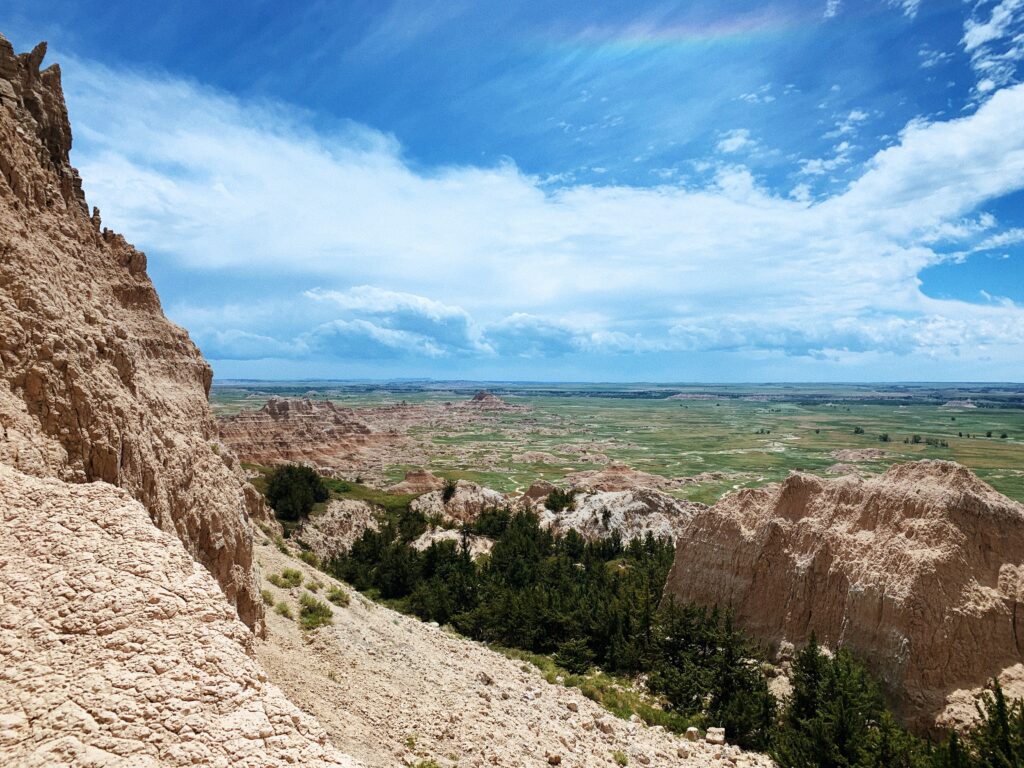
Situated in the heart of the Colorado Plateau, Bryce Canyon National Park is a captivating destination for nature enthusiasts and adventure seekers alike. It is located in southern Utah, approximately 260 miles south of Salt Lake City. The park’s vast landscape is characterized by its iconic amphitheater-like rock formations, known as hoodoos, that create a surreal and otherworldly setting.
Establishment and History
Bryce Canyon National Park has a rich history dating back thousands of years. The area was first inhabited by Native American tribes, including the Paiute people, who were known for their deep connection and reverence for the land. European settlers arrived in the late 19th century, leading to the exploration and eventual preservation of the area.
In 1923, President Warren G. Harding declared Bryce Canyon a national monument, and five years later, it was officially established as a national park. Since then, the park has undergone numerous expansions to protect its unique natural features and provide visitors with an unforgettable experience.
Geological Significance
The geological wonder of Bryce Canyon is what truly sets it apart. The park showcases a mesmerizing collection of hoodoos, which are tall, thin spires of rock that have weathered over time. These remarkable formations are comprised of different layers of sedimentary rock, each with its own distinct color, ranging from reds and oranges to whites and pinks.
The unique geological processes that have shaped Bryce Canyon are a result of a combination of frost-wedging and erosion. Frost-wedging occurs when water seeps into the cracks of the rocks and freezes, causing the cracks to expand over time. This, coupled with the relentless forces of wind and water erosion, has sculpted the hoodoos into their extraordinary shapes.
Flora and Fauna
Despite its harsh and arid environment, Bryce Canyon is home to a surprising variety of plant and animal species. The park’s diverse flora includes evergreen trees, such as Ponderosa pine and Douglas fir, as well as delicate wildflowers that bloom during the spring and summer months.
When it comes to fauna, Bryce Canyon boasts an impressive array of wildlife. Mammals such as mule deer, porcupines, and bobcats can be spotted throughout the park. Numerous bird species, including golden eagles and peregrine falcons, soar through the vast skies above, while reptiles and amphibians, such as rattlesnakes and tadpoles, thrive in the park’s unique microhabitats.
Popular Activities
Bryce Canyon National Park offers visitors a plethora of activities to choose from, ensuring an unforgettable experience for everyone. Hiking is one of the most popular activities in the park, with a multitude of trails catering to various fitness levels. From the thrilling Navajo Loop Trail that winds through the heart of the scenic amphitheater to the breathtaking Rim Trail that provides panoramic views, there is a trail for every adventurer.
For those seeking a different perspective, horseback riding and guided tours are available, allowing you to explore the park’s remarkable landscapes in a unique way. If you’re feeling particularly adventurous, you can even try your hand at canyoneering and rappel down into the park’s narrow slot canyons.
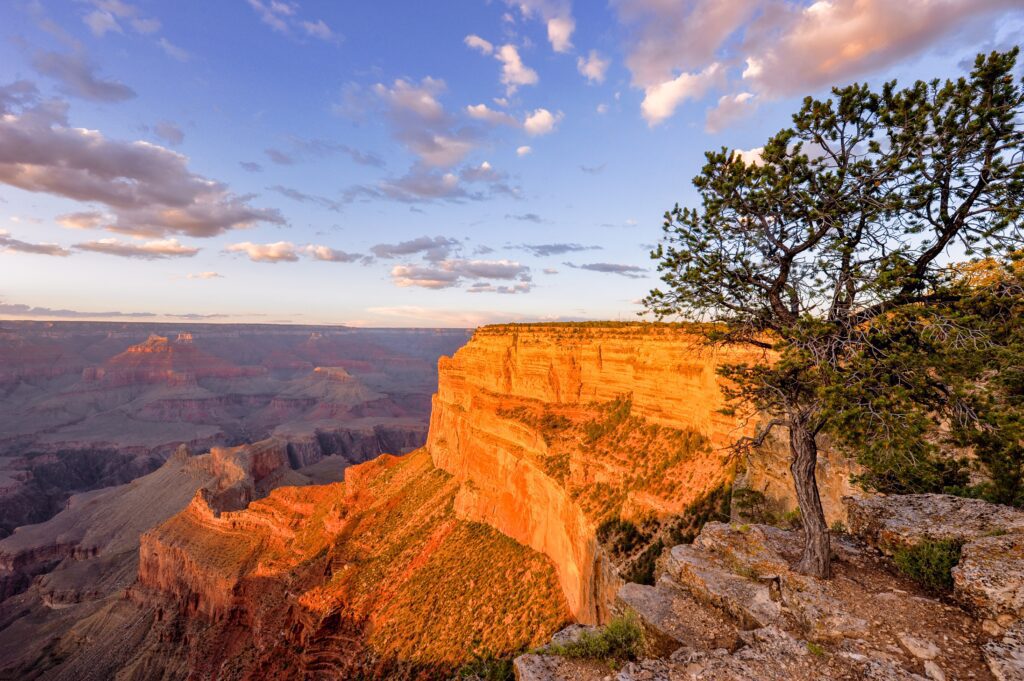
Photography enthusiasts will find endless opportunities to capture the park’s ethereal beauty, particularly during sunrise and sunset when the rock formations are bathed in warm hues. Additionally, stargazers will be in awe of the park’s designation as an International Dark Sky Reserve, offering unrivaled views of the night sky.
No matter what activities you choose, a visit to Bryce Canyon National Park promises an enchanting adventure that will leave you with memories to last a lifetime.
Geology and Formation
Introduction to the Formation
Bryce Canyon’s jaw-dropping formations are a testament to the incredible forces of nature that have been at work for millions of years. The park’s story begins nearly 65 million years ago when the area was still submerged under a shallow sea. Over time, the sediments deposited at the bottom of the sea formed layers of limestone, mudstone, and sandstone.
Distinctive Hoodoo Formations
The captivating hoodoo formations that Bryce Canyon is famous for are the result of a unique combination of geologic processes. The park’s rock layers consist of different types of sedimentary rock, including the resistant Claron Formation, which gives rise to the distinct hoodoo shapes.
As erosion wears away at the softer rocks, the resistant Claron Formation remains standing, creating the mesmerizing spires that dot the landscape. The vibrant colors of the hoodoos are due to the presence of minerals, such as iron oxide, which oxidize and give the rocks their characteristic red, orange, and pink hues.
Erosion and Natural Processes
Erosion is the key force behind the sculpting of the hoodoos at Bryce Canyon. The park experiences both chemical weathering, which breaks down the minerals in the rock, and physical weathering, which involves the physical breakdown of the rock itself. Frost-wedging, the process in which water freezes and expands in the cracks of the rocks, plays a crucial role in the formation of the unique shapes.
The constant exposure to wind and water further erodes the rocks, carving out intricate features over time. The passage of seasons and the temperature fluctuations contribute to the expansion and contraction of the rocks, intensifying the erosion process. It is this ongoing action of elemental forces that continually shapes and sculpts the breathtaking landscape of Bryce Canyon.
Impact of Weathering
Weathering, a significant geological process, has had a profound impact on the formation and appearance of Bryce Canyon. The park experiences a range of weather conditions, including freezing temperatures, high winds, and occasional heavy rainfall. The freeze-thaw cycles of water freezing and thawing in the cracks of the rocks accelerate the process of weathering, causing the rocks to break apart and allowing erosion to take its course.
Additionally, wind plays a crucial role in shaping the hoodoos. As it moves across the park, it carries abrasive sand particles that act as a natural sandblaster, further eroding the rocks and contributing to their unique shape and texture. Over time, the combined forces of weathering and erosion transform the landscape, creating the awe-inspiring beauty of Bryce Canyon.
Geological Time Scale
The geological wonders of Bryce Canyon are a testament to the vastness of time and the slow but remarkable changes that have occurred over millions of years. The exposed rocks in the park span a range of geological time, with the oldest layers dating back over 60 million years.
Exploring Bryce Canyon offers a unique opportunity to witness the passage of time, as the various layers of rock tell a story of the Earth’s geological history. Each layer represents a different period, preserving the remnants of ancient oceans, vast deserts, and lush forests. It is a humbling experience that allows us to marvel at the immense scale and magnitude of the Earth’s geological processes.
Scenic Landmarks
Sunrise Point
As the name suggests, Sunrise Point offers visitors the opportunity to witness the breathtaking spectacle of the sun casting its first rays over the hoodoo-filled amphitheater. The early morning light paints the rocks with a soft glow, creating a mesmerizing display of colors and shadows. It is truly a magical experience that should not be missed during a visit to Bryce Canyon.
Sunset Point
At the opposite end of the day, Sunset Point provides an equally captivating vista for those who prefer to witness the park’s beauty under the golden hues of dusk. As the sun dips below the horizon, it bathes the landscape in warm, rich tones, accentuating the intricacies of the hoodoo formations. Sunset Point is a popular spot for photographers and nature lovers alike, and it offers an unforgettable way to end the day.
Inspiration Point
True to its name, Inspiration Point offers a panoramic view that is sure to inspire all who gaze upon it. From this vantage point, visitors can marvel at the vastness of the Bryce Amphitheater, a sprawling expanse of hoodoos that stretches as far as the eye can see. The breathtaking vista provides ample inspiration for photographers, artists, and anyone seeking a deeper connection with the natural world.
Bryce Point
Bryce Point is another must-visit landmark in the park, offering a sweeping view of the iconic Silent City. This vast collection of hoodoos resembles an ancient, deserted metropolis, with its seemingly endless maze of tall spires and pinnacles. The view from Bryce Point provides a sense of scale and wonder, allowing visitors to appreciate the intricate details of the hoodoos from a distance.
Natural Bridge
While not technically a natural bridge, the rock formation known as Natural Bridge is still a remarkable sight to behold. This massive arch stands as a testament to the power of erosion and the ever-changing nature of Bryce Canyon. The delicate curves and intricate details of Natural Bridge make it a popular spot for photographers and a fascinating feature in the park’s geological landscape.
Hiking and Exploration Trails
Navajo Loop Trail
The Navajo Loop Trail is a moderate hike that takes you on a breathtaking journey through the heart of Bryce Canyon’s amphitheater. The trail starts at Sunset Point and descends into the canyon, winding through a narrow slot canyon called Wall Street. As you hike, you will be surrounded by towering hoodoos and have the opportunity to witness the unique beauty up close.
Queens Garden Trail
For a leisurely hike that showcases the park’s flora and fauna, the Queens Garden Trail is a perfect choice. This moderately easy trail begins at Sunrise Point and descends into the Bryce Amphitheater, where you will encounter hoodoos in various shapes and sizes. Along the way, keep an eye out for rock formations that resemble different objects, often referred to as the “Queen’s Garden.”
Fairyland Loop Trail
As its name suggests, the Fairyland Loop Trail takes you on a journey through a world of enchanting beauty. This challenging trail traverses 8 miles and offers breathtaking views of towers, ridges, and amphitheaters. With fewer crowds compared to other trails, the Fairyland Loop is a fantastic option for those seeking solitude and a deeper connection with the park’s natural wonders.
Rim Trail
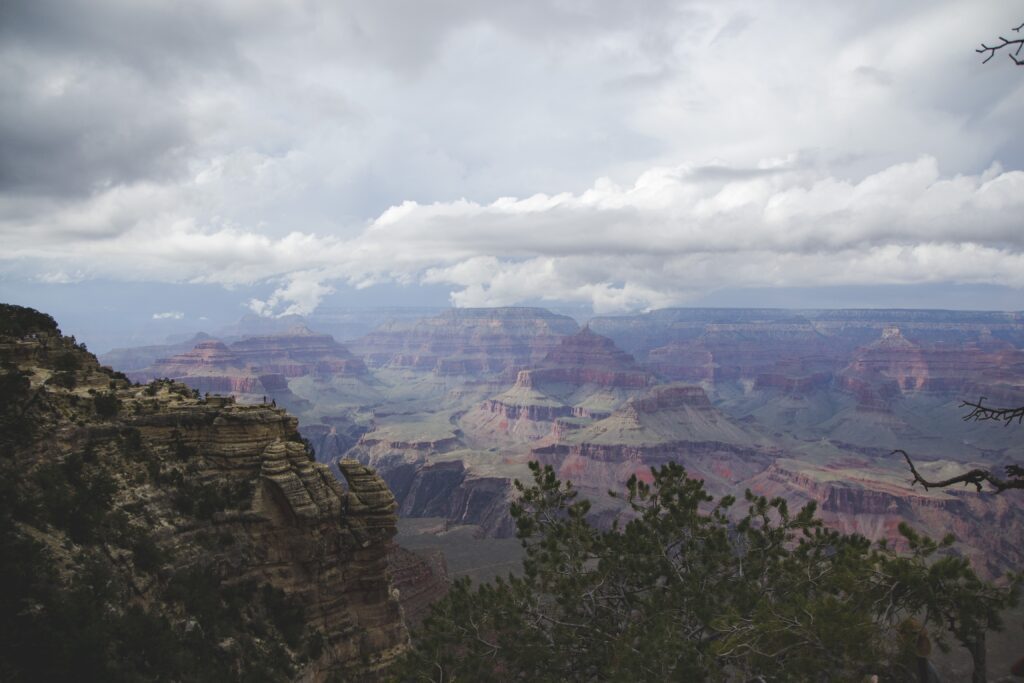
For a more leisurely and accessible experience, the Rim Trail is ideal. This paved trail follows the rim of the Bryce Amphitheater for approximately 5.5 miles, offering panoramic views of the hoodoos and the surrounding landscapes. Whether you choose to hike the entire length of the trail or opt for shorter segments, the Rim Trail provides countless opportunities for breathtaking vistas and memorable experiences.
Peek-a-Boo Loop Trail
For the more adventurous hikers, the Peek-a-Boo Loop Trail is a challenging but rewarding option. This 5.5-mile loop takes you deep into the heart of the Bryce Amphitheater, offering a truly immersive experience. Along the way, you will encounter a myriad of hoodoos, arches, and towering rock formations, providing a unique perspective of the park’s geological wonders.
Wildlife Diversity
Mammals
Bryce Canyon National Park is home to a diverse range of mammal species, each adapted to its unique desert habitat. Mule deer, with their graceful presence and iconic antlers, are frequently spotted throughout the park. Other common mammals include the elusive bobcat, the mischievous raccoon, and the agile mountain lion. These animals contribute to the park’s rich ecosystem and add to the sense of wilderness experienced by visitors.
Birds
Birdwatchers will be delighted by the variety of avian species that call Bryce Canyon home. Raptors, such as golden eagles and peregrine falcons, soar through the skies, showing off their impressive hunting skills. Colorful songbirds, including Western tanagers and black-headed grosbeaks, enliven the forests with their melodic songs. With over 175 species of birds recorded in the park, there is always something new and exciting to discover.
Reptiles
While reptiles may not be as commonly seen as other wildlife, they play an integral role in the park’s ecosystem. Snakes, such as the rattlesnake and the gopher snake, are present in the park and are best admired from a safe distance. Lizards, such as the collared lizard and the western fence lizard, can be spotted basking in the sun or scurrying through the brush, adding a touch of reptilian charm to the landscape.
Amphibians
Bryce Canyon is not known for its abundance of amphibians, but a few species have managed to adapt to the park’s arid environment. Amphibians, such as tailed frogs and tree frogs, can be found near water sources, taking advantage of the small pockets of moisture. Though not as numerous as their reptilian counterparts, these amphibians are a testament to the resilience and adaptability of life in the desert.
Insects and Invertebrates
Insects and invertebrates constitute a vital part of the park’s ecosystem, playing essential roles as pollinators and decomposers. Bees, butterflies, and hummingbirds flit from flower to flower, ensuring the survival of the park’s delicate plant life. Ladybugs and grasshoppers add bursts of color to the landscape, while spiders and beetles scuttle about the forest floor. Observing these smaller creatures offers a newfound appreciation for the intricate balance of life in Bryce Canyon.
Stargazing in Bryce Canyon
Dark Sky Reserve Designation
Bryce Canyon National Park holds the prestigious designation of being an International Dark Sky Reserve, making it one of the best places on Earth for stargazing. The park’s remote location, coupled with strict light pollution regulations, ensures minimal interference from artificial light sources, allowing for unparalleled views of the night sky.
Astronomy Programs and Events
To enhance the stargazing experience, Bryce Canyon offers a range of astronomy programs and events throughout the year. Rangers lead guided night sky programs, providing insight into the constellations, planets, and other celestial phenomena. Telescope viewing is also available, allowing visitors to peer into the depths of the universe and witness the wonders of distant galaxies.
Special events, such as meteor shower viewing parties and annual astronomy festivals, offer unique opportunities to connect with the cosmos and learn from experts in the field. Whether you are a seasoned astronomer or simply have a passion for the stars, Bryce Canyon’s astronomy programs are sure to be a highlight of your visit.
Best Locations for Stargazing
While stargazing is possible from various locations within the park, several spots are particularly well-suited for observing the night sky. Bryce Point and Rainbow Point offer unobstructed views and vast expanses of darkness, providing optimal conditions for stargazing. Far from the city lights, these locations allow visitors to fully immerse themselves in the beauty and serenity of the night sky.
Impressive Night Sky Photography
For photography enthusiasts, Bryce Canyon’s dark skies present a unique opportunity to capture stunning images of the cosmos. With a camera and tripod in hand, you can capture the brilliance of stars, the Milky Way galaxy, and even the elusive Aurora Borealis if conditions are right.
Long exposure photography allows for the capture of intricate details and vibrant colors, resulting in breathtaking images that are sure to evoke a sense of wonder and awe. Whether you are a novice or a seasoned astrophotographer, the night sky above Bryce Canyon offers endless inspiration and the chance to create truly remarkable photographs.
Fascinating Cultural History
Native American Influence
Long before the arrival of European settlers, Native American tribes inhabited the region surrounding Bryce Canyon. The Paiute people, in particular, have a deep connection to the land and consider it sacred. The Paiute have passed down stories, legends, and ancient wisdom regarding the creation and significance of the hoodoos, adding to the cultural richness of the area.
Visitors to Bryce Canyon have the opportunity to learn about and appreciate the Native American influence through interpretive programs and exhibits that showcase their art, traditions, and deep respect for the natural world.
Settlement and Homesteading
In the late 19th century, European settlers began to venture into the area surrounding Bryce Canyon, seeking opportunities for farming and ranching. The harsh desert environment presented numerous challenges, but the settlers persevered, establishing homesteads and leaving behind a legacy of perseverance and resilience.
Remnants of the region’s settler history can still be seen in the form of aged cabins, fences, and other structures that have withstood the test of time. Exploring these remnants offers a glimpse into the lives and struggles of the early pioneers who called Bryce Canyon home.
Bryce Canyon Legends and Myths
The geological wonders of Bryce Canyon have sparked imagination and inspired countless legends and myths throughout the years. Among the Paiute people, the hoodoos are believed to be the “Legend People” who were turned to stone as punishment for their disobedience to the gods.
These captivating stories add a touch of magic and intrigue to the park’s already extraordinary landscape, inviting visitors to delve deeper into the mythology and folklore surrounding Bryce Canyon.
The Civilian Conservation Corps (CCC)
During the Great Depression of the 1930s, the Civilian Conservation Corps played a significant role in the development and preservation of Bryce Canyon National Park. The CCC, a work relief program, employed young men to carry out essential conservation work, including the construction of trails, campsites, and other infrastructure.
The legacy of the CCC can be seen throughout the park, with their craftsmanship evident in the intricately designed stone structures that blend seamlessly with the natural environment. Their contribution to the development and preservation of Bryce Canyon serves as a testament to the enduring value of conservation and the transformative power of human effort.
Visitor’s Center and Facilities
Park Entrances and Fees
Bryce Canyon National Park can be accessed through two main entrances: the Bryce Canyon Visitor Center entrance and the Ruby’s Inn entrance. Both entrances provide access to the park’s main attractions and offer ample parking for visitors.
Entrance fees are required to enjoy the park’s wonders, with rates varying depending on the vehicle and the duration of your visit. These fees contribute to the preservation and maintenance of the park, ensuring that future generations can continue to experience the magic of Bryce Canyon.
Visitor’s Center and Exhibits
The Bryce Canyon Visitor Center serves as the hub for park information and provides a wealth of resources for visitors. Knowledgeable rangers are on hand to offer guidance, answer questions, and offer insights into the park’s features and history.
The visitor center also hosts a range of exhibits that delve deeper into the park’s geology, flora and fauna, and cultural heritage. Interactive displays and informative videos provide a captivating educational experience, allowing visitors to gain a deeper appreciation for the park’s unique natural wonders.
Campgrounds and Picnic Areas
For those looking to spend a night immersed in nature, Bryce Canyon offers several campgrounds that provide a rustic escape. Sunset Campground and North Campground both offer tent and RV camping options, complete with fire pits, picnic tables, and access to restroom facilities. Reservations are recommended, particularly during peak seasons.
Picnic areas are scattered throughout the park, providing convenient spots to relax and enjoy a meal surrounded by the park’s stunning vistas. Whether you choose to bring your own provisions or make use of the nearby dining options, a picnic in Bryce Canyon allows you to savor the beauty of the park in a leisurely and immersive manner.
Shuttle Bus Service
To reduce congestion and promote sustainable transportation, a shuttle bus service operates within Bryce Canyon National Park. The shuttle offers convenient transportation to key destinations, including popular trailheads and scenic viewpoints. Utilizing the shuttle system not only helps minimize your carbon footprint, but it also provides a stress-free and efficient way to navigate the park’s vast landscapes.
Dining and Lodging Options
If you prefer a more comfortable stay, there are several lodging options available both within the park and in the nearby surrounding areas. From rustic cabins and lodges within the park to a variety of hotels and resorts just outside its boundaries, there is an option to suit every preference and budget.
Dining options range from casual eateries offering quick bites to full-service restaurants serving a variety of cuisines. Whether you are looking to refuel after a day of exploring or you simply want to relax and savor a delicious meal, you will find a dining experience to suit your taste in and around Bryce Canyon.
Seasonal Changes and Climate
Spring
Spring in Bryce Canyon brings a burst of new life and vibrant colors. As the snow melts, the desert landscape transforms into a tapestry of wildflowers, with blooms of various hues painting the land. The weather during spring is mild, with temperatures ranging from the 40s to 70s Fahrenheit. It is important to be prepared for potential fluctuations in temperature and unpredictable weather conditions, so layering clothing is recommended.
Summer
Summer is the busiest time in Bryce Canyon, as visitors flock to the park to enjoy the picturesque landscapes and mild temperatures. During the day, temperatures can reach the 80s and occasionally 90s Fahrenheit, so it is essential to stay hydrated and wear sunscreen. Evenings offer cooler temperatures, providing a pleasant and comfortable atmosphere for outdoor activities.
Autumn
Autumn in Bryce Canyon is a magical time when the landscape is transformed into a kaleidoscope of reds, oranges, and golds. The crisp air and cool temperatures make for perfect hiking conditions, allowing visitors to explore the park’s wonders without the summer crowds. Sweaters and jackets are recommended, as temperatures can range from the 30s to 60s Fahrenheit.
Winter
Winter brings a different kind of beauty to Bryce Canyon. The park is transformed into a winter wonderland, with snow covering the hoodoos and creating a breathtaking backdrop. The temperatures can be quite cold, often dropping below freezing, so warm clothing and appropriate gear are essential for comfort and safety. Visitors during winter can enjoy a quieter and more serene park experience, with the chance to witness the unique beauty of Bryce Canyon draped in snow.
Weather and Clothing Tips
It is important to be prepared for the ever-changing weather conditions that Bryce Canyon offers. Dressing in layers is crucial, as temperature fluctuations can occur throughout the day. Comfortable walking shoes or hiking boots are essential for exploring the park’s trails, and hats and sunglasses provide protection from the sun. It is also advisable to carry a rain jacket or umbrella, as rainfall is possible year-round.
Conclusion
Bryce Canyon National Park is a truly unique natural wonder that captivates visitors with its ethereal landscapes, distinctive rock formations, and diverse flora and fauna. From the awe-inspiring hoodoos to the captivating starry skies, the park offers an immersive experience that is sure to leave you in awe.
Preservation and conservation efforts play a vital role in ensuring that future generations can continue to enjoy the beauty and wonders of Bryce Canyon. By respecting the park’s guidelines and being mindful of our impact on the environment, we can contribute to the long-term sustainability of this remarkable destination.
So, whether you are seeking outdoor adventures, cultural enrichment, or simply a tranquil escape into nature, Bryce Canyon National Park beckons you with open arms. Get ready to embark on an unforgettable journey and create lifelong memories in this extraordinary natural treasure.