Page Navigation
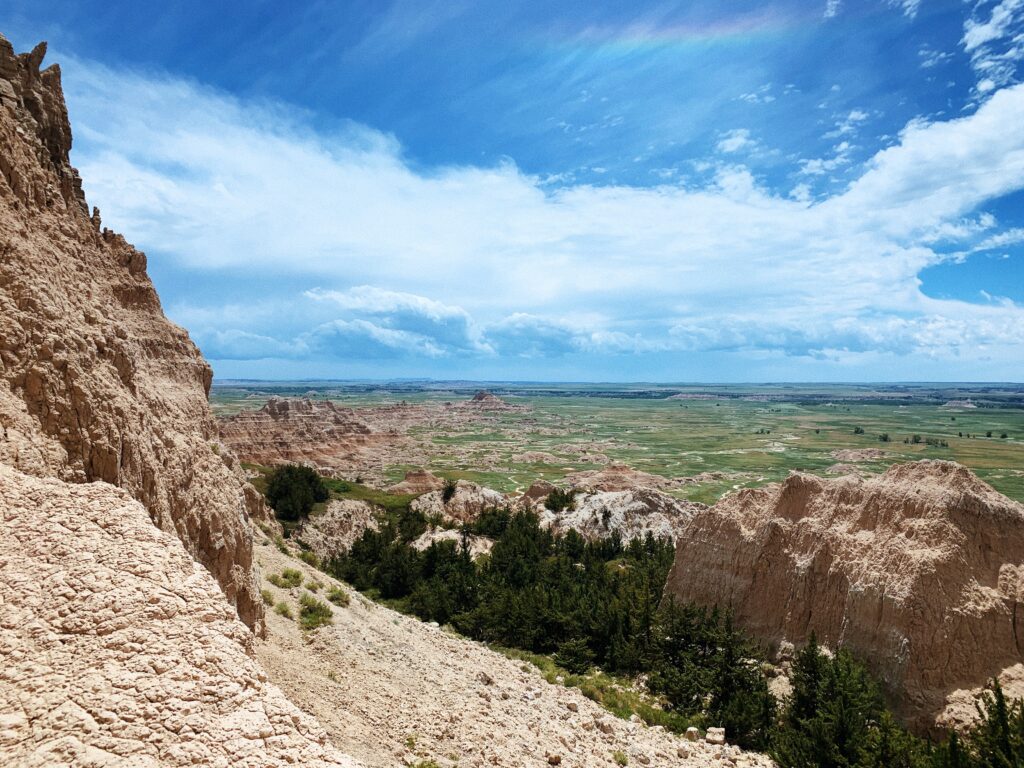
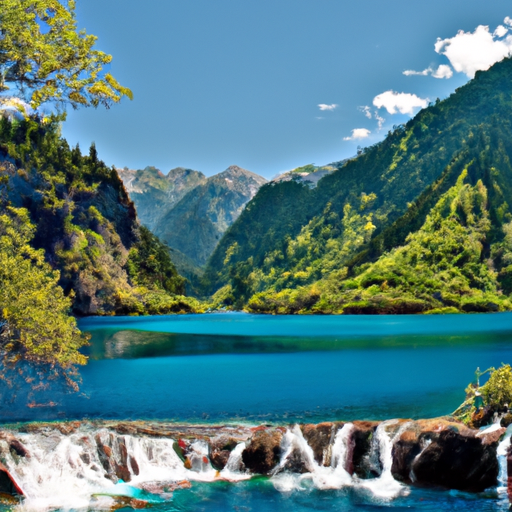
Immerse yourself in the captivating splendor of Yellowstone National Park, situated in the USA. This expansive park offers a tapestry of geothermal wonders, thriving wildlife, and magnificent geysers, providing an unrivaled experience for nature enthusiasts. As you explore its vast landscapes, you will be treated to breathtaking vistas of mountains, beaches, forests, and deserts, offering a rejuvenating escape from the demands of everyday life. Yellowstone National Park invites you to witness the unparalleled beauty of nature’s creations, leaving you in awe of the remarkable wonders that exist within this natural haven.
Geothermal Wonders
Formation and Importance of Geothermal Features
Yellowstone National Park, located in the northwest corner of Wyoming, is a pristine wilderness known for its extraordinary geothermal features. These features are created by the underlying volcanic activity that has shaped the park’s landscape for millions of years. Geysers, hot springs, mud pots, and thermal areas are all manifestations of the geothermal activity that defines Yellowstone.
Geothermal features are formed when magma, molten rock beneath the Earth’s surface, heats the water trapped in porous rocks. As the water gets heated, it rises to the surface, creating the iconic geysers and hot springs that Yellowstone is famous for. These features are of great importance as they provide a unique opportunity to study the Earth’s geothermal processes and offer a glimpse into the power and beauty of nature.
The Yellowstone Caldera
One of the most fascinating geological formations in Yellowstone is the Yellowstone Caldera. Known as a supervolcano, the Yellowstone Caldera is one of the largest active volcanic systems in the world. It covers a vast area of approximately 1,500 square miles and has a complex history dating back millions of years.
The caldera is a colossal crater-like structure formed by explosive volcanic eruptions that occurred over the past two million years. These eruptions were so powerful that they left behind a vast caldera that is still active today. The Yellowstone Caldera is not just a geological wonder but also a reminder of the powerful forces that shape the Earth’s surface.
Hot Springs and Mud Pots
Yellowstone’s hot springs are a mesmerizing display of nature’s beauty and power. These natural features are created when geothermally heated water rises to the surface, carrying dissolved minerals with it. As the water cools, these minerals precipitate, creating colorful and intricate formations around the hot springs.
Mud pots, on the other hand, are unique geothermal features that can be found in Yellowstone. These fascinating pools of bubbling mud are formed when geothermally heated water mixes with the surrounding soil, creating a thick slurry-like consistency. The constant churning and boiling of the mud create a mesmerizing spectacle, showcasing the volatile nature of Yellowstone’s geothermal activity.
Thermal Features in the Norris Geyser Basin
The Norris Geyser Basin is one of the must-visit areas within Yellowstone National Park. It is home to a wide variety of geothermal features, including geysers, hot springs, fumaroles, and mud pots. The dynamic nature of the Norris Geyser Basin makes it a captivating and ever-changing landscape.
The area is characterized by its vibrant colors, caused by thermophiles – heat-loving microorganisms that thrive in the extreme conditions of Yellowstone’s thermal features. The Norris Geyser Basin offers a unique opportunity to witness the constant evolution and transformation of these geothermal wonders, providing an unforgettable experience for visitors.
The Famous Old Faithful Geyser
No visit to Yellowstone National Park would be complete without witnessing the majestic eruption of the Old Faithful geyser. Old Faithful is perhaps the park’s most iconic geyser, renowned for its predictability and regularity. It earned its name due to its consistent eruptions, which occur approximately every 90 minutes.
The eruptions of Old Faithful can reach heights of up to 180 feet, shooting boiling water and steam into the air. Each eruption lasts for several minutes, creating a mesmerizing spectacle that captivates visitors from around the world. Old Faithful is a testament to the geological wonders that Yellowstone has to offer and serves as a reminder of the immense power hidden beneath the Earth’s surface.
Wildlife
An Abundance of Wildlife
Yellowstone National Park is not only home to impressive geothermal features but also boasts a rich and diverse array of wildlife. The park provides a protected habitat for numerous species, allowing visitors to observe animals in their natural environment. Yellowstone’s wildlife is a testament to the importance of preserving and conserving such critical ecosystems.
Iconic Yellowstone Animals
Yellowstone is known for its iconic animals, such as the grizzly bear, wolf, and elk. These species have become emblematic of the park and are often the subject of awe and fascination. The grizzly bear, with its immense size and strength, represents the wilderness and untamed beauty that Yellowstone embodies.
The gray wolf, once on the brink of extinction, has made a remarkable recovery within Yellowstone. Observing the wolves in their natural habitat provides visitors with a unique opportunity to witness the intricate dynamics of a wolf pack and their role in the ecosystem.
Elk are another iconic species found in Yellowstone. These majestic animals can often be seen grazing in open meadows or heard bugling during the mating season. The elk symbolize the harmony between wildlife and the pristine natural landscapes of the park.
Observing Wolves in Yellowstone
Yellowstone National Park is renowned for its successful efforts in wolf reintroduction, which has had a profound impact on the park’s ecosystem. Wolves, as apex predators, play a crucial role in maintaining ecological balance by regulating prey populations and preventing overgrazing.
Visitors to Yellowstone have the opportunity to observe and learn about wolves through various educational programs and guided tours. These experiences provide a deeper understanding of the complex interactions between predators and prey and highlight the significance of wildlife conservation efforts.
Birdwatching Opportunities
Yellowstone National Park offers exceptional opportunities for birdwatching enthusiasts. With over 300 bird species recorded within the park, it is a haven for avian biodiversity. From majestic bald eagles to colorful western tanagers, Yellowstone’s bird population provides a captivating spectacle for birdwatchers of all levels of expertise.
The park’s diverse ecosystems, including forests, meadows, and wetlands, support a wide variety of bird species. Exploring different habitats within the park allows visitors to encounter a multitude of feathered inhabitants, each with its unique behaviors and adaptations.
Bison Herds and Their Importance
Bison, often referred to as American buffalo, hold great ecological and historical significance in Yellowstone National Park. These magnificent creatures have been a part of the park’s landscape for thousands of years and are an essential element of its ecosystem.
Yellowstone’s bison herds are the largest and oldest in the United States, providing a vital link to the park’s natural history. As grazers, bison play a crucial role in shaping the landscape through their feeding habits. Their hooves help distribute seeds and nutrients, promoting the growth of diverse plant communities.
The conservation of bison populations in Yellowstone serves not only as an ecological endeavor but also as a tribute to the cultural heritage of Native American tribes that revered and relied on these animals for their sustenance and way of life.
Geysers
What is a Geyser?
A geyser is a unique and captivating natural phenomenon that occurs when underground water is heated to the boiling point by geothermal activity. The water eventually erupts to the surface, creating a spectacular display of hot water, steam, and sometimes even rock and debris.
Geysers are relatively rare, with only a few areas around the world having the necessary geological conditions for their formation. Yellowstone National Park is home to over 500 geysers, making it the ideal destination for observing these extraordinary thermal features.
The Relationship Between Geysers and Geothermal Activity
Geysers are directly linked to geothermal activity, which refers to the heat generated by the Earth’s internal processes. In areas where geothermal energy is prevalent, groundwater is heated deep underground by magma or hot rocks. This heated water becomes less dense and rises to the surface, creating the conditions necessary for geyser eruptions.
Yellowstone’s geysers are primarily fueled by the park’s underlying volcanic activity. The presence of a molten magma chamber beneath the park’s surface provides the necessary heat to generate the steam and pressure required for geyser eruptions.
The Process of Eruption
Geyser eruptions are captivating and often unpredictable events that can vary in frequency, duration, and intensity. The eruption process begins with a build-up of pressure and the heating of water below the geyser’s vent. As the pressure increases, the water column can no longer contain the bubbles of steam that form, resulting in a violent expulsion of hot water and steam.
The height and duration of a geyser eruption depend on various factors, including the geyser’s plumbing system, the size of the underground water reservoir, and the pressure exerted by the steam. Some geysers erupt at regular intervals, while others have irregular eruption patterns, making each eruption a unique and awe-inspiring experience.
Geysers Beyond Yellowstone National Park
While Yellowstone has the largest concentration of geysers in the world, geothermal areas with geysers can also be found in other parts of the globe. Iceland, for example, is renowned for its geothermal activity and has several geysers, including the famous Geysir.
Geysers also exist in places like New Zealand, Russia, and Chile, each with its unique characteristics and geological formations. These geothermal areas provide invaluable insights into the Earth’s geothermal processes and the diversity of thermal features that can be found across the planet.
The Unique Features of Yellowstone’s Geysers
Yellowstone’s geysers are unlike any other in the world, with their distinctiveness stemming from the park’s intense geothermal activity and dynamic geological processes. The geysers of Yellowstone are celebrated for their diversity, distinct eruption patterns, and colorful surroundings.
One of the most notable features of Yellowstone’s geysers is their vibrant and intricate silica-rich deposits. Over time, the minerals present in the geyser’s erupting water create vivid colors, from brilliant whites to deep blues, oranges, and yellows. This unique geothermal phenomenon adds an element of surreal beauty to the already captivating spectacle of geyser eruptions.
Yellowstone’s Flora and Fauna
A Diverse Ecosystem
Yellowstone National Park is a haven for a diverse range of flora and fauna, providing a sanctuary for countless species to thrive. The park’s unique combination of habitats, including grasslands, forests, wetlands, and alpine meadows, supports a rich diversity of plant and animal life.
The variety of ecosystems present within Yellowstone allows for the coexistence of numerous species, each adapted to its specific niche. This ecological diversity not only contributes to the park’s natural beauty but also plays a vital role in maintaining a balanced and sustainable ecosystem.
Flowering Plants and Wildflowers
Yellowstone’s flower-filled meadows and vibrant wildflowers are a sight to behold. From spring through early summer, these meadows burst into a riot of colors as a diverse array of flowering plants bloom. Lupines, Indian paintbrushes, and balsamroot are just a few examples of the wildflowers that blanket the park’s landscapes.
These flowers are not only aesthetically pleasing but also serve crucial ecological functions. They provide food and shelter for pollinators such as bees, butterflies, and hummingbirds, contributing to the overall health and vitality of the park’s ecosystem.
Conifers and Forests
Yellowstone’s forests, dominated by coniferous trees such as lodgepole pine, Douglas fir, and Engelmann spruce, are emblematic of the park’s wilderness. These towering trees not only create a majestic backdrop but also provide vital habitat for a wide range of wildlife.
The dense forests offer shelter, nesting sites, and food sources for numerous bird species, small mammals, and elusive predators like the pine marten and lynx. They also play a crucial role in regulating the park’s hydrological cycle, filtering water, and preventing erosion.
Mammals Found in Yellowstone
Yellowstone National Park is home to a remarkable array of mammals, ranging from small rodents to apex predators. Grizzly bears, black bears, wolves, and mountain lions are just a few of the iconic carnivores that roam the park’s vast wilderness.
Large herbivores such as elk, bison, and mule deer are also abundant in Yellowstone and are fascinating to observe in their natural habitat. The park’s rivers and lakes are inhabited by beavers and otters, while smaller mammals like squirrels, chipmunks, and voles scurry about in the forests and meadows.
Unique Species and Rare Plants
Yellowstone is not only home to common species but also hosts several unique and rare plants and animals. The park’s high-elevation alpine meadows support delicate wildflowers such as mountain avens and alpine bistort, offering a glimpse into specialized ecosystems.
Rare and elusive species, such as the elusive wolverine, have also been documented within Yellowstone. These sightings highlight the importance of preserving the park’s diverse habitats and ensuring the survival of these rare and endangered species.
Yellowstone National Park: A Brief History
Establishment and Recognition
Yellowstone National Park holds the distinction of being the world’s first national park, established by an act of Congress on March 1, 1872. The park’s creation marked a significant milestone in the global conservation movement, recognizing the need to protect and preserve some of the Earth’s most extraordinary natural wonders.
Today, Yellowstone remains a proud testament to the importance of preserving natural landscapes for future generations to enjoy and study. It stands as a symbol of worldwide efforts to conserve and protect our planet’s valuable ecosystems.
Historical Significance of Yellowstone
Native Americans have occupied the Yellowstone region for over 11,000 years, and their traditions and cultures are deeply intertwined with the land. The park’s thermal features, wildlife, and landscapes have long held spiritual and cultural importance for numerous tribes, including the Shoshone, Crow, and Blackfoot.
Yellowstone gained further recognition and significance during the 19th century as explorers and early settlers ventured into the untamed region. Reports of geysers, hot springs, and magnificent landscapes captured the imagination of the American public, leading to increased interest and support for preserving the area as a national park.
The Role of Native American Tribes in Yellowstone
The Native American tribes associated with the Yellowstone region have a rich and enduring relationship with the land and its resources. The tribes continue to play an integral role in the preservation and management of the park, ensuring the protection of cultural heritage and allowing for native voices to be heard.
Collaborative efforts between the National Park Service and Native American tribes have helped promote cultural preservation within the park and ensure that the history and traditions of these tribes are shared and celebrated.
Early Expeditions and Discoveries
Yellowstone’s wonders began to capture the attention of explorers and naturalists in the early 19th century. In 1807, John Colter, a member of the Lewis and Clark Expedition, became the first European American to venture into the region. His stories of boiling rivers and erupting geysers were met with skepticism and disbelief.
It wasn’t until the 1870 Hayden Geological Survey, led by Ferdinand V. Hayden, that Yellowstone’s natural wonders were fully documented and recognized. This knowledge paved the way for the establishment of Yellowstone National Park just two years later.
Yellowstone Today
Yellowstone National Park remains as magnificent and awe-inspiring today as it was when first discovered. Each year, millions of visitors from around the world are captivated by the park’s breathtaking landscapes, unique geothermal features, and abundant wildlife.
Yellowstone’s continued success as a national park is a testament to the ongoing commitment to conservation and preservation. By striking a balance between visitor access and environmental protection, Yellowstone remains a treasured destination for generations to come.
Fascinating Geological Phenomena
The Yellowstone Supervolcano
The Yellowstone Supervolcano is a geological wonder that lies beneath the surface of Yellowstone National Park. This massive volcanic system is one of the most powerful forces on Earth, capable of producing eruptions thousands of times more powerful than a typical volcanic eruption.
The supervolcano is formed by a hotspot – a large mantle plume that rises from deep within the Earth. As magma accumulates beneath the Earth’s crust, it creates a large and unstable reservoir of molten rock, known as a magma chamber. The enormous size of the Yellowstone Supervolcano’s magma chamber is what distinguishes it as a supervolcano.
Volcanic Roots and Tectonic Activity
Yellowstone’s geology is shaped by its volcanic roots and ongoing tectonic activity. The park sits atop the Yellowstone Hotspot, a stationary plume of molten rock that provides the heat and energy necessary for the park’s geothermal features.
The movement of tectonic plates also contributes to Yellowstone’s geological phenomena. The North American Plate, under which Yellowstone lies, is slowly moving westward. This movement creates stress and tension, leading to earthquakes and the formation of faults and fractures that allow geothermal fluids to rise to the surface.
Canyons and Waterfalls
Yellowstone National Park is home to several stunning canyons and waterfalls, each with their own unique features and geological origins. The most famous of these is the Grand Canyon of the Yellowstone, a deep and dramatic gorge carved by the Yellowstone River.
The Grand Canyon of the Yellowstone showcases the power of erosive forces over millions of years, with its vibrant and colorful rock formations. The park is also home to iconic waterfalls, such as the Lower Falls and the Upper Falls, which are a result of the relentless erosion of the volcanic rock.
The Mammoth Hot Springs Terraces
The Mammoth Hot Springs Terraces are a geological marvel, showcasing the fascinating interaction between heat, water, and limestone. These terraces are formed by the upwelling of hot water loaded with dissolved calcium carbonate.
As the hot water reaches the surface, it cools and deposits calcite, creating intricate and stunning formations. Over time, these formations build up, resulting in terraced landscapes with an otherworldly appearance. The vibrant colors displayed by the terraces are a result of mineral-rich hydrothermal fluids and the presence of thermophilic microorganisms.
Yellowstone’s Petrified Trees
The petrified trees of Yellowstone are a testament to the area’s ancient history. These fossils, dating back millions of years, offer a glimpse into a time when the region was a lush and tropical environment. The trees were preserved through a process known as permineralization, where minerals gradually replace the organic material, resulting in petrified wood.
The petrified trees can be found throughout the park, with notable concentrations in the areas of Specimen Ridge and the Lamar Valley. These ancient remnants provide valuable insights into the geological and climatic changes that have occurred over vast periods of time.
Outdoor Activities
Hiking and Backpacking Trails
Yellowstone National Park offers a vast network of hiking and backpacking trails, allowing visitors to immerse themselves in the park’s natural beauty and explore its diverse landscapes. From leisurely strolls to challenging multi-day hikes, there is something suited for every level of outdoor enthusiast.
Trails like the Grand Loop, which spans over 150 miles, provide an opportunity to experience the park’s iconic features, including geothermal areas, towering waterfalls, and picturesque canyons. Hikers can also venture off the beaten path and discover the park’s lesser-known gems, immersing themselves in the tranquility and solitude of Yellowstone’s wilderness.
Camping in Yellowstone
Camping is a popular and immersive way to experience all that Yellowstone has to offer. The park offers a range of campgrounds, catering to different preferences and levels of amenities. Whether pitching a tent, sleeping in an RV, or backpacking to remote campsites, visitors can enjoy a night under the stars and awaken to the sights and sounds of nature.
Camping allows for a deeper connection with the park’s natural surroundings, providing an uninterrupted experience that extends beyond daylight hours. Waking up to the crisp mountain air, the sound of a nearby river, or the call of a distant wolf pack is a truly unforgettable experience.
Exploring the Grand Canyon of the Yellowstone
The Grand Canyon of the Yellowstone is a must-see destination within the park, offering awe-inspiring vistas and numerous opportunities for exploration. Visitors can hike along the rim of the canyon, taking in the panoramic views and marveling at the geological wonders that have been sculpted by the Yellowstone River.
For a more immersive experience, adventurers can venture into the canyon and hike the trail that leads down to the base of the Lower Falls. This offers a closer view of the thundering waterfall and the opportunity to witness the immense power of nature up close.
Fishing in Yellowstone’s Rivers and Lakes
For fishing enthusiasts, Yellowstone National Park is a paradise. The park boasts over 2,000 miles of rivers and streams, as well as several pristine alpine lakes, providing abundant opportunities for anglers of all skill levels.
Yellowstone is home to a variety of fish species, including the native Yellowstone cutthroat trout, rainbow trout, brown trout, and brook trout. Fishing in the park is regulated to ensure the preservation of fish populations and the integrity of the ecosystem.
Horseback Riding Adventures
Exploring Yellowstone on horseback offers a unique perspective and allows visitors to immerse themselves in the park’s natural beauty. Several guided tours and rental services are available, catering to riders of all levels.
Trails wind through diverse landscapes, from open prairies to dense forests, offering the chance to observe wildlife up close and experience the tranquility of Yellowstone’s backcountry. Horseback riding provides an opportunity to connect with nature in a profound and intimate way, following in the footsteps of early explorers and experiencing the wilderness as they once did.
Visiting Yellowstone National Park
Park Entrance Fees and Permits
As a national park, Yellowstone has an entrance fee that helps support the preservation and maintenance of the park’s unique resources. The entrance fee is per vehicle and is valid for seven consecutive days.
In addition to the entrance fee, certain activities within the park may require permits or reservations. Backcountry camping, fishing, and guided tours may have specific regulations or limited availability, so it is essential to plan ahead and obtain the necessary permits or reservations to ensure a smooth and enjoyable visit.
Best Time to Visit Yellowstone
Yellowstone National Park is open year-round, each season offering its own unique experiences and attractions. The best time to visit largely depends on personal preferences and interests.
Summer, from June to August, is the peak tourist season. The park comes alive with vibrant wildflowers, gushing waterfalls, and an abundance of wildlife. However, the summer months also bring crowds, so it is advisable to plan activities and reservations in advance.
Spring and fall offer a quieter and more peaceful experience, with mild temperatures and fewer visitors. These seasons also provide the opportunity to witness the park’s transition between seasons, including the arrival of migrating birds or the changing colors of the foliage.
Winter in Yellowstone is a time of tranquility and serene beauty. The park’s landscapes are blanketed in snow, offering a unique opportunity for cross-country skiing, snowshoeing, and wildlife viewing. The winter months also provide a chance to witness the magical sight of steam rising from the geothermal features against a snowy backdrop.
Accommodation Options
Yellowstone National Park offers a variety of accommodation options to suit different preferences and budgets. Lodges, cabins, and hotels within the park provide a convenient base for exploring the park’s attractions, offering a range of amenities and services.
For those seeking a more rustic experience, campgrounds and backcountry camping are available. Camping allows visitors to immerse themselves in nature and offers the opportunity to witness the park’s wildlife up close. It is essential to follow park regulations and practice Leave No Trace principles when camping in Yellowstone.
Exploring the Park with a Tour Guide
Exploring Yellowstone National Park with a tour guide offers the benefit of expert knowledge and a deeper understanding of the park’s natural and cultural history. Guided tours are available for various interests, including wildlife-watching, geological explorations, and photography.
Tour guides are often experienced naturalists or historians who can provide valuable insights into the park’s features and answer questions that visitors may have. They can also navigate the park’s vast landscapes and ensure that visitors make the most of their time in Yellowstone.
Safety Tips for Visitors
Yellowstone National Park, while a place of awe-inspiring natural beauty, also poses certain risks and challenges. It is crucial for visitors to prioritize safety and be prepared for the park’s unique conditions.
Some safety tips for visiting Yellowstone include staying on designated trails, observing wildlife from a safe distance, carrying bear spray in bear country, and being aware of changing weather conditions. Visitors should also be mindful of the park’s rules and regulations, adhere to Leave No Trace principles, and act responsibly to ensure the preservation of the park’s delicate ecosystem.
Yellowstone’s Native American Heritage
Native Tribes Associated with Yellowstone
Yellowstone National Park is located within the ancestral lands of several Native American tribes. The park’s landscape and natural features hold great spiritual and cultural significance for these tribes, who have maintained a connection to the land for thousands of years.
Tribes associated with Yellowstone include the Shoshone, Crow, Blackfoot, Nez Perce, and Bannock, among others. Each tribe has its unique history, traditions, and relationship with the park, contributing to the rich tapestry of Native American heritage within Yellowstone.
The Importance of Yellowstone to Native American Cultures
Yellowstone has played a vital role in the traditions, livelihoods, and spirituality of Native American tribes for centuries. The park’s geothermal features, wildlife, and landscapes are woven into the fabric of their cultures, reflected in dance, art, stories, and ceremonies.
Many tribes consider Yellowstone to be a sacred place, embodying the essence of their spiritual beliefs and offering a connection to their ancestors. The park’s daily activities, such as hunting, gathering plants, and fishing, have sustained tribes for generations and are integral to their cultural identity.
Cultural Preservation Efforts
Yellowstone National Park recognizes the importance of preserving and honoring Native American cultures and works closely with tribes to ensure their voices and traditions are respected. Collaborative efforts focus on cultural resource protection, consultation, and interpretation, allowing visitors to gain a deeper appreciation for Native American heritage within the park.
Interpretive programs, exhibits, and guided tours provide insights into the historical and ongoing relationship between Native American tribes and Yellowstone. These initiatives promote cultural understanding, respect, and awareness among visitors, fostering a greater appreciation for the park’s multi-faceted identity.
Visiting Native American Cultural Sites
Yellowstone National Park offers opportunities for visitors to explore and learn about Native American cultural sites within the park. Guided tours and interpretive programs are available, providing insights into the tribes’ historical and contemporary connections with the land.
Visitors can visit ancient archaeological sites, such as Obsidian Cliff, and witness the craftsmanship of Native American tribes through unique artifacts and rock art. These sites serve as a window into the past, showcasing the enduring legacy of Native American cultures within the Yellowstone region.
Attending Tribal Events and Powwows
Throughout the year, Native American tribes affiliated with Yellowstone hold traditional events and powwows, providing a window into their vibrant and rich cultural heritage. These events often feature dancing, singing, storytelling, and traditional arts and crafts.
Attending a tribal event or powwow allows visitors to immerse themselves in the beauty and diversity of Native American cultures. It provides an opportunity to witness the tribes’ customs and traditions firsthand, fostering cross-cultural understanding and appreciation.
Conservation Efforts in Yellowstone
Yellowstone as the First National Park
Yellowstone National Park holds a significant place in the history of conservation as the world’s first national park. The establishment of Yellowstone in 1872 marked a paradigm shift in conservation thinking, recognizing the need to protect and preserve natural landscapes for future generations.
The creation of Yellowstone set a precedent for the establishment of national parks globally and inspired the creation of the National Park Service. Today, Yellowstone serves as a symbol of worldwide conservation efforts and reminds us of our responsibility to protect and steward our natural heritage.
Endangered and Protected Species Preservation
Yellowstone National Park is dedicated to preserving and protecting endangered and threatened species within its boundaries. The park has implemented various conservation practices to ensure the survival and recovery of these species.
The park’s efforts include habitat restoration, population monitoring, and collaboration with other organizations and government agencies. Species such as the grizzly bear, gray wolf, and bald eagle have benefited from these conservation initiatives, which have contributed to their successful recovery within the park.
Visitor Education and Environmental Awareness
Yellowstone National Park places a strong emphasis on visitor education and environmental awareness. Through interpretive programs, exhibits, and outreach initiatives, the park aims to educate visitors about the delicate balance of ecosystems and the importance of responsible recreation.
Visitors are encouraged to practice Leave No Trace principles, such as disposing of waste properly, respecting wildlife and vegetation, and staying on designated trails. By fostering an understanding of environmental stewardship, Yellowstone strives to create a lasting legacy of responsible tourism for future generations.
Managing Geothermal Resources
The management of geothermal resources within Yellowstone National Park is critical for preserving the park’s unique thermal features. The National Park Service employs various strategies to ensure the conservation of these resources while maximizing scientific understanding and visitor experience.
Balancing conservation and access, geothermal areas are carefully managed to protect delicate ecosystems and prevent damage caused by human interference. Research and monitoring programs provide valuable insights into the park’s geothermal activity, contributing to scientific knowledge and the conservation of geothermal resources worldwide.
Collaborative Conservation Projects
Yellowstone National Park recognizes the importance of collaboration and partnerships in conservation efforts. Through collaborations with Native American tribes, universities, nonprofits, and government agencies, the park strives to enhance conservation practices and address complex environmental challenges.
Partnerships focus on a wide range of conservation initiatives, including wildlife habitat restoration, scientific research, invasive species management, and community engagement. By working together, these collaborative conservation projects help ensure the long-term sustainability and preservation of Yellowstone’s unique natural resources.
In conclusion, Yellowstone National Park is a treasure trove of geothermal wonders, wildlife, and geological phenomena. From the mesmerizing geysers and thermal features to the diverse flora and fauna, the park offers a captivating experience for visitors. With its rich Native American heritage, commitment to conservation, and wide range of outdoor activities, Yellowstone stands as a testament to the importance of preserving our natural landscapes for future generations to enjoy and cherish.