Page Navigation
Get ready to embark on an unforgettable journey to Angkor Wat, Cambodia, as you explore the mesmerizing temple complex in Siem Reap. Brace yourself for a captivating experience that will transport you back in time and allow you to connect with the rich history of this remarkable site. Discover the intricate architectural details, breathtaking landscapes, and fascinating stories preserved within these ancient walls. Whether you’re a history enthusiast or simply seeking an awe-inspiring adventure, Angkor Wat promises to leave you in awe of its grandeur and beauty. Let’s delve into this extraordinary destination and uncover the wonders that await.
Overview of Angkor Wat
History of Angkor Wat
Angkor Wat is a remarkable temple complex located in Siem Reap, Cambodia. It was built in the 12th century by King Suryavarman II as a Hindu temple dedicated to the god Vishnu. However, it later transformed into a Buddhist temple complex. The construction of Angkor Wat took approximately 30 years to complete and stands as a testament to the craftsmanship and ingenuity of the Khmer civilization.
Importance of Angkor Wat
Angkor Wat holds immense cultural and historical significance. It is not only considered the largest religious monument in the world but is also a symbol of national pride for Cambodia. The temple complex represents the pinnacle of Khmer architecture and stands as a testament to the artistic and engineering achievements of the Khmer Empire.
Location and Accessibility
Angkor Wat is located in the northern province of Siem Reap, Cambodia. Siem Reap is well-connected to major cities in Southeast Asia through an international airport, making it easily accessible for travelers. Once in Siem Reap, reaching Angkor Wat is a short journey by tuk-tuk or taxi. The temple complex is situated just a few kilometers north of the city center, making it convenient for visitors to explore.
Architecture and Design
Hindu and Buddhist Influences
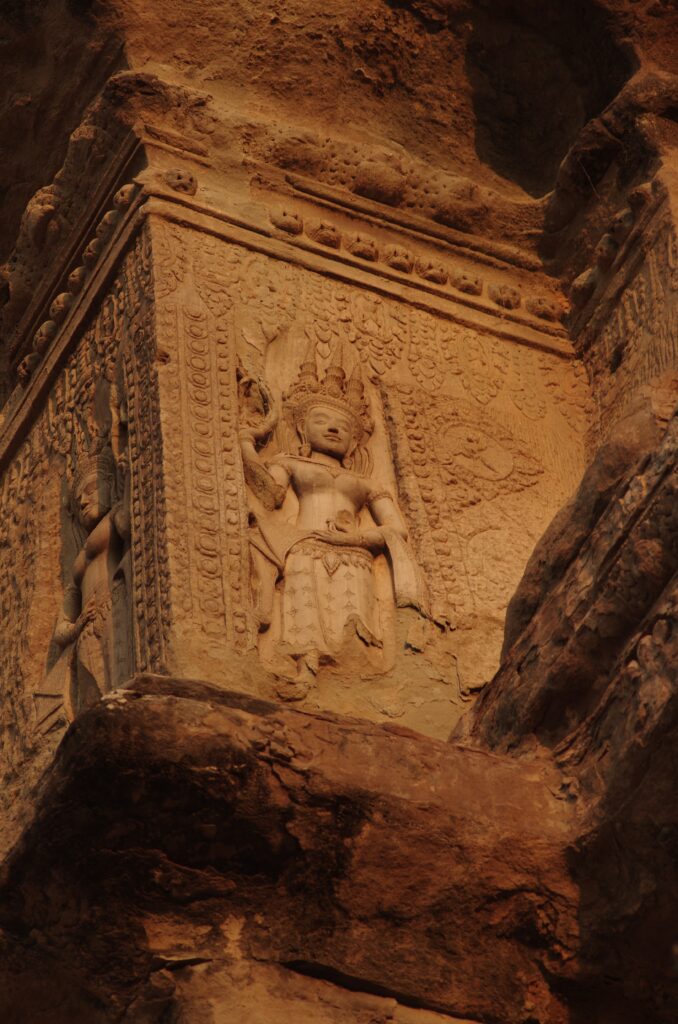
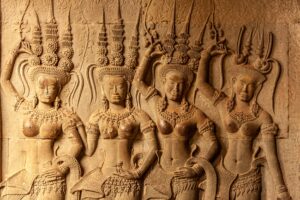
Angkor Wat showcases a fusion of Hindu and Buddhist architectural styles. The intricate carvings and sculptural elements depict scenes from Hindu mythology as well as Buddhist iconography. This blending of religious influences demonstrates the cultural exchange and religious evolution that took place during the Khmer Empire.
Unique Features of Angkor Wat
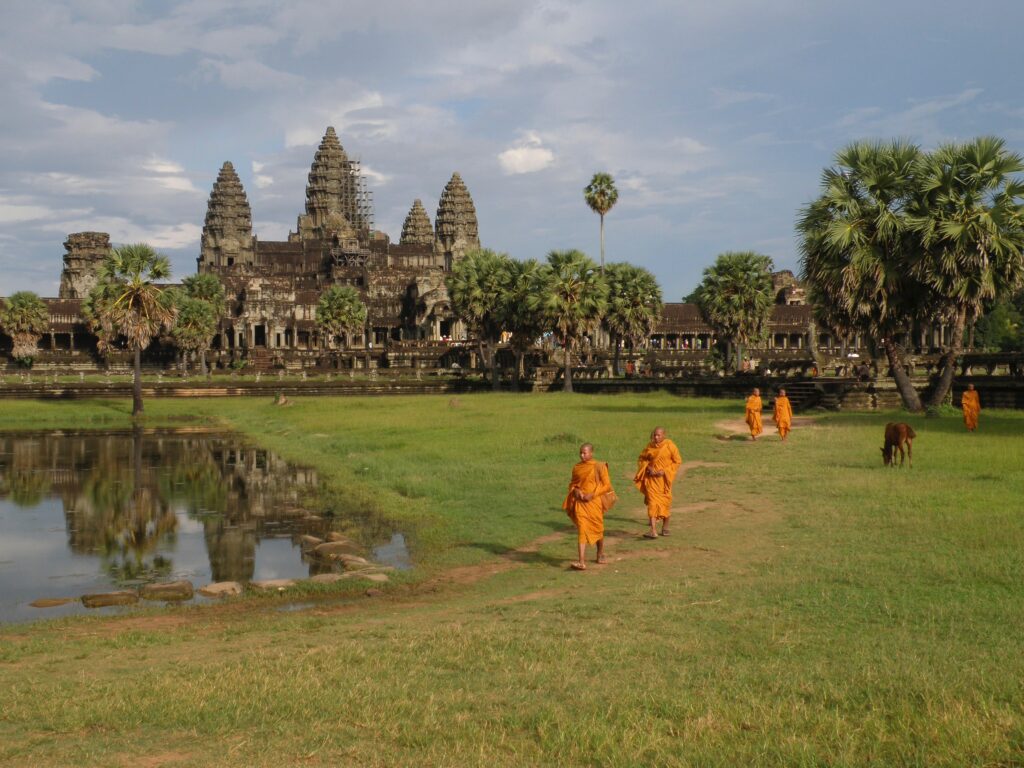
What makes Angkor Wat truly exceptional is its vast size and elaborate design. The temple complex spans over 400 acres and is surrounded by a moat. Its five towers, representing the sacred Mount Meru, are a prominent feature of the architecture. The intricate bas-reliefs carved into the walls and the elaborate causeway leading to the temple entrance are testaments to the artistic skill and attention to detail of the Khmer artisans.
Symbolism and Religious Significance
Angkor Wat’s architecture is packed with symbolism and religious significance. The precise alignment of the temple with specific celestial events, such as the spring equinox and the rising sun, highlights the temple’s spiritual purpose. The entire complex is designed to symbolize the cosmos and the journey from earthly existence to spiritual enlightenment.
Exploring the Temple Complex
Main Structures within Angkor Wat
Angkor Wat is divided into several key areas, each with its own distinct structures and architectural features. The central tower serves as the main sanctuary and is surrounded by galleries, prasats (towers), and courtyards. The outer walls are adorned with intricate bas-reliefs and carvings, depicting various stories from Hindu and Buddhist mythology.
Central Sanctuary
The central sanctuary is the heart of Angkor Wat. It is an intricately designed tower that houses the most sacred relics of the temple complex. The sanctuary’s inner chambers contain statues and altars dedicated to Hindu and Buddhist deities. Exploring this sacred space offers visitors a profound connection to the temple’s religious significance.
Gallery of Bas-Reliefs
The gallery of bas-reliefs is one of the most captivating features of Angkor Wat. It stretches along the outer walls of the temple and depicts intricate carvings of religious stories and historical events. These bas-reliefs provide a visual narrative of the Khmer Empire’s history, showcasing its cultural achievements and political power.
Towers and Prasats
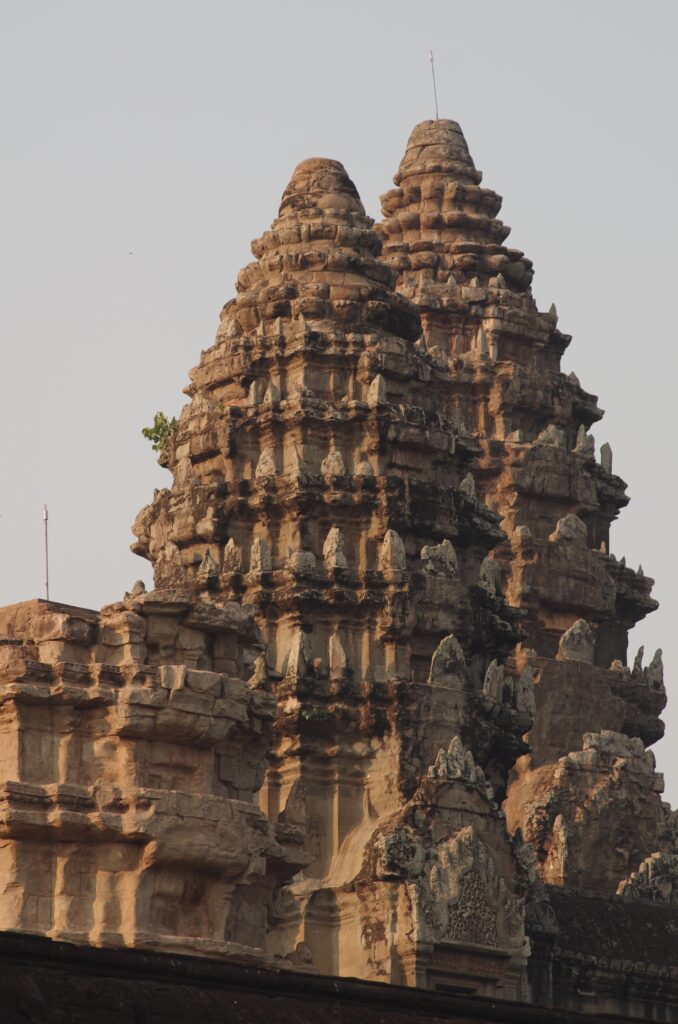
Angkor Wat is adorned with numerous towers and prasats, each with its unique design and purpose. The towers punctuate the skyline of the temple complex and represent the sacred Mount Meru. Climbing these towers offers panoramic views of the surrounding area and provides a sense of awe and wonder at the grandeur of Angkor Wat.
Moat and Causeway
The temple complex is surrounded by a vast moat, symbolizing the cosmic oceans that surround Mount Meru. Crossing the causeway over the moat is a mesmerizing experience, with the temple’s grand entrance gradually coming into view. The moat also serves as a reflective surface, enhancing the beauty of Angkor Wat during sunrise and sunset.
Sunrise and Sunset Views
Popular Spots for Sunrise Viewing
One of the most iconic experiences at Angkor Wat is witnessing the breathtaking sunrise over the temple complex. The best spots for sunrise viewing include the reflection pond near the entrance and the upper terraces of the temple. Arriving early in the morning allows you to secure a prime spot and witness the temple gradually bathed in golden sunlight.
Capturing the Majestic Sunrise
To capture the majestic sunrise at Angkor Wat, it is essential to come prepared with your camera equipment. Wide-angle lenses are ideal for capturing the entire temple complex, while telephoto lenses can be used to focus on specific details and architectural elements. Experimenting with different angles and exposures can help create truly mesmerizing photographs.
Sunset Viewing Experiences
While sunrise is a popular time to visit Angkor Wat, the temple complex is equally stunning at sunset. Watching the sun cast its warm glow over the ancient stones is a magical experience. The best spots for sunset viewing include the western side of the moat and the upper terraces of the temple. It is advisable to arrive early to secure a good spot and witness the stunning colors of the sunset.
Photography Tips
To capture the beauty of Angkor Wat through photography, it is important to pay attention to lighting conditions and composition. Early morning and late afternoon provide the best natural lighting for capturing the temple’s intricate details. Experimenting with different angles, perspectives, and exposure settings can help create unique and evocative images that truly showcase the grandeur of Angkor Wat.