Page Navigation
Imagine standing on the rim of a massive volcanic crater, gazing down into a world teeming with a breathtaking array of wildlife. That is what awaits you at the Ngorongoro Conservation Area in Tanzania. This UNESCO World Heritage site encompasses a sprawling expanse of land, where a unique ecosystem has flourished for centuries. From majestic lions and graceful zebras to the elusive black rhinos, the diversity of wildlife in this extraordinary location will leave you spellbound. Experience the unrivaled beauty of nature as you embark on an unforgettable journey in the heart of Africa’s Ngorongoro Conservation Area.
Location and Overview
Situated in Northern Tanzania
Located in the northern part of Tanzania, the Ngorongoro Conservation Area is truly a natural wonder. This captivating destination is nestled in the Great Rift Valley, providing a stunning backdrop for the awe-inspiring landscapes and diverse wildlife that call it home.
A UNESCO World Heritage Site
The Ngorongoro Conservation Area has been recognized for its immense cultural and natural importance by UNESCO. Designated as a World Heritage Site in 1979, it serves as a testament to the extraordinary beauty and ecological significance of this unique region.
Created from a collapsed volcano
Millions of years ago, a volcanic mountain towering above the African savannah stood tall in the Ngorongoro area. Over time, volcanic activities and internal pressures weakened its structure, eventually leading to a massive collapse. The result was the formation of a breathtaking caldera that spans an impressive 259 square kilometers.
Home to the world’s largest unbroken volcanic caldera
Within the Ngorongoro Conservation Area rests an incredible geographical marvel – the Ngorongoro Crater. This expansive crater is hailed as the largest unbroken volcanic caldera in the world. Spanning approximately 20 kilometers in diameter and plunging 600 meters deep, it presents visitors with a dramatic setting that supports a remarkable array of plant and animal life.
Geological Formation
Formation of the Ngorongoro Crater
The Ngorongoro Crater is the result of millions of years of geological processes. It began with intense volcanic activity that gradually built up layers of lava and ash, creating a towering mountain. Eruptions would occur periodically, shaping the landscape and increasing the height of the volcano.
Ancient volcanic activities
Volcanic activities in the Ngorongoro area date back millions of years. The region has been witness to a series of volcanic eruptions, which contributed to the unique geology that can be seen today. These activities have played a vital role in shaping the diverse ecosystems and fostering the abundance of wildlife found within the conservation area.
Volcano collapse and caldera formation
The collapse of the volcano that once stood where the Ngorongoro Crater is now caused a massive depression in the earth’s surface. This collapse, also known as a caldera formation, occurred around 2-3 million years ago. The resulting caldera, with its towering walls and expansive floor, is an unparalleled sight to behold.
Unique topography and geology
The topography and geology of the Ngorongoro Conservation Area are truly remarkable. The crater floor, known for its lush grasslands, woodlands, and the shimmering waters of Lake Magadi, contrasts beautifully with the rugged walls that surround it. The varied landscapes, along with the diverse rock formations and ancient lava flows, create a tapestry of natural beauty that is unparalleled.
Biodiversity and Wildlife
Diverse ecosystem
The Ngorongoro Conservation Area boasts an incredibly diverse ecosystem, creating a haven for a wide range of wildlife species. From the grassy plains of the crater floor to the dense forests on the crater walls, each habitat supports a unique array of plants and animals. The conservation area is truly a paradise teeming with life.
Abundance of wildlife species
For animal enthusiasts, the Ngorongoro Conservation Area is a dream come true. The area is home to an astounding number of wildlife species, ensuring that every visitor will have countless opportunities to marvel at the wonders of nature. From massive herds of wildebeest and zebra to graceful giraffes and majestic elephants, the conservation area provides a wildlife experience that is second to none.
Endangered and rare species
The Ngorongoro Conservation Area is not only a sanctuary for common wildlife; it is also home to several endangered and rare species. Among these are the critically endangered black rhinos, which find refuge within the crater walls. Sightings of these magnificent creatures are a testament to the conservation efforts that protect and preserve this fragile ecosystem.
Big Five: Elephant, Lion, Rhino, Leopard, Buffalo
The Ngorongoro Conservation Area is famous for being one of the few places on Earth where visitors have the opportunity to see the Big Five – elephant, lion, rhino, leopard, and buffalo. These iconic animals, each with its own unique charm and presence, can often be spotted during game drives and safari adventures within the conservation area.
Large concentration of predators
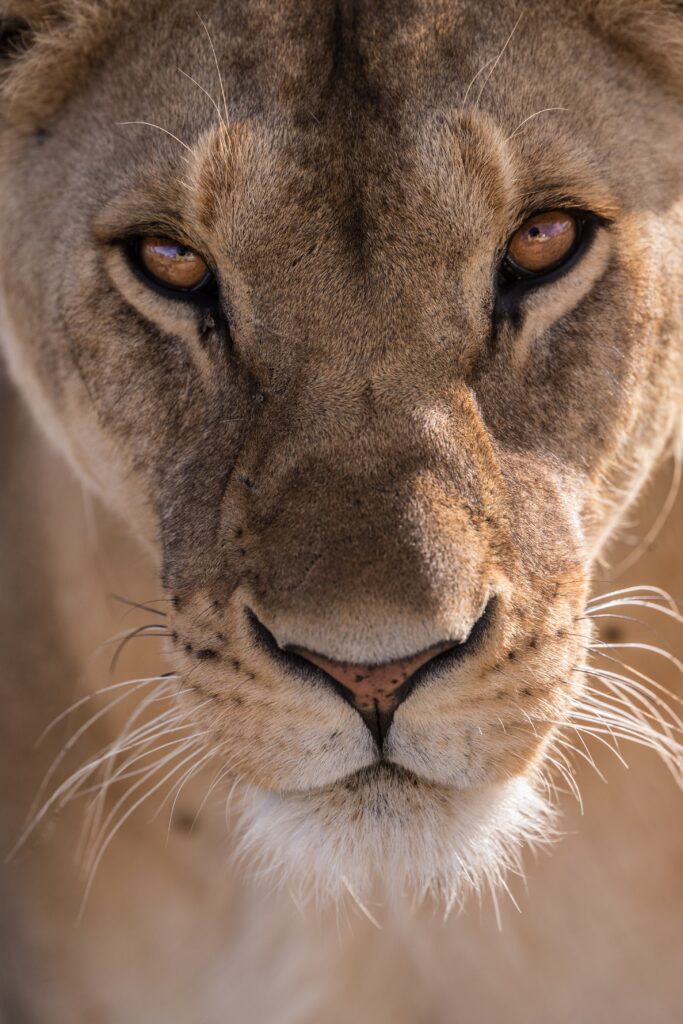
The abundance of prey species within the Ngorongoro Conservation Area makes it an ideal habitat for predators. Visitors can expect to encounter not only lions but also cheetahs, hyenas, and elusive leopards. Witnessing these majestic creatures in their natural environment, displaying their hunting skills and care for their young, is an unforgettable experience.
Birdlife and bird-watching opportunities
The Ngorongoro Conservation Area is not only a paradise for mammal lovers but also a haven for bird enthusiasts. With over 500 species of birds calling this region home, it offers incredible bird-watching opportunities. From colorful bee-eaters and graceful flamingos to majestic eagles and soaring vultures, the skies and landscapes of the conservation area come alive with the endless varieties of birdlife.
The Serengeti Connection
Close proximity to the Serengeti
One of the unique features of the Ngorongoro Conservation Area is its close proximity to the world-renowned Serengeti National Park. These two exceptional destinations are separated by an invisible boundary, allowing wildlife to move freely between the two. The close connection of these ecosystems creates an unparalleled wildlife experience for visitors.
Annual wildebeest migration
The Serengeti is famous for its annual wildebeest migration, described as one of the greatest wildlife spectacles on Earth. The Ngorongoro Conservation Area serves as a critical corridor for this awe-inspiring event, as millions of wildebeest, zebras, and other herbivores traverse the area in search of fresh grazing grounds. Witnessing the migration is an experience that will leave you in awe of nature’s grandeur.
Magnificent wildlife spectacle
When the wildebeest migration reaches the Ngorongoro Conservation Area, it transforms the already vibrant ecosystem into a truly magnificent spectacle. The rumbling hooves of the wildebeest, the dust cloud that hangs in the air, and the cries of predators in pursuit create an atmosphere of anticipation and excitement. Be prepared to witness nature’s drama unfold right before your eyes.
Interaction between the two ecosystems
The close connection between the Ngorongoro Conservation Area and the Serengeti has profound implications for both ecosystems. The movement of wildlife, particularly during the wildebeest migration, helps maintain the natural balance between predator and prey. It also encourages the exchange of genetic material, ensuring the long-term health and vitality of the wildlife populations in both areas.
Ecosystems within the Conservation Area
Ngorongoro Crater
The Ngorongoro Crater is the centerpiece of the conservation area, and it is a destination like no other. Descending down the crater walls, visitors are welcomed by a world unto itself. The crater floor, with its vast grasslands and glistening lake, is a thriving ecosystem that supports a plethora of wildlife species. Game drives across the crater provide an up-close and personal experience with the remarkable diversity of life within its boundaries.
Grasslands and woodlands
The conservation area extends beyond the boundaries of the Ngorongoro Crater, encompassing expansive grasslands and woodlands. These habitats are vital for a host of wildlife, including wildebeest, gazelles, and an array of bird species. Exploring these grassy plains and wooded areas offers a chance to witness the peaceful coexistence of various herbivores and the predators that rely on them for sustenance.
Lake Magadi and bird sanctuary
Nestled on the crater floor, Lake Magadi is a shimmering expanse of alkaline water that attracts a multitude of bird species. As one of the main attractions within the conservation area, Lake Magadi is not only a feast for the eyes but also a vital resource for flamingos and other water-dependent birds. Observing these graceful creatures against the stunning backdrop of the lake is a delight for bird enthusiasts.
Empakaai Crater and Olmoti Crater
Within the Ngorongoro Conservation Area lie two smaller craters, Empakaai Crater and Olmoti Crater. These hidden gems offer visitors a chance to explore lesser-known but equally captivating ecosystems. With their lush forests, picturesque lakes, and remarkable flora and fauna, these craters are a testament to the area’s immense biodiversity and natural beauty.
Ngorongoro Highlands
Surrounding the entirety of the conservation area are the Ngorongoro Highlands – a truly enchanting landscape. There is no shortage of breathtaking views and photo opportunities in this mountainous region. Coupled with the rich cultural heritage and the presence of the Maasai people, the Ngorongoro Highlands offer visitors a chance to immerse themselves in the beauty of nature and experience the vibrant traditions of the local communities.
Cultural Significance
Maasai people and their traditional livestock
The Ngorongoro Conservation Area not only showcases the splendor of Mother Nature but also serves as a cultural melting pot. The Maasai people, with their distinct way of life, have been coexisting harmoniously with wildlife for centuries. Known for their colorful attire, intricate beadwork, and deep connection to their livestock, the Maasai culture adds a unique and fascinating layer to the conservation area.
Cultural interactions and tourism
Visitors to the Ngorongoro Conservation Area have the opportunity to engage in meaningful cultural interactions with the Maasai people. This includes visiting traditional villages, learning about Maasai customs, and witnessing age-old ceremonies and dances. Such interactions provide insights into the rich cultural heritage of the region and foster a deeper appreciation for the intrinsic connection between people and nature.
Preserving Maasai heritage and traditional practices
The conservation area plays a vital role in preserving the Maasai heritage and traditional practices. By promoting sustainable tourism practices and creating platforms for cultural exchange, it ensures that the Maasai people can continue to pass down their traditions and celebrate their way of life for generations to come. Such efforts contribute to the preservation of the area’s cultural identity and the sustainable development of the local communities.
Activities and Attractions
Safari drives in the Ngorongoro Crater
Embarking on a safari drive in the Ngorongoro Crater is an absolute must for any visitor to the conservation area. The unique topography, coupled with the abundance of wildlife, makes for an unforgettable safari experience. Keep your camera at the ready as you navigate the crater floor, encountering magnificent animals at every turn. From the majestic elephants and lions to the graceful giraffes and elusive leopards, every moment presents an opportunity to capture incredible memories.
Hiking and nature walks
For those seeking a more immersive and active experience, the Ngorongoro Conservation Area offers a variety of hiking and nature walk options. Explore the trails that wind through the Ngorongoro Highlands, reveling in the breathtaking panoramas that surround you. Along the way, encounter unique plant species, spot smaller wildlife, and learn about the fascinating ecosystems that make this region so special.
Visit to Olduvai Gorge
History enthusiasts and those with a thirst for knowledge will find the visit to Olduvai Gorge a captivating experience. Known as the “Cradle of Humankind,” this archaeological site has led to groundbreaking discoveries about the evolution and origins of early humans. Take a step back in time as you explore the fossil-rich deposits and engage with the exhibits that showcase the area’s historical significance.
Hot air balloon safaris
For a truly once-in-a-lifetime experience, consider taking a hot air balloon safari over the Ngorongoro Conservation Area. As you soar above the stunning landscapes and wildlife-rich habitats, you will gain a unique perspective on this extraordinary region. The tranquility of the balloon ride, coupled with the awe-inspiring vistas, creates a sense of wonder that is truly unmatched.
Maasai cultural experiences
Immerse yourself in the vibrant Maasai culture by participating in cultural experiences offered within the conservation area. Visit a traditional Maasai village, interact with the locals, and gain a deeper understanding of their way of life. From trying your hand at traditional Maasai dances to learning about their time-honored handicrafts, these experiences provide a profound appreciation for the rich cultural tapestry of the Ngorongoro Conservation Area.
Photography opportunities
With its stunning landscapes, diverse wildlife, and vibrant cultural heritage, the Ngorongoro Conservation Area is a paradise for photographers. Whether it’s capturing the golden sunrise over the crater rim, zooming in on the intricate details of a lion’s mane, or freezing a moment of Maasai cultural celebration, every corner of this extraordinary destination offers a chance to capture stunning images that will forever immortalize your journey.
Conservation Efforts
Preserving the fragile ecosystem
Preserving the fragile ecosystem of the Ngorongoro Conservation Area is of paramount importance. By implementing rigorous conservation measures, such as strict wildlife management plans, enforcement of anti-poaching efforts, and ecological monitoring, the area strives to maintain the delicate balance between humans and nature. These conservation efforts ensure that future generations can continue to experience the wonders of this unique destination.
Sustainable tourism practices
The conservation area embraces sustainable tourism practices as a means of safeguarding its natural and cultural treasures. This includes limiting visitor numbers, promoting responsible wildlife viewing, and supporting community-based initiatives that provide economic incentives for the local communities to engage in sustainable practices. By treading lightly on the land and supporting environmentally conscious operations, visitors can contribute to the long-term preservation of the area.
Conservation challenges and initiatives
While significant progress has been made in conservation efforts, the Ngorongoro Conservation Area also faces numerous challenges. These include habitat degradation, conflicts between humans and wildlife, and the impacts of climate change. To address these challenges, various initiatives are being undertaken, such as community-based conservation projects, reforestation efforts, and educational programs. These initiatives aim to mitigate the threats facing the conservation area and ensure its long-term sustainability.
Best Time to Visit
Climatic variations and seasons
The Ngorongoro Conservation Area experiences distinct climatic variations throughout the year, influencing the behavior of wildlife and the overall visitor experience. The dry season, which falls between June and October, is a popular time to visit, as it offers excellent wildlife viewing opportunities and milder temperatures. The wet season, occurring between November and May, brings lush vegetation, newborn animals, and breathtaking landscapes, making it an equally rewarding time to explore the area.
Migratory patterns of wildlife
Understanding the migratory patterns of wildlife can greatly enhance your visit to the Ngorongoro Conservation Area. The annual wildebeest migration is a highlight and should be taken into consideration when planning your trip. While the exact timing can vary, the migration typically takes place from December to July, with the herds traversing the conservation area between January and April. Witnessing this epic journey is an experience that every nature lover should have on their bucket list.
Factors to consider for optimal visit
To ensure an optimal visit to the Ngorongoro Conservation Area, it is important to consider several factors. These include personal preferences, specific wildlife sightings you hope to capture, and your tolerance for different weather conditions. Consulting with experienced tour operators and considering expert advice can help you plan a trip that aligns with your interests and ensures a memorable and fulfilling experience.
Accommodation and Facilities
Lodges and luxury tented camps
The Ngorongoro Conservation Area offers a range of accommodation options to suit every preference and budget. From luxurious lodges perched on the crater rim, offering breathtaking views of the caldera, to exclusive tented camps nestled within the wilderness, visitors are spoiled for choice. These accommodations provide not only a comfortable base from which to explore the area but also an opportunity to immerse yourself in the natural splendor and tranquility of the conservation area.
Camping options
For those seeking a more authentic and immersive experience, camping is a fantastic option within the Ngorongoro Conservation Area. Several campsites, both public and private, are available for visitors to set up their tents and truly connect with nature. Falling asleep to the sounds of the African bush and waking up to the crisp morning air are experiences that will undoubtedly leave you with cherished memories.
Visitor centers and facilities
Throughout the Ngorongoro Conservation Area, visitor centers provide essential facilities to enhance the overall experience of visiting the area. These centers offer information about the various ecosystems, wildlife species, and cultural heritage. They also provide amenities such as picnic areas, restrooms, and dining facilities. Visitor centers are a valuable resource for gaining insights into the conservation efforts and marveling at the wonders of this exceptional destination.
In conclusion, the Ngorongoro Conservation Area in Tanzania is a breathtaking destination that offers a remarkable wildlife experience amidst the backdrop of a collapsed volcano. From the diversity of plant and animal life within the Ngorongoro Crater to the close proximity to the Serengeti and its annual wildebeest migration, this cherished UNESCO World Heritage Site is a testament to the wonders of nature. With its unique topography, rich cultural heritage, and commitment to conservation, the Ngorongoro Conservation Area invites visitors to embark on an unforgettable journey filled with awe-inspiring landscapes, captivating wildlife, and meaningful cultural experiences. So whether you’re a nature lover, wildlife enthusiast, or cultural explorer, the Ngorongoro Conservation Area beckons you to discover its boundless beauty and create memories that will last a lifetime.