Page Navigation
Immerse yourself in the charm and allure of the Carnival of Venice, Italy, as you embark on a journey filled with elegance and mystique. One of the most famous and enchanting events in the world, the Carnival of Venice captivates visitors with its intricate Venetian masks, opulent costumes, and mesmerizing atmosphere. Step into a world of extravagance, where tradition meets creativity, and get ready to be swept away by the vibrant festivities and the unmistakable sense of artistry that permeates every corner of this timeless celebration.
History of the Carnival of Venice
Origins and early celebrations
The Carnival of Venice has a rich and storied history that dates back several centuries. It is believed to have originated in the 11th century as a celebration of victory over the patriarch of Aquileia. The earliest documented mention of the carnival dates back to 1268, when the Senate of Venice declared the day before Lent as an official holiday.
In its early years, the carnival provided an opportunity for people from all walks of life to come together and indulge in a period of merrymaking and revelry. The festival quickly gained popularity and became an integral part of Venetian culture. The celebrations were known for their opulence, with elaborate costumes, extravagant balls, and luxurious masquerades taking center stage.
Revival and modern-day traditions
The Carnival of Venice experienced a decline in the 18th century with the fall of the Venetian Republic. However, it was revived in 1979 with the aim of preserving the cultural heritage of Venice. Today, the carnival attracts visitors from all over the world, with its grandeur and elegance continuing to captivate audiences.
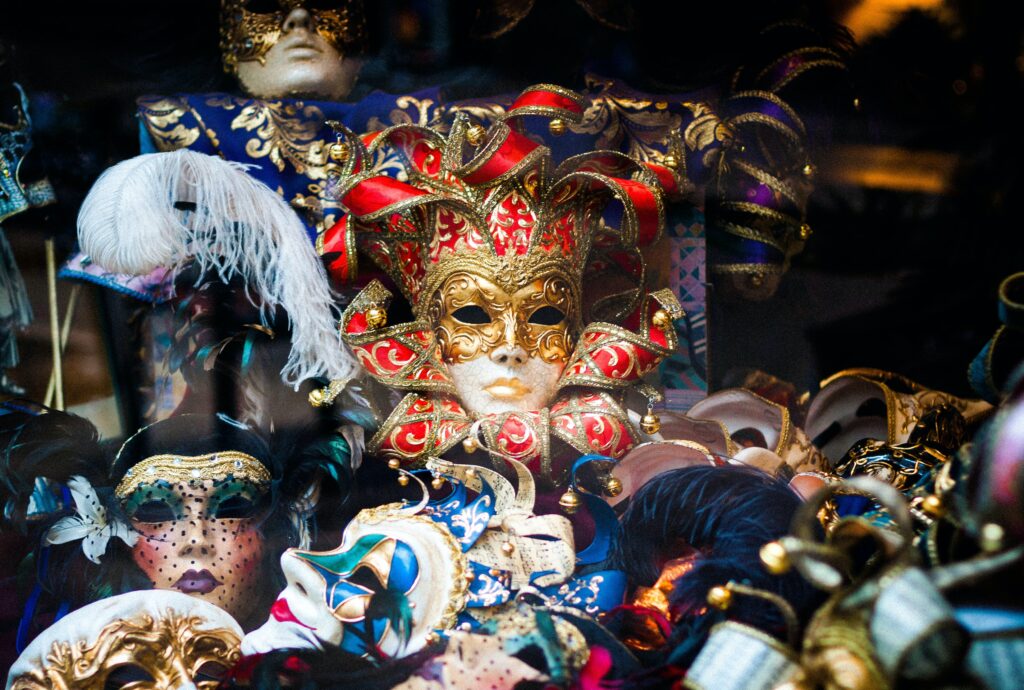
Modern-day carnival celebrations in Venice are characterized by a series of events and activities that showcase the city’s rich history and artistic traditions. A highlight of the carnival is the stunning Venetian masks that are worn by participants. These masks, adorned with intricate designs and vibrant colors, play a significant role in the festivities and hold deep symbolic meaning.
Significance of Venetian Masks
Symbolism and historical use
Venetian masks have a long and fascinating history that can be traced back to ancient times. They were originally used during the Roman era to enable individuals to shed their social status and freely express themselves. The masks provided a sense of anonymity, allowing people to engage in various activities without fear of judgment or repercussion.
Throughout history, Venetian masks have been associated with secrecy, intrigue, and liberation. They were often worn during political gatherings, where people could voice their opinions without fear of reprisal. The masks also played a role in the city’s notorious reputation for illicit affairs and secret rendezvous.
Role in the Carnival of Venice
The Carnival of Venice is synonymous with the Venetian mask. It is during this time that the masks take on a prominent role, allowing participants to become someone else for a brief period. The masks serve as a means of self-expression and provide a sense of freedom to embrace different personas and indulge in uninhibited revelry.
During the carnival, individuals don elaborate masks and costumes, creating a sense of mystique and grandeur. The masks are intricately designed, with each one reflecting a unique character or personality. They embody the essence of Venetian culture and play a crucial role in the celebration of the carnival.
Types of Venetian Masks
15th-century masks: Bauta and Moretta
The Bauta and Moretta are two iconic types of Venetian masks that originated in the 15th century. The Bauta is a mask that covers the entire face, allowing the wearer to speak, eat, and drink without removing it. It is characterized by a square jawline, a prominent nose, and no mouth opening. The Bauta was traditionally worn by both men and women and is often associated with the Venetian noble class.
On the other hand, the Moretta is a mask that covers only the upper part of the face. It is oval-shaped, and unlike the Bauta, it has no mouth opening. The Moretta was often worn by women and was secured to the face using a button held between the wearer’s lips. This unique feature prevented the wearer from speaking, adding an air of mystery and intrigue to the mask.
Commedia dell’arte masks: Arlecchino and Pantalone
Commedia dell’arte masks hold a special place in Venetian mask history. These masks originated in the 16th century and were associated with the popular theatrical form of Commedia dell’arte. Two notable masks from this tradition are Arlecchino (also known as Harlequin) and Pantalone.
Arlecchino is a half-mask characterized by its diamond-shaped patterns and sharp features. It represents a mischievous character known for his acrobatic antics and wit. Pantalone, on the other hand, is a full-face mask with a long, pointed nose. It symbolizes a wealthy and stingy Venetian merchant, often depicted as an elderly man with a lust for money.
Character masks: Dama and Gnaga
Character masks are another significant type of Venetian masks that are often seen during the Carnival. These masks represent specific personas and are meant to embody different archetypes or stereotypes. Two popular character masks are Dama and Gnaga.
The Dama mask represents a noblewoman and is known for its elegant and regal appearance. It typically features delicate patterns, intricate designs, and often incorporates feathers, lace, or jewels for added embellishment. In contrast, the Gnaga mask represents a young country girl. It is characterized by a youthful and innocent appearance, often adorned with flowers and pastel colors.
Making Venetian Masks
Traditional techniques and materials
The process of making Venetian masks is a highly skilled and intricate craft that has been passed down through generations. Traditional mask-making techniques involve several stages, including molding the base, shaping the mask, and applying intricate decorations.
The base of the mask is typically made using a mixture of glue, stucco, and paper. The mask maker then shapes the base using different tools, such as scissors and chisels, to create the desired design. Once the base is complete, the mask is left to dry and harden.
Artisans then apply layers of gesso to the mask, a mixture of gypsum and glue, to create a smooth surface. Afterward, the mask is painted with vibrant colors and decorated with various materials such as feathers, sequins, and jewels.
Artisans and their workshops
Venetian mask-making is a traditional artisan craft that has been practiced for centuries. Today, there are still a handful of skilled artisans who continue to keep the craft alive. These artisans often work in their workshops, which serve as creative spaces where they can design, mold, and paint their masks.
Visiting a mask-making workshop provides a unique opportunity to witness the traditional techniques firsthand. Visitors can observe the intricate process, interact with the artisans, and even purchase a mask directly from the source. It is a chance to support local artisans and bring a piece of Venetian history and artistry home.
Mask customization and modern innovations
While traditional techniques remain at the heart of Venetian mask-making, modern innovations have also made their way into the craft. Today, mask makers often offer customized designs, allowing customers to personalize their masks according to their preferences.
From selecting specific colors and patterns to incorporating unique materials and embellishments, individuals can create a mask that truly reflects their personality. This customization adds a contemporary twist to the traditional art form, allowing individuals to showcase their creativity and individuality through their very own Venetian masterpiece.
Venetian Mask-Making Workshops and Classes
Learning the ancient craft
For those who wish to delve deeper into the world of Venetian mask-making, participating in a mask-making workshop or class is a unique and immersive experience. These workshops are often conducted by skilled artisans who teach the traditional techniques and guide participants through the process of creating their own mask.
Participants get a hands-on experience of working with materials such as stucco, paper, and paint. They learn about the history and symbolism behind each mask type and gain insight into the artistry and craftsmanship involved in creating these intricate pieces. It is an opportunity to learn from experts and develop a deeper appreciation for Venetian culture and tradition.
Creating your own Venetian masterpiece
Taking part in a mask-making workshop allows individuals to create their own Venetian masterpiece. Participants can unleash their creativity and bring their unique vision to life as they mold, shape, and decorate their masks.
The process encourages self-expression and provides a sense of accomplishment as participants see their masks evolve and take form. Not only does it offer a memorable and immersive experience, but it also serves as a tangible reminder of the time spent in Venice and the rich cultural heritage associated with the Carnival.
Events and Activities during the Carnival of Venice
Mask parades and processions
The Carnival of Venice is famous for its vibrant and lively mask parades and processions. These events showcase the creativity and artistry of the participants as they don their stunning masks and costumes and parade through the streets of Venice.
During the parades, participants display a wide range of mask types, from the traditional Bauta and Moretta to the whimsical character masks. The atmosphere is filled with excitement and anticipation as spectators marvel at the intricate designs and elaborate costumes. It is an opportunity to witness the magic of the carnival up close and celebrate the spirit of the festival.
Best costume contests and masquerade balls
Masquerade balls are an integral part of the Carnival of Venice and are known for their elegance and sophistication. These formal events offer participants the chance to dress in their finest attire and showcase their carefully crafted masks.
The balls often feature live music, dancing, and entertainment, creating an enchanting ambiance reminiscent of the Venetian aristocracy. Best costume contests are also held, allowing participants to compete for various prizes and accolades. These events provide an opportunity for individuals to immerse themselves in the grandeur and allure of the Venetian carnival and create lasting memories.
Street performances and musical extravaganzas
In addition to parades and balls, the Carnival of Venice offers a wide range of street performances and musical extravaganzas. Throughout the city, street artists captivate audiences with their mesmerizing acts, including jugglers, acrobats, and musicians.
Venice comes alive with the sounds of music during the carnival, with concerts and performances held in various venues across the city. From classical music and opera to traditional Venetian folk performances, there is something for every musical taste. These events add to the festive atmosphere and create a sense of joy and celebration that permeates the city during the carnival.
Exploring the Carnival of Venice
Getting to Venice
Venice is well connected to major cities in Italy and Europe, making it easily accessible for travelers. The city is served by several airports, including Venice Marco Polo Airport, which is located on the mainland. From the airport, visitors can take a shuttle bus or a taxi to reach the city center.
For those traveling by train, Venice has two main train stations: Venezia Santa Lucia and Venezia Mestre. Trains from major Italian cities such as Rome, Florence, and Milan connect to these stations, making Venice easily accessible by rail.
Navigating the city during the carnival
Venice is best explored on foot, as the city is famous for its intricate network of canals and narrow streets. During the carnival, the city can be bustling with tourists and participants, making navigation a bit more challenging. However, with a bit of planning and a sense of adventure, exploring Venice during the carnival can be an unforgettable experience.
It is advisable to arrive early to popular events and locations, as crowds tend to gather quickly. Additionally, purchasing a map or using a navigation app can be helpful in finding specific venues and avoiding getting lost in the maze-like streets of Venice. Taking breaks from the crowded areas and exploring off-the-beaten-path locations can also provide a peaceful respite from the hustle and bustle of the carnival.
Must-visit locations for carnival enthusiasts
Venice is filled with enchanting locations that perfectly capture the essence of the carnival. Some of the must-visit places for carnival enthusiasts include St. Mark’s Square (Piazza San Marco), where many of the festivities take place. The square is a hub of activity during the carnival, with parades, performances, and costume contests delighting visitors.
Another must-see location is the Arsenal, once the heart of Venice’s naval power. During the carnival, the Arsenal serves as a venue for various events and performances, showcasing the city’s rich history and vibrant culture.
Additionally, exploring the narrow streets and canals of Venice during the carnival can lead to hidden gems and unexpected discoveries. Each corner of the city holds its own charm and allure, providing countless opportunities to immerse oneself in the magic of the carnival.
Tips for Enjoying the Carnival of Venice
Choosing the perfect Venetian mask
With a wide variety of Venetian masks available, choosing the perfect one can seem daunting. It is essential to take into consideration personal style, comfort, and the intended purpose of the mask.
For those looking for a traditional and versatile option, the Bauta mask is a popular choice. It covers the entire face and allows for easy conversation and eating. The Bauta’s simplicity and elegance make it suitable for various events and occasions.
Those seeking a mysterious and seductive look may opt for the Moretta mask. This mask covers only the upper part of the face, adding an air of intrigue and allure to the wearer. The Moretta’s unique and feminine design makes it a favorite among women.
The choice of materials and decorations should also be considered. Feather embellishments can add a touch of luxury and sophistication, while sequins and jewels can create a more glamorous look. Ultimately, the perfect mask is one that reflects the wearer’s personality and enhances their overall carnival experience.
Dressing up for the carnival
The Carnival of Venice is an opportunity to dress in elaborate and glamorous costumes. Participants often opt for period-inspired outfits that complement their chosen mask. From Renaissance gowns and powdered wigs to brocade suits and capes, the possibilities for costume choices are endless.
It is important to consider the weather and the demands of the day when selecting a costume. The carnival takes place during the winter months, and Venice can be quite chilly. Therefore, layering costumes and incorporating warm accessories, such as shawls or cloaks, is advisable.
Comfortable and sturdy footwear is also essential, as Venice’s streets can be uneven and crowded. It is important to choose shoes that will allow for long hours of walking and standing without causing discomfort. Additionally, keeping in mind that the carnival can be quite festive and crowded, wearing a costume that is easy to move in and not overly restrictive is recommended.
Etiquette and traditions to follow
The Carnival of Venice has its own set of traditions and etiquette that participants should be aware of. Respect for fellow participants and cultural heritage is paramount.
Taking photographs of the stunning masks and costumes is a common practice. However, it is essential to seek permission before capturing someone’s image. Some participants may prefer not to have their picture taken, and it is important to respect their wishes.
Additionally, maintaining a respectful distance from participants and spectators is advised. It is courteous to take cues from others and adhere to personal boundaries. Travelers should also be mindful of the cultural significance of the carnival and approach it with a sense of reverence and appreciation.
The Magic of the Venetian Carnival in Photos
Capturing the essence of the carnival
The Carnival of Venice is a visual feast for the eyes, and capturing its beauty in photos is a popular pastime for visitors. The elaborate masks, intricate costumes, and stunning backdrops provide endless opportunities for breathtaking photography.
Photographers should make an effort to capture the details of the masks and costumes, focusing on the vibrant colors and intricate designs. The use of natural light can also enhance the mood and create stunning effects. Shooting during the golden hours, either early in the morning or late in the afternoon, can result in photographs with a warm and dreamy ambiance.
Additionally, exploring different angles and compositions can help capture the essence of the carnival. Getting down to eye level with participants or shooting from interesting vantage points can add a unique perspective to the photographs. It is also important to be patient and observant, waiting for the perfect moment to capture an evocative expression or a candid interaction.
Iconic Venetian mask designs and costumes
A significant part of the magic of the Carnival of Venice lies in the iconic designs of the Venetian masks and costumes. Photographers can focus on capturing the exquisite details of the masks, such as the delicate patterns, vivid colors, and intricate embellishments. Close-up shots that highlight the craftsmanship and artistry involved in creating these masks can truly bring them to life in photographs.
Furthermore, capturing the interaction between participants can produce compelling images. Candid shots of friends or couples dressed in matching or contrasting costumes can evoke a sense of camaraderie and celebration. The masks can also serve as a tool for storytelling, showcasing the transformation and theatrics that unfold during the carnival.
Ultimately, capturing the magic of the Venetian Carnival in photos allows one to relive the enchantment and elegance long after the event has ended. It is an opportunity to preserve memories and share the beauty and allure of the carnival with others.
Carnival of Venice: Beyond Masks and Festivities
Discovering Venetian culture and cuisine
While the Carnival of Venice is known for its masks and festivities, it also offers an opportunity to explore the rich cultural heritage and culinary delights of the city.
Venice is home to numerous museums and art galleries that showcase the city’s artistic and historical treasures. From the Peggy Guggenheim Collection, which houses an extensive collection of modern art, to the Doge’s Palace, a masterpiece of Gothic architecture, there is something for every art enthusiast.
For food lovers, a visit to the Rialto Market is a must. This bustling market offers an array of fresh seafood, fruits, vegetables, and other local delicacies. Trying traditional Venetian dishes such as seafood risotto, Sarde in Saor (sweet and sour sardines), and fritto misto (mixed fried seafood) is essential to fully immerse oneself in the flavors of Venetian cuisine.
Exploring the canals and landmarks of Venice
Beyond the carnival, Venice is a city known for its picturesque canals and iconic landmarks. Exploring the maze-like streets and navigating the intricate network of canals is an adventure in itself.
A gondola ride along the Grand Canal or through the smaller waterways allows visitors to take in the breathtaking architecture and unique charm of the city. Passing under the iconic Rialto Bridge or gliding past elegant palazzos creates a sense of romance and enchantment that Venice is famous for.
Visiting landmarks such as St. Mark’s Basilica and the Bridge of Sighs provides insight into the city’s history and architectural splendor. These iconic landmarks are a testament to Venice’s past glory and serve as a reminder of the city’s enduring allure.
In conclusion, the Carnival of Venice is a celebration of art, culture, and tradition that has captivated audiences for centuries. From its origins in the 11th century to its modern-day revival, the carnival continues to astound with its elegance and mystique. The Venetian masks, with their symbolism and intricate designs, play a central role in the festivities, allowing participants to embrace various personas and indulge in the magic of the carnival. Whether exploring the city, partaking in mask-making workshops, or capturing the essence of the carnival in photographs, the experience of the Carnival of Venice is truly enchanting and unforgettable.