Page Navigation
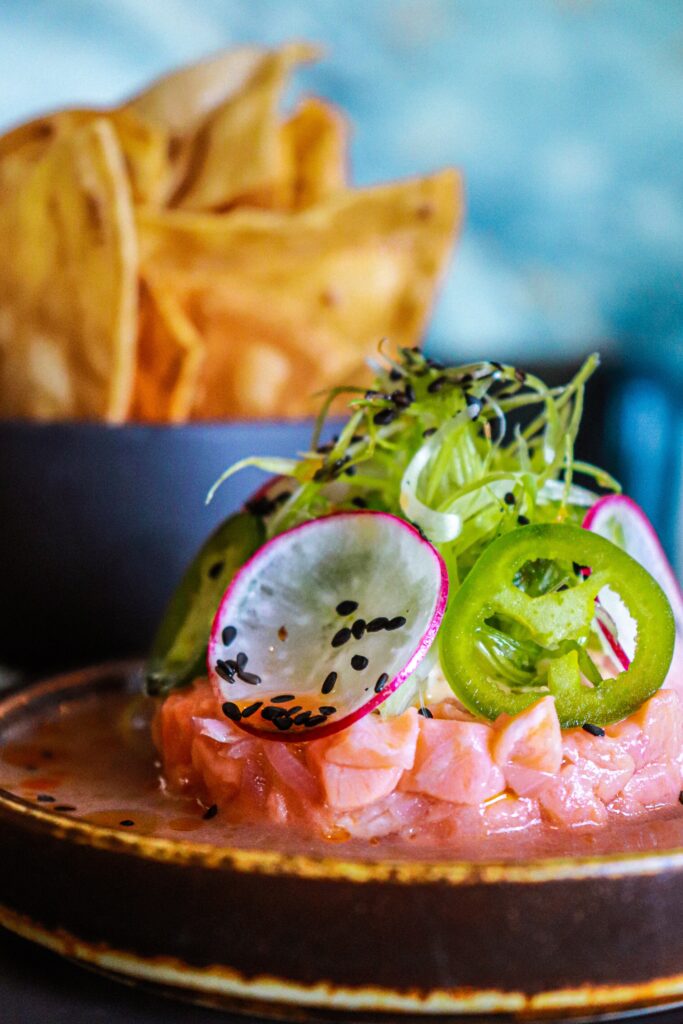
When it comes to experiencing the authentic flavors of Tuscan cuisine, Florence, Italy is the ultimate destination. From delectable pasta dishes to hearty ribollita soup and irresistible gelato, this vibrant city offers a gastronomic adventure like no other. Whether you’re a food enthusiast eager to indulge your taste buds or simply looking to savor the rich culinary traditions of Tuscany, Florence is a haven for all food lovers. Get ready to embark on a mouthwatering journey through the streets of this picturesque city, where every bite tells a story of tradition, passion, and culinary excellence.

Florence, Italy: Experience Tuscan Classics Like Pasta, Ribollita, And Gelato.
Florence, the capital city of Italy’s Tuscany region, is a culinary paradise for food lovers. With its rich history, vibrant culture, and stunning architecture, Florence offers a wide array of exquisite dishes that showcase the best of Tuscan cuisine. From the heart-warming pasta dishes to the hearty ribollita soup and the delectable gelato, Florence has something to offer for every palate.
Overview of Florence
Introduction to Florence
Florence, or Firenze in Italian, is a city that exudes beauty and elegance. Nestled in the heart of Tuscany, Florence is renowned for its Renaissance art and architecture, boasting iconic landmarks such as the Florence Cathedral and the Ponte Vecchio. The city’s charming streets and captivating atmosphere make it a popular destination for tourists from around the world.
Historical Significance
Steeped in history, Florence was a major center of medieval European trade and finance. It flourished during the Renaissance period, becoming a hub for artists, scientists, and scholars. The Medici family, prominent patrons of the arts, played a significant role in shaping the city’s cultural heritage. Today, Florence’s historic center is a UNESCO World Heritage site that preserves its rich history.
Art and Architecture
Florence is a living museum, showcasing masterpieces from some of the world’s greatest artists. The Galleria degli Uffizi is home to an extensive collection of Renaissance art, including works by Botticelli and Leonardo da Vinci. The iconic Florence Cathedral, with its stunning dome designed by Brunelleschi, is a testament to the city’s architectural brilliance.
Famous Landmarks
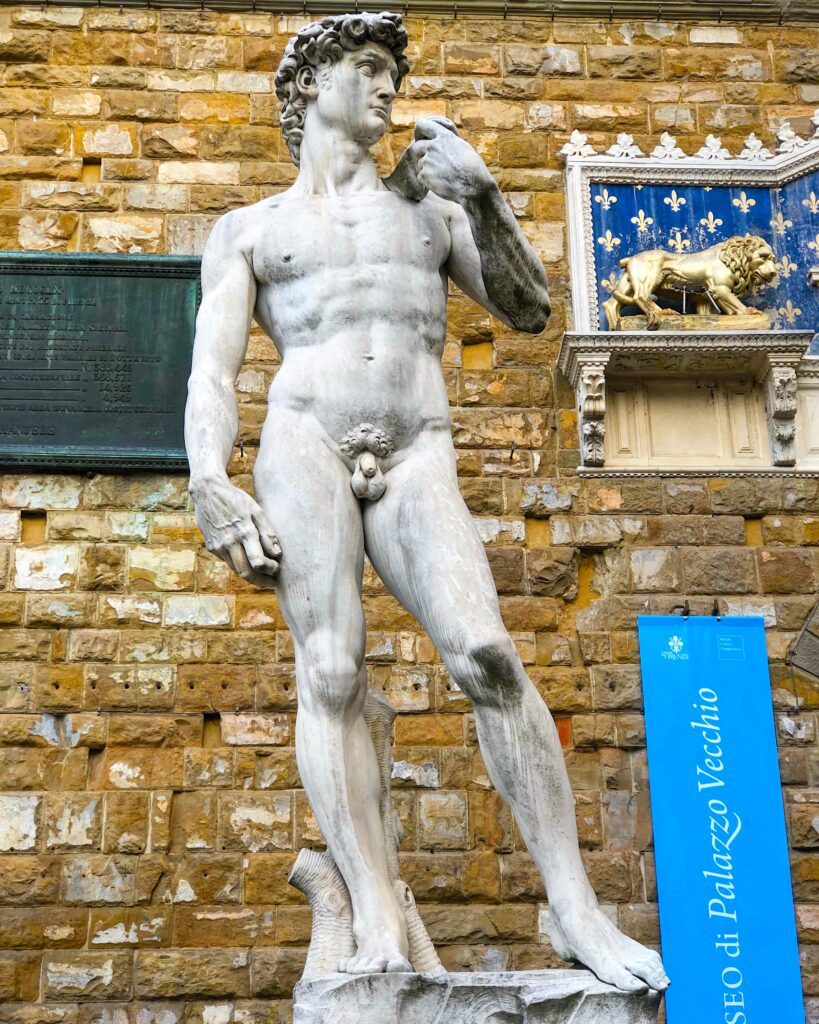
Florence boasts numerous famous landmarks that draw visitors from far and wide. The Ponte Vecchio, a medieval bridge over the Arno River, is known for its cluster of charming jewelry shops. The Palazzo Vecchio, with its imposing tower, serves as the town hall and offers panoramic views of the city. The Boboli Gardens, located behind the Palazzo Pitti, provide a serene escape from the bustling city streets.
Local Culture and Traditions
Florence is a city that celebrates its cultural heritage through various festivals and traditions. The Calcio Storico, an ancient form of football, is a unique sporting event that takes place annually in the city’s historic center. The Scoppio del Carro, or the Explosion of the Cart, is a tradition dating back to the Crusades, where a cart filled with fireworks is ignited to bring good luck for the harvest.
Culinary Delights in Florence
Tuscan Cuisine
Tuscan cuisine is renowned for its simplicity, relying on high-quality ingredients to create flavorful dishes. The region’s fertile soil provides an abundance of fresh produce, while its rich culinary traditions have been passed down through generations. Tuscan cuisine emphasizes the use of local and seasonal ingredients, resulting in dishes that are both satisfying and nutritious.
Florentine Specialties
Florence is known for its unique Florentine specialties that showcase the city’s culinary expertise. One such specialty is the Bistecca alla Fiorentina, a succulent T-bone steak cooked over an open flame and seasoned simply with salt, pepper, and a drizzle of olive oil. Another classic Florentine dish is the lampredotto, a street food favorite made from the fourth stomach of a cow, served in a flavorful broth or as a sandwich.
Food and Wine Pairings
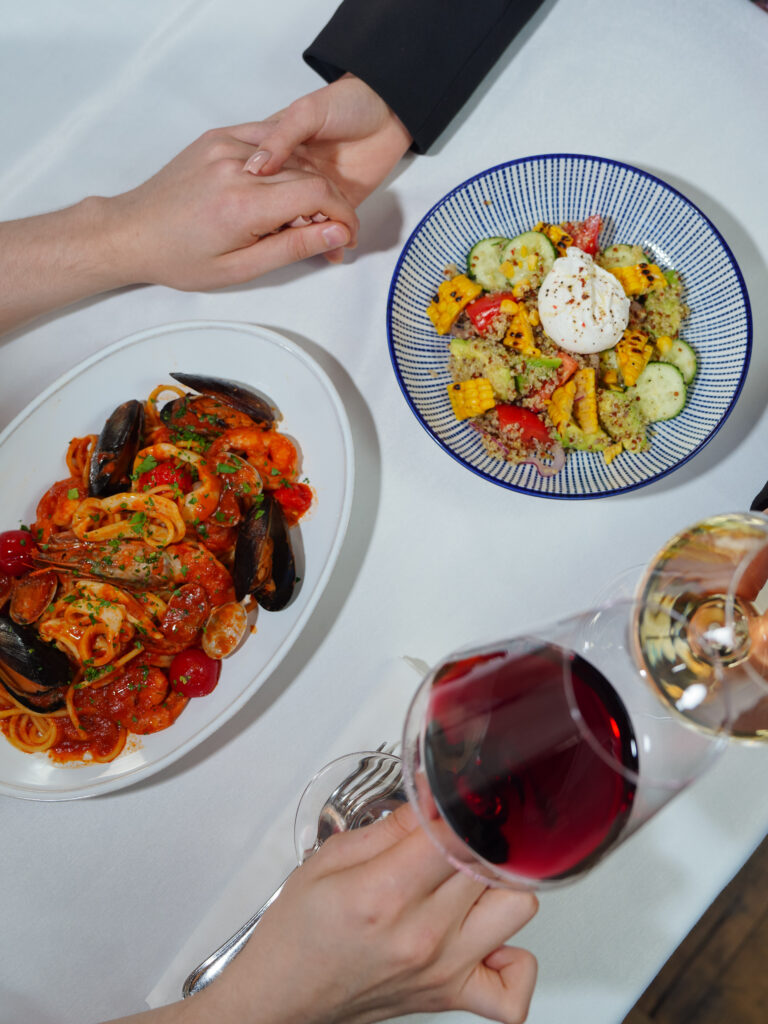
No culinary experience in Florence is complete without indulging in the perfect food and wine pairing. Tuscan wines, such as Chianti and Brunello di Montalcino, pair exceptionally well with the region’s hearty dishes. Rich red wines complement the robust flavors of dishes like Bistecca alla Fiorentina, while crisp white wines, such as Vernaccia di San Gimignano, pair perfectly with seafood and pasta dishes.
Importance of Fresh Ingredients
Fresh ingredients are at the heart of Tuscan cuisine, and Florence is no exception. Local markets, such as the Central Market of San Lorenzo and Sant’Ambrogio Market, offer a wide selection of fresh produce, artisanal cheeses, and cured meats. Florentine chefs take pride in sourcing the finest ingredients, ensuring that each dish bursts with natural flavors.
Culinary Festivals and Events
Florence plays host to a variety of culinary festivals and events throughout the year, celebrating the city’s gastronomic delights. The Festa del Gelato, an annual gelato festival, showcases the creativity and craftsmanship of local gelaterias. The Toscana Golosa, a food and wine festival, brings together local producers, chefs, and food enthusiasts to celebrate the region’s culinary heritage.
Pasta: The Heart of Tuscan Cuisine
Varieties of Tuscan Pasta
Pasta holds a special place in Tuscan cuisine, and Florence boasts a wide variety of pasta dishes that cater to every taste. Pici, a thick, hand-rolled pasta, is a Tuscan staple often served with traditional meat ragu or wild boar sauce. Tagliatelle, a flat ribbon-shaped pasta, is commonly paired with simple yet flavorful sauces like butter and sage or tomato and basil.
Authentic Pasta Recipes
Florence is home to some of the best pasta recipes that have been perfected over generations. One iconic dish is Pappardelle al Cinghiale, a hearty pasta dish made with wide noodles and a rich wild boar ragu. Another classic is Gnocchi alla Fiorentina, potato dumplings served with a creamy sauce flavored with Parmesan cheese and truffle.
Secrets to Perfect Tuscan Pasta
The secret to perfect Tuscan pasta lies in the attention to detail and the use of high-quality ingredients. The pasta dough must be made with the right ratio of flour to eggs, resulting in a tender and flavorful base. Cooking the pasta al dente ensures a toothsome bite, allowing the flavors of the sauce to cling to the noodles.
Best Pasta Restaurants in Florence
Florence boasts a plethora of restaurants that specialize in serving outstanding pasta dishes. Trattoria Mario, a local favorite, offers a simple yet delicious menu featuring homemade pasta dishes like Tagliatelle al Ragu. Il Latini, a historic eatery, serves up generous portions of classic Tuscan pasta dishes, such as Pappardelle al Cinghiale.
Pasta Making Classes in Florence
For those who want to learn the art of making Tuscan pasta from scratch, Florence offers a range of pasta making classes. These classes provide hands-on experience in kneading dough, shaping various pasta shapes, and preparing traditional sauces. Learning the techniques used by local chefs allows participants to bring a piece of Florence’s culinary heritage back home with them.
Ribollita: A Traditional Tuscan Soup
Origins and History of Ribollita
Ribollita is a traditional Tuscan soup that has humble origins. The name translates to “reboiled,” as the soup was traditionally made by reheating leftover vegetable soup from the previous day and adding stale bread for thickness and flavor. Ribollita was a staple among the poorer households in Tuscany, but its simplicity and hearty nature made it a beloved comfort food for all.
Ingredients and Preparation
The key ingredients of ribollita include cannellini beans, kale, carrots, celery, onion, garlic, and tomatoes. The soup is typically thickened with slices of stale bread, which softens and absorbs the flavors of the broth. The vegetables are sautéed in olive oil before being simmered with water or vegetable broth. Once the soup is cooked, it is left to rest overnight and then reheated the next day for added depth of flavor.
Cooking Techniques for Ribollita
The true essence of ribollita lies in its slow-cooking process and the flavors that develop over time. The soup is simmered for several hours, allowing the ingredients to meld together and create a rich, comforting broth. The addition of stale bread adds body and thickness to the soup, transforming it into a satisfying meal on its own.
Popular Ribollita Restaurants in Florence
Florence is home to numerous restaurants that serve exceptional ribollita, capturing the essence of this traditional Tuscan dish. Trattoria Sostanza, a historic eatery known for its rustic Tuscan cuisine, serves ribollita made with the freshest local ingredients. Il Latini, mentioned earlier for its pasta dishes, also offers a delectable ribollita that transports diners back in time.
Making Ribollita at Home
Making ribollita at home is a labor of love, but one that rewards with a soul-warming bowl of soup. The recipe can be adapted to include various seasonal vegetables, making it a versatile dish. Preparing ribollita allows you to experience the flavors of Florence in the comfort of your own kitchen, embracing the traditions and culinary heritage of Tuscan cuisine.
Gelato: Indulge in Florence’s Sweet Treats
Introduction to Gelato
Gelato, Italy’s answer to ice cream, is a frozen dessert that originated in Florence. Gelato is made with less butterfat and has a denser texture compared to its American counterpart. This allows the flavors to shine through, resulting in a rich and creamy gelato that is beloved by locals and tourists alike.
Unique Gelato Flavors in Florence
Florence’s gelato shops offer a wide variety of flavors that range from the traditional to the innovative. While classics like pistachio, chocolate, and vanilla are always popular choices, gelaterias in Florence are known for their unique flavor combinations. Try flavors like ricotta and fig, rosemary and honey, or even saffron and pear to discover the true creativity of Florentine gelato makers.
Iconic Gelaterias in Florence
Florence boasts several iconic gelaterias that have become institutions in the city’s culinary scene. Vivoli, Florence’s oldest gelateria, has been serving artisanal gelato since 1932. Their creamy gelato, made with time-honored techniques and fresh ingredients, continues to impress visitors. Gelateria dei Neri is another favorite, known for its inventive flavors and generous portions.
Tips for Enjoying Gelato like a Local
To fully enjoy gelato like a local in Florence, there are a few tips to keep in mind. First, always opt for gelaterias that display their gelato in covered containers, as this ensures the preservation of temperature and freshness. Second, avoid places that boast vibrant, artificial colors, as these often indicate lower-quality gelato. Lastly, try to eat gelato in a cup rather than a cone, as it allows you to savor the flavors without the distraction of a cone.
Gelato-Making Classes in Florence
Immerse yourself in the art of gelato-making by participating in gelato-making classes offered in Florence. These classes provide a hands-on experience where participants learn the techniques and secrets behind creating the perfect gelato. From selecting the best ingredients to mastering the churning process, gelato-making classes offer a fun and educational experience for gelato enthusiasts of all ages.
Exploring Florence’s Food Markets
Central Market of San Lorenzo
The Central Market of San Lorenzo, also known as Mercato Centrale, is a food lover’s paradise. Located near the Basilica of San Lorenzo, this bustling market offers a wide range of fresh produce, meats, cheeses, and local delicacies. Visitors can explore the market’s numerous stalls, interact with local vendors, and taste their way through the flavors of Florence.
Sant’Ambrogio Market
Sant’Ambrogio Market is another vibrant food market that attracts both locals and tourists. Located in the Santa Croce neighborhood, this market is renowned for its wide assortment of fresh fruits and vegetables, as well as its selection of high-quality meats, seafood, and cheeses. Exploring Sant’Ambrogio Market is a feast for the senses, with enticing aromas and vibrant displays of local produce.
Mercato di Sant’Antonio
Mercato di Sant’Antonio is a smaller market located in the Oltrarno neighborhood, a stone’s throw away from Palazzo Pitti. This market specializes in artisanal products, including handmade pasta, local wines, olive oil, and pastries. Mercato di Sant’Antonio offers a more intimate and authentic experience, allowing visitors to interact with passionate local producers and discover unique culinary treasures.
Street Food Stalls in Florence
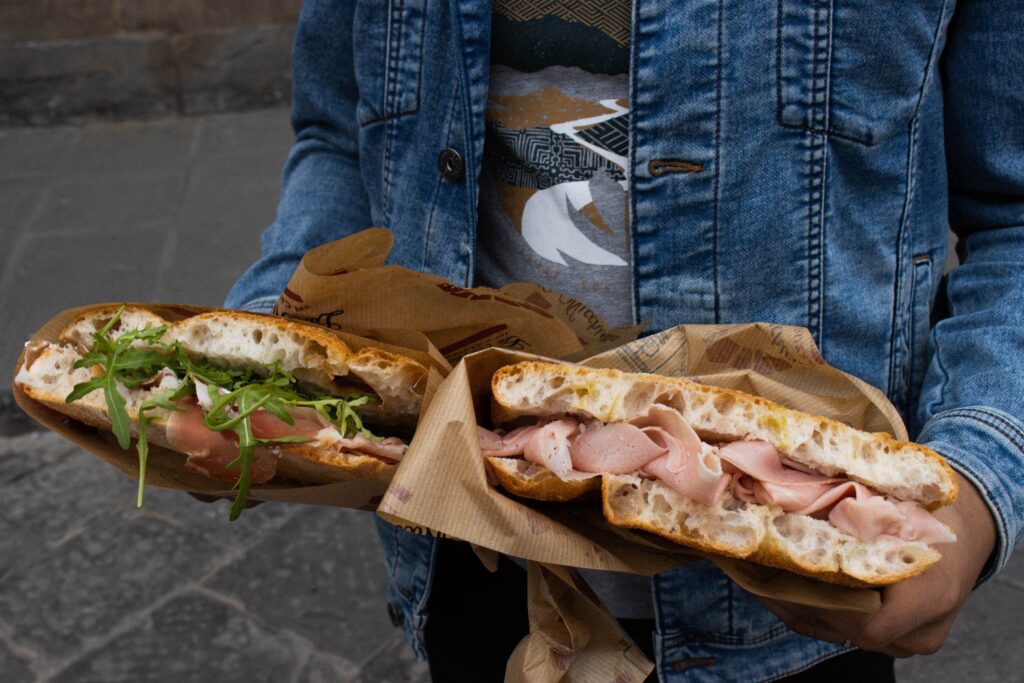
For a quick and delicious bite, Florence’s street food stalls offer a variety of mouthwatering options. Lampredotto stalls, found throughout the city, offer the iconic Florentine street food made from the fourth stomach of a cow. Other popular street food choices include tripe sandwiches, arancini (rice balls), and panini filled with cured meats and cheese. Exploring the street food scene in Florence allows you to taste the city’s culinary delights on the go.
Market Tours and Tastings
To make the most of the food markets in Florence, consider joining a guided market tour or tasting experience. These tours provide a deeper insight into the local food culture, allowing participants to learn about the history and traditions behind Florentine cuisine. From wine and cheese tastings to guided tours with expert chefs, market tours offer a unique culinary adventure in Florence.
Culinary Tours and Workshops in Florence
Guided Food Tours of Florence
Embarking on a guided food tour is an excellent way to discover Florence’s hidden culinary gems. These tours take participants on a gastronomic journey through the city, stopping at various eateries, gelaterias, and food markets along the way. Expert guides provide insights into the history and culture behind each dish, making for an enriching experience that engages all the senses.
Cooking Classes for Tuscan Cuisine
For those who want to delve deeper into Tuscan cuisine, participating in a cooking class is a must. Florence offers a range of cooking classes that cater to all skill levels, from beginners to experienced home cooks. These classes provide hands-on experience in preparing traditional Tuscan dishes under the guidance of expert chefs, ensuring that participants leave with newfound culinary skills and delightful memories.
Wine Tasting Experiences
Tuscany is renowned for its exceptional wines, and Florence provides the perfect setting for indulging in wine tasting experiences. Wine enthusiasts can explore the many wine bars scattered throughout the city, where expert sommeliers guide visitors through tastings of different Tuscan varietals. From Chianti Classico to Brunello di Montalcino, Florence offers a wine tasting experience that is both educational and enjoyable.
Cheese and Olive Oil Workshops
Cheese and olive oil are quintessential ingredients in Tuscan cuisine, and Florence offers workshops that allow participants to delve into the art of cheese and olive oil production. These workshops provide hands-on experiences in cheese-making and olive oil production, allowing participants to learn about the process from start to finish. Tasting sessions and expert-led discussions provide a deeper understanding of these integral components of Tuscan cuisine.
Truffle Hunting and Farm Visits
Tuscany is famous for its truffles, and Florence serves as a gateway to truffle hunting experiences. These excursions take participants into the heart of the Tuscan countryside, where expert truffle hunters lead the way in search of these prized culinary treasures. After the hunt, participants have the opportunity to taste the freshly harvested truffles and learn about their culinary uses. Farm visits also offer insights into the production of local ingredients, providing a well-rounded culinary experience.
Best Restaurants for Tuscan Classics in Florence
Fine Dining Establishments
Florence boasts several fine dining establishments that showcase the best of Tuscan classics with a modern twist. Restaurants like Ora d’Aria and Enoteca Pinchiorri have earned Michelin stars for their innovative dishes that highlight the region’s flavors. These restaurants offer elegant settings, impeccable service, and unforgettable culinary experiences that walk the fine line between tradition and innovation.
Trattorias and Osterias
For a more casual yet authentic dining experience, Florence’s trattorias and osterias are the go-to choices. Trattoria Cammillo, a neighborhood favorite for over 150 years, serves traditional Tuscan dishes in a cozy and welcoming atmosphere. Osteria All’Antico Vinaio offers a no-frills dining experience, specializing in delicious sandwiches filled with local cured meats and cheeses. These establishments provide a taste of Tuscan classics in a relaxed and friendly environment.
Family-Run Eateries
Family-run eateries in Florence offer a unique dining experience that combines delicious food with a warm and welcoming atmosphere. These establishments have often been passed down through generations, preserving traditional recipes and culinary techniques. Trattoria Sabatino, a local favorite, serves authentic Florentine dishes that have been perfected over decades. Dining at a family-run eatery allows you to experience the warmth and hospitality that defines Florence’s culinary scene.
Historical Restaurants
Florence is home to several historical restaurants that have stood the test of time, preserving the city’s culinary heritage. Buca Mario, established in 1886, is housed in a 13th-century wine cellar and serves classic Tuscan delicacies. Trattoria Pandemonio, frequented by artists and writers in the past, offers a menu inspired by traditional Florentine recipes dating back centuries. Dining at a historical restaurant in Florence allows you to step back in time and savor the timeless flavors of the city.
Hidden Food Gems in Florence
In a city bursting with culinary delights, Florence also harbors hidden food gems waiting to be discovered. These tucked-away eateries offer an authentic and immersive dining experience, often frequented by locals in the know. Trattoria Sergio Gozzi, a small trattoria tucked away off the beaten path, serves traditional Tuscan dishes with a focus on local produce. Exploring these hidden food gems allows you to uncover the true soul of Florence’s culinary scene.
Traditional Tuscan Recipes to Try at Home
To bring the flavors of Florence’s Tuscan classics to your own kitchen, here are a few traditional recipes to try:
- Bistecca alla Fiorentina: This iconic Tuscan steak is seasoned simply with salt, pepper, and olive oil, then cooked to perfection over an open flame. Serve it with a side of roasted potatoes and seasonal vegetables for a truly satisfying meal.
- Pappardelle al Cinghiale: This dish combines wide noodles with a rich wild boar ragu. Slowly simmered with tomatoes, red wine, and fragrant herbs, the ragu develops complex flavors that complement the hearty pasta.
- Gelato Fiorentina: Recreate the magic of Florence’s gelato by making your own at home. Use high-quality ingredients like fresh milk, cream, and seasonal fruits to create a creamy and luscious gelato. Experiment with unique flavor combinations to make it truly your own.
Cooking traditional Tuscan recipes at home allows you to explore the flavors of Florence and embrace the city’s culinary heritage.
Discovering Tuscan Wine in Florence
Wine Regions of Tuscany
Florence serves as a gateway to the renowned wine regions of Tuscany, offering a multitude of opportunities to discover and savor Tuscan wines. The Chianti region, located just south of Florence, produces some of Italy’s most celebrated wines. The Montalcino and Montepulciano regions are known for their exceptional Brunello di Montalcino and Vino Nobile di Montepulciano, respectively.
Popular Tuscan Wine Varieties
Tuscany is known for its diverse array of grape varieties, each offering distinct flavors and characteristics. Sangiovese is the most widely planted grape in the region and is the base for many famous Tuscan wines, including Chianti Classico. Other popular red grape varieties include Cabernet Sauvignon, Merlot, and Syrah, which are often blended to create complex and age-worthy wines.
Wine Bars in Florence
Florence is dotted with charming wine bars where you can sample a wide selection of Tuscan wines. La Cantine di Vino, located near the Ponte Vecchio, offers an extensive wine list featuring both renowned and lesser-known Tuscan wineries. Enoteca Pitti Gola e Cantina is another popular spot, known for its curated selection of wines from the region. Wine bars in Florence provide a cozy and inviting atmosphere to enjoy the flavors of Tuscan wine.
Wine Tasting Tours
Embarking on a wine tasting tour is the perfect way to explore the diverse wine regions surrounding Florence. These tours take participants on a journey through picturesque vineyards and wineries, offering an immersive experience in the winemaking process. Expert guides provide insights into the region’s terroir, grape varieties, and winemaking techniques, ensuring a truly educational and enjoyable experience.
Wine Pairing Recommendations
To enhance your dining experience in Florence, consider the art of wine pairing. When enjoying traditional Tuscan dishes like Bistecca alla Fiorentina or ribollita, opt for full-bodied red wines like Chianti Classico or Brunello di Montalcino. For seafood or lighter pasta dishes, try a crisp and aromatic white wine like Vernaccia di San Gimignano. Experimenting with wine pairings allows you to explore the flavors of Florence and elevate your culinary experience.
In conclusion, Florence offers a captivating blend of history, art, and culinary delights. From experiencing the heart-warming pasta dishes to indulging in creamy gelato and savoring traditional Tuscan soups like ribollita, Florence’s culinary scene is a testament to the region’s rich culinary heritage. Exploring food markets, participating in culinary tours and workshops, and dining at the best restaurants in Florence allow you to immerse yourself in the flavors and traditions of Tuscan cuisine. Whether you’re wandering the historic streets or preparing traditional Tuscan recipes at home, Florence promises a delightful culinary journey that will leave you craving for more.