Page Navigation
Imagine standing at the top of the world, with breathtaking panoramic views of the vibrant city of Rio de Janeiro sprawling beneath you. That’s exactly the experience awaiting you at the iconic Christ the Redeemer Statue in Brazil. This historical site not only allows you to connect with the past but also provides an incredible vantage point to take in the beauty of one of the world’s most renowned cities. So, get ready to be awe-inspired as you soak in the immense beauty and marvel at the rich history surrounding Christ the Redeemer Statue. A visit to this landmark promises to be an unforgettable journey through time and culture.

History of the Christ the Redeemer Statue
The conception and design of the statue
The idea for the Christ the Redeemer Statue was conceived in the early 1920s by a group of Brazilian intellectuals who wanted to create a symbol of peace and hope. The design was awarded to the Brazilian engineer Heitor da Silva Costa, who collaborated with the French sculptor Paul Landowski. Together, they developed a concept that would reflect Brazil’s cultural and religious diversity.
Construction and inauguration
Construction of the statue began in 1926 and lasted for nine years. The statue was constructed with reinforced concrete and covered in soapstone, a durable and weather-resistant material. It was assembled in separate pieces, which were transported to the top of Corcovado Mountain using a specially built railway. The statue was officially inaugurated on October 12, 1931, and has since become an iconic symbol of Brazil and one of the New Seven Wonders of the World.
Restoration and maintenance efforts
Over the years, the Christ the Redeemer Statue has undergone several restoration projects to ensure its preservation. In 1980, the statue was listed as a national monument, and restoration work was carried out to improve its structural stability and aesthetic appeal. Since then, ongoing maintenance efforts have been implemented to protect the statue from natural elements and erosion. Regular inspections and repairs are conducted to ensure the longevity of this iconic monument.
Significance of the Christ the Redeemer Statue
Iconic symbol of Rio de Janeiro
The Christ the Redeemer Statue has become synonymous with Rio de Janeiro, representing the city’s rich cultural heritage and landmarks. Its towering presence atop Corcovado Mountain is a recognizable symbol of Rio de Janeiro globally, attracting millions of tourists from around the world. The statue’s silhouette against the city’s skyline has become an emblematic image of the city and is widely featured in promotional materials and media representations.
Religious and spiritual importance
Beyond its status as a tourist attraction, the Christ the Redeemer Statue carries immense religious and spiritual significance. It represents the Christian faith and serves as a symbol of peace, love, and forgiveness. Many visitors are drawn to the statue for its spiritual ambiance and the sense of tranquility it embodies. The statue’s outstretched arms are seen as a welcoming gesture, inviting visitors to seek solace and reflection in its presence.
Cultural and artistic significance
The Christ the Redeemer Statue is celebrated for its artistic and cultural value. Its grandeur and craftsmanship showcase the talent and skill of the engineers, sculptors, and artisans involved in its creation. The statue’s ability to evoke a sense of awe and admiration has made it a prominent landmark in the world of art and architecture. It serves as a testament to human creativity and the power of monumental sculptures to inspire and captivate audiences.
Physical Description and Architecture
Statue dimensions and materials used
The Christ the Redeemer Statue stands at an impressive height of 30 meters (98 feet) and its arms stretch out to a width of 28 meters (92 feet). The statue weighs approximately 635 metric tons (700 short tons). It is made of reinforced concrete, which provides durability and structural stability, while the outer layer is covered with soapstone, which adds a smooth and aesthetically pleasing finish.
Architectural style and design elements
The architectural style of the Christ the Redeemer Statue can be described as Art Deco, a popular style during the early 20th century. The statue’s design incorporates elements of both Gothic and Byzantine architecture, characterized by its verticality, pointed arches, and intricate detailing. The statue’s figure is depicted with outstretched arms, emphasizing a sense of openness and inclusivity. The overall design exudes a sense of elegance and grandeur, perfectly complementing its natural surroundings.
Lighting and illumination effects
One of the striking features of the Christ the Redeemer Statue is its lighting system, which enhances its visibility and creates a mesmerizing effect. The statue is equipped with a series of powerful floodlights strategically placed around its base. These lights illuminate the statue from below, casting dramatic shadows and emphasizing its architectural details at night. The carefully designed lighting scheme enhances the statue’s beauty, making it a captivating sight both day and night.
Accessing the Christ the Redeemer Statue
Location and surroundings
The Christ the Redeemer Statue is located atop the Corcovado Mountain in the Tijuca National Park, overlooking the vibrant city of Rio de Janeiro. Situated in a lush tropical forest, the statue enjoys a picturesque setting surrounded by stunning natural beauty. Visitors can marvel at the breathtaking views of the city, the Atlantic Ocean, and the mountains from this elevated vantage point.
Transportation options
To reach the Christ the Redeemer Statue, visitors can choose from multiple transportation options. The most popular way is to take the Corcovado Train, which departs from the Cosme Velho neighborhood and ascends the mountain through a scenic route. Alternatively, visitors can opt for vans or taxis to reach the site. It is advisable to book tickets in advance, especially during peak tourist seasons, to ensure a hassle-free journey.
Ticketing and entry requirements
To access the Christ the Redeemer Statue, visitors need to purchase tickets. These tickets can be purchased online or at the ticket office located at the Corcovado Train station. It is recommended to check the official website for up-to-date information on ticket prices and availability. Additionally, visitors should note that due to its popularity, there might be certain entry restrictions or time slots to manage the number of visitors, so it’s advisable to plan ahead.

Getting to the Top: Visiting the Viewing Platform
Overview of the viewing platform
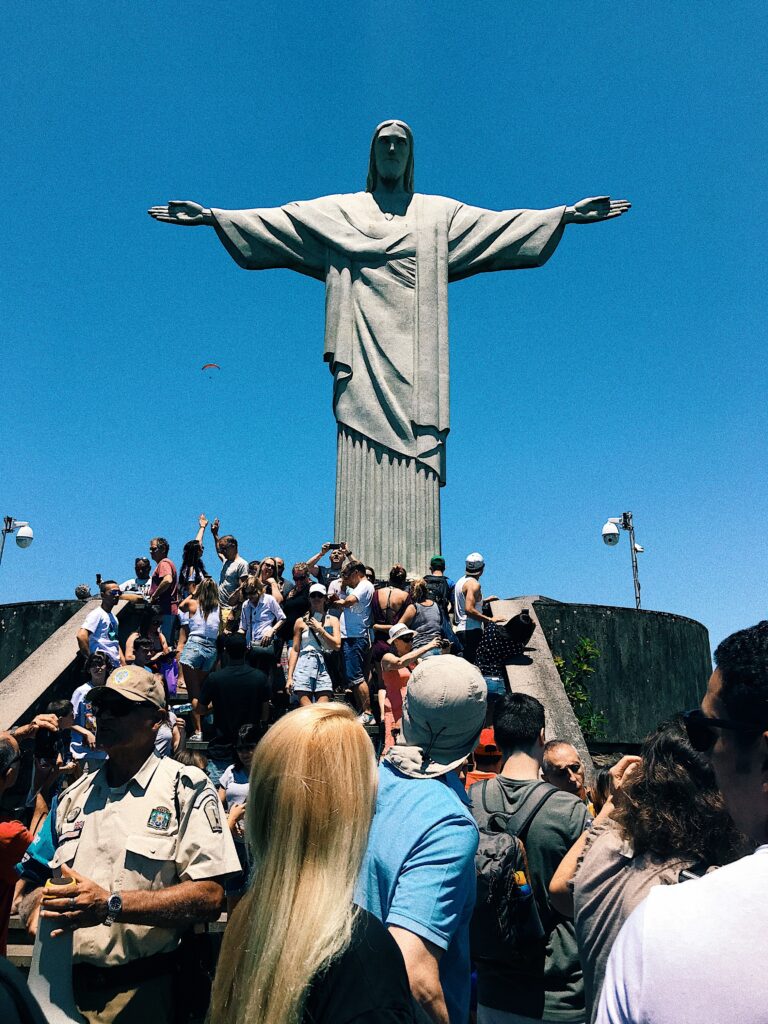
Upon reaching the top of Corcovado Mountain, visitors can access the viewing platform surrounding the Christ the Redeemer Statue. This circular platform provides an unobstructed view of the statue from all angles and offers panoramic vistas of Rio de Janeiro. The platform is spacious and well-maintained, allowing visitors to comfortably admire the statue and take in the breathtaking scenery beyond.
Benefits of visiting the top
Visiting the top of the Christ the Redeemer Statue offers a unique and awe-inspiring experience. From this elevated location, visitors can witness the sprawling cityscape of Rio de Janeiro, framed by the lush mountains and dazzling beaches. The towering statue itself is a sight to behold, captivating visitors with its sheer size and majestic presence. The viewing platform provides an opportunity for visitors to appreciate the statue’s architectural details up close and marvel at its symbolic significance.
Tips for an optimal viewing experience
To make the most of the visit to the Christ the Redeemer Statue, it is advisable to plan ahead and adhere to a few tips. Firstly, arrive early in the day to avoid crowds and enjoy a peaceful experience. The early morning hours also offer the best lighting for photography. It’s also important to bring sunscreen, hats, and comfortable footwear, as the weather can be unpredictable and the terrain may require walking. Finally, consider bringing a camera or smartphone to capture the stunning views and create lasting memories.
Experiencing Panoramic Views of Rio de Janeiro
Marveling at the cityscape
Visiting the Christ the Redeemer Statue provides a unique opportunity to marvel at the vast cityscape of Rio de Janeiro. From the viewing platform, visitors can observe the city’s iconic landmarks such as Sugarloaf Mountain, Copacabana Beach, and Guanabara Bay. The panoramic view offers a comprehensive overview of the city’s layout, showcasing its diverse neighborhoods, architectural wonders, and natural beauty.
Identifying notable landmarks
The elevated vantage point of the Christ the Redeemer Statue allows visitors to easily identify and appreciate the city’s notable landmarks. From this viewpoint, visitors can spot famous structures like the Maracanã Stadium, Rio-Niterói Bridge, and the Sambadrome, where the renowned Carnival events take place. This bird’s-eye view provides a fresh perspective on the city’s urban landscape and its various cultural and sporting venues.
Capturing the beauty through photography
For photography enthusiasts, the Christ the Redeemer Statue offers a plethora of opportunities to capture stunning shots. Whether it’s the statue itself, the panoramic views of the city, or the beautiful natural surroundings, every angle provides a compelling subject. The changing lighting conditions throughout the day offer different moods and atmospheres, allowing photographers to experiment and showcase the beauty of Rio de Janeiro through their lenses.
Surrounding Attractions and Activities
Exploring Tijuca National Park
The Christ the Redeemer Statue is located within the boundaries of the Tijuca National Park, one of the largest urban forests in the world. Visitors can seize the opportunity to explore the park’s diverse wildlife, picturesque hiking trails, and cascading waterfalls. Tijuca National Park offers a tranquil retreat from the bustling city, allowing visitors to immerse themselves in nature and experience the rich biodiversity of the region.
Discovering the neighborhood of Santa Teresa
Located in close proximity to the Christ the Redeemer Statue, the neighborhood of Santa Teresa is a bohemian enclave known for its vibrant artistic scene. Visitors can wander through its narrow cobblestone streets, admire the colorful colonial-style houses, and visit the numerous art galleries and cafes. Santa Teresa offers a unique blend of history, art, and gastronomy, providing an authentic and enriching cultural experience.
Enjoying nearby beaches
A visit to Rio de Janeiro would not be complete without a trip to its famous beaches. The Christ the Redeemer Statue offers a convenient starting point to explore the city’s stunning coastline. Visitors can head to iconic beaches such as Copacabana and Ipanema, where they can sunbathe, take a refreshing dip in the Atlantic Ocean, and indulge in delicious beachside cuisine. The beaches of Rio de Janeiro are vibrant hubs of activity, offering a unique glimpse into the city’s beach culture.
Best Times to Visit the Christ the Redeemer Statue
Considering weather conditions
It is essential to consider the weather conditions when planning a visit to the Christ the Redeemer Statue. The city of Rio de Janeiro experiences a tropical climate, with warm temperatures throughout the year. However, it is advisable to avoid visiting during the rainy season, which typically occurs between December and March, as heavy rain and thunderstorms can hamper the visibility and overall experience.
Peak tourist seasons
The Christ the Redeemer Statue attracts a large number of tourists throughout the year, but there are certain periods when the visitor influx is particularly high. The summer months in Brazil, from December to February, coincide with school vacations and see an increase in domestic and international tourists. Additionally, the period surrounding major events such as Carnival and New Year’s Eve tends to be busy. It is advisable to plan the visit during less crowded times to ensure a more relaxed and personalized experience.
Timing your visit for optimal lighting
For visitors interested in capturing the best photographs of the Christ the Redeemer Statue, timing the visit to coincide with optimal lighting is crucial. The early morning or late afternoon hours offer softer and more flattering light conditions, which can enhance the visual appeal of the statue and the surrounding scenery. These times of the day also provide opportunities to witness breathtaking sunrises or sunsets, adding an extra layer of beauty to the overall experience.
Tourist Facilities and Amenities
Restrooms and refreshment options
To cater to the needs of visitors, the Christ the Redeemer Statue provides restroom facilities at the base of Corcovado Mountain. Additionally, there are kiosks and cafes near the viewing platform where visitors can purchase beverages, snacks, and light meals. It is advisable to carry some water and snacks, especially during peak seasons, to avoid long queues or limited options.
Gift shops and souvenir stalls
At the site of the Christ the Redeemer Statue, visitors can find gift shops and souvenir stalls offering a variety of mementos and keepsakes. These shops sell items such as miniature replicas of the statue, religious artifacts, t-shirts, magnets, and other memorabilia. Purchasing a souvenir is a great way to commemorate the visit and bring a piece of the Christ the Redeemer Statue back home.
Accessibility for individuals with disabilities
Efforts have been made to make the Christ the Redeemer Statue accessible to individuals with disabilities. The viewing platform, ticketing areas, and restrooms are equipped with ramps and elevators to facilitate wheelchair access. Visitors with special needs are advised to check the official website or contact the authorities in advance for specific guidelines and assistance.

Preserving the Christ the Redeemer Statue for Future Generations
Conservation efforts and challenges
Preserving the Christ the Redeemer Statue is a constant endeavor that requires ongoing conservation efforts due to its exposure to natural elements and the wear and tear caused by a high number of visitors. Regular inspection and maintenance activities are carried out to ensure the statue’s structural integrity and prevent deterioration. Challenges such as erosion, pollution, and vandalism are addressed through vigilant monitoring and appropriate interventions.
Education and awareness programs
Educating visitors and raising awareness about the importance of preserving the Christ the Redeemer Statue are crucial elements in its long-term conservation. Various educational programs have been implemented to inform visitors about the history, cultural significance, and environmental impact of the statue. Through guided tours, informative signage, and interactive exhibits, visitors are encouraged to develop a deeper appreciation for the monument and its preservation.
Impact of tourism on the monument
While tourism at the Christ the Redeemer Statue contributes to its popularity and economic benefits for the region, it also poses certain challenges. The high number of visitors can exert pressure on the surrounding infrastructure, natural resources, and the monument itself. Sustainable tourism initiatives are being implemented to mitigate these impacts, including crowd management strategies, waste management systems, and environmentally responsible practices. It is essential for visitors to be mindful of their actions and follow guidelines to ensure the long-term preservation of this cherished symbol of Brazil.
In conclusion, the Christ the Redeemer Statue stands as a testament to human creativity, architectural brilliance, and cultural significance. From its conception to its ongoing preservation efforts, the statue has captivated visitors from around the world. Its iconic status as a symbol of peace, spirituality, and Brazilian cultural identity continues to inspire awe and admiration. With its panoramic views of Rio de Janeiro, the Christ the Redeemer Statue offers an unforgettable experience that combines natural beauty, cultural exploration, and spiritual reflection. By responsibly visiting and appreciating this incredible monument, visitors can contribute to its preservation and ensure it remains a cherished landmark for future generations.