Page Navigation
Experience the vibrant flavors of Cape Town, South Africa, as you indulge in a delectable fusion of African cuisine and fresh, locally sourced seafood. This culinary journey showcases the unique flavors and ingredients that define the region’s rich culinary heritage. From succulent grilled prawns to flavorful bobotie, each dish tells a story of Cape Town’s diverse cultural influences, blending traditional African flavors with international techniques. Immerse yourself in this gastronomic adventure and discover the diverse culinary tapestry that makes Cape Town an unparalleled destination for food enthusiasts.
African Fusion Cuisine
A Taste of Africa
When it comes to African fusion cuisine, Cape Town offers a taste experience like no other. This vibrant city is known for its diverse culinary scene, blending traditional African flavors with global influences. African fusion cuisine takes inspiration from the diverse cultures that call this continent home, resulting in bold and exciting flavors that are sure to impress any palate.
Influences from Various Cultures
The beauty of African fusion cuisine lies in its ability to bring together influences from various cultures into one harmonious dish. Cape Town’s rich history and diverse population have contributed to the development of this unique culinary style. From the aromatic spices of Indian cuisine to the hearty stews of West Africa, African fusion cuisine showcases the best of what this continent has to offer.
The fusion of flavors extends beyond just the ingredients. African fusion cuisine also embraces cooking techniques and preparation methods from different cultures. Whether it’s slow-cooked stews, crispy fried snacks, or smoky grilled meats, each dish tells a story and reflects the diversity of African cuisine.
Unique Flavors and Combinations
One of the most exciting aspects of African fusion cuisine is the exploration of unique flavors and ingredient combinations. From tangy chutneys to fiery hot sauces, every bite is packed with flavor and complexity. Traditional African ingredients like yams, plantains, and millet are often combined with more familiar ingredients like chicken, beef, and fish. The result is a culinary adventure that tantalizes the taste buds and expands the horizons of traditional cuisine.
Local Seafood Delicacies
Abundance of Fresh Seafood
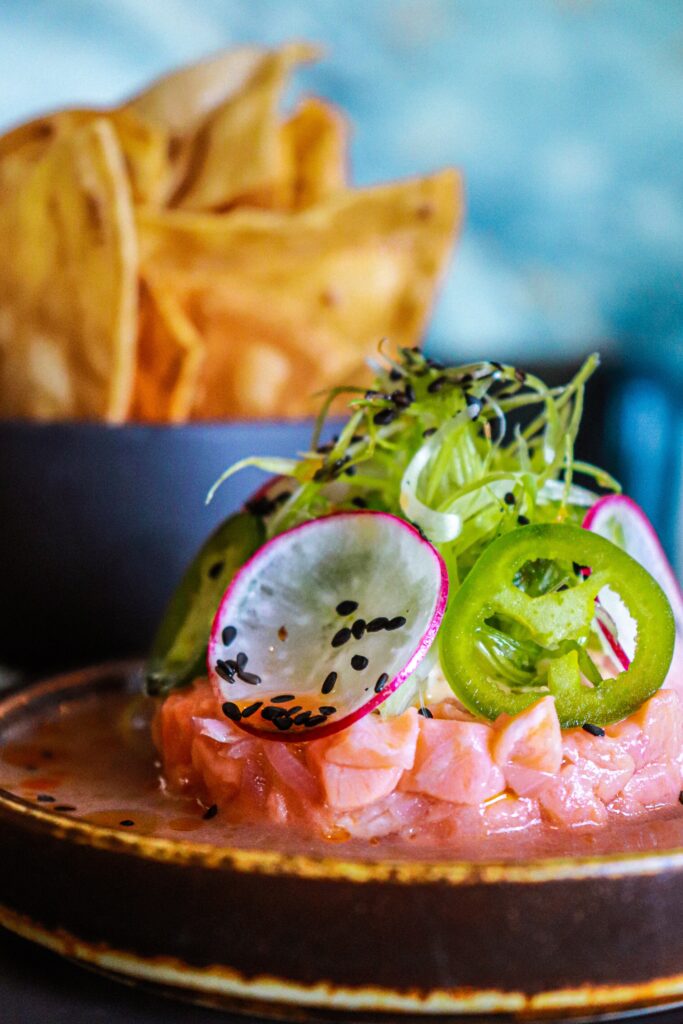
As a coastal city, Cape Town has access to some of the freshest seafood in the world. The Atlantic Ocean is teeming with an abundance of fish, shellfish, and other ocean treasures. Locals and visitors alike have the opportunity to indulge in a wide variety of seafood delicacies, served up in the city’s many seafood restaurants and markets.
Traditional Fishing Techniques
The local fishing industry in Cape Town still holds on to its traditional roots. Many fishermen use time-honored techniques to catch their daily haul, such as handlines and traps. This dedication to sustainable fishing practices ensures a steady supply of fresh seafood while protecting the delicate marine ecosystem. For seafood enthusiasts, this means that each and every bite is not only delicious but also environmentally conscious.
Popular Seafood Dishes
In Cape Town, seafood is a way of life. From fish and chips to seafood curries, there is a dish to satisfy every seafood lover’s craving. Some popular seafood dishes in Cape Town include grilled snoek, a local fish known for its firm, succulent flesh; Cape Malay seafood curry, a fragrant and spicy dish influenced by Indian and Malay flavors; and peri-peri prawns, which are marinated in a fiery chili sauce and grilled to perfection.
Top African Fusion Restaurants in Cape Town
Restaurant A
Restaurant A, located in the heart of Cape Town, is renowned for its innovative African fusion cuisine. The chef combines traditional African ingredients with modern cooking techniques to create dishes that are both visually stunning and full of flavor. The menu at Restaurant A changes regularly to showcase the freshest seasonal ingredients, ensuring a unique dining experience with every visit.
Restaurant B
At Restaurant B, you’ll discover a menu that pays homage to the diverse cultures of South Africa. From traditional Xhosa dishes to Cape Malay specialties, this restaurant celebrates the rich culinary heritage of the region. With its sleek and contemporary decor, Restaurant B offers a stylish setting in which to enjoy the flavors of Africa.
Restaurant C
Restaurant C is known for its fusion of African and European cuisines. The chef combines classic French cooking techniques with African spices and ingredients, resulting in dishes that are both familiar and exotic. The elegant ambiance of Restaurant C makes it the perfect choice for a special occasion or a romantic dinner.
Must-Try Seafood Restaurants in Cape Town
Seafood Restaurant A
Seafood Restaurant A is a seafood lover’s paradise. Nestled along the coastline, this restaurant offers breathtaking views of the ocean while serving up some of the freshest seafood in Cape Town. From grilled fish to seafood platters, every dish is expertly prepared and bursting with flavor.
Seafood Restaurant B
If you’re looking for a seafood dining experience with a twist, Seafood Restaurant B is the place to go. This eclectic eatery combines African flavors with international cooking techniques, resulting in a menu that is both unique and delicious. From spicy seafood tacos to grilled prawn skewers, every dish is a culinary adventure.
Seafood Restaurant C
Seafood Restaurant C is a hidden gem located in the heart of Cape Town. This cozy restaurant offers a menu that showcases the best of local seafood, prepared simply to let the flavors speak for themselves. Whether you choose the pan-seared kingklip or the buttery lobster tail, you’re guaranteed a memorable dining experience at Seafood Restaurant C.

African Fusion Recipes to Try at Home
Recipe A: African-Inspired Curry
Ingredients:
- 1 onion, finely chopped
- 2 cloves of garlic, minced
- 1 tablespoon of curry powder
- 1 teaspoon of ground cumin
- 1 teaspoon of ground coriander
- 400g of diced chicken or beef
- 1 can of coconut milk
- 1 cup of chicken or vegetable broth
- 1 cup of diced tomatoes
- Salt and pepper to taste
- Fresh cilantro for garnish
Instructions:
- Heat some oil in a large pot and sauté the onion and garlic until soft.
- Add the curry powder, cumin, and coriander and cook for another minute.
- Add the diced meat and cook until browned.
- Pour in the coconut milk, broth, and diced tomatoes.
- Bring to a simmer and let cook for about 30 minutes, or until the meat is tender.
- Season with salt and pepper to taste.
- Serve the curry over rice or with fresh naan bread.
- Garnish with fresh cilantro before serving.
Recipe B: Braised Ostrich with Spiced Couscous
Ingredients:
- 500g of ostrich meat, cubed
- 1 onion, chopped
- 2 cloves of garlic, minced
- 1 tablespoon of ground cumin
- 1 tablespoon of ground coriander
- 1 teaspoon of paprika
- 1 cup of chicken or vegetable broth
- 1 cup of couscous
- 1 tablespoon of butter
- Salt and pepper to taste
- Fresh parsley for garnish
Instructions:
- Heat some oil in a large pot and brown the ostrich meat on all sides. Remove from the pot and set aside.
- In the same pot, sauté the onion and garlic until soft.
- Add the cumin, coriander, and paprika and cook for another minute.
- Return the ostrich meat to the pot and pour in the broth.
- Bring to a simmer, cover, and let cook for about 2 hours, or until the meat is tender.
- In a separate pot, bring water to a boil and add the couscous. Remove from heat and let sit for 5 minutes.
- Fluff the couscous with a fork and stir in the butter. Season with salt and pepper to taste.
- Serve the braised ostrich over the spiced couscous.
- Garnish with fresh parsley before serving.
Recipe C: Bobotie Tacos
Ingredients:
- 500g of ground beef
- 1 onion, finely chopped
- 2 cloves of garlic, minced
- 2 tablespoons of curry powder
- 1 tablespoon of ground cumin
- 1 tablespoon of ground coriander
- 2 tablespoons of chutney
- 1 cup of bread crumbs
- 1 cup of milk
- Salt and pepper to taste
- Taco shells
- Sliced avocado, chopped tomatoes, and fresh cilantro for garnish
Instructions:
- Preheat the oven to 180°C (350°F).
- In a large pan, sauté the onion and garlic until soft.
- Add the ground beef and cook until browned.
- Stir in the curry powder, cumin, coriander, and chutney.
- In a separate bowl, soak the bread crumbs in the milk for a few minutes.
- Add the soaked bread crumbs to the beef mixture and mix well.
- Season with salt and pepper to taste.
- Transfer the mixture to an ovenproof dish and press it down evenly.
- Bake for about 30 minutes, or until the top is golden brown.
- Remove from the oven and let cool slightly.
- Fill the taco shells with the bobotie mixture.
- Garnish with sliced avocado, chopped tomatoes, and fresh cilantro before serving.
Local Seafood Recipes to Impress
Recipe A: Grilled Kingklip with Lemon Butter Sauce
Ingredients:
- 500g of kingklip fillets
- Juice of 1 lemon
- Salt and pepper to taste
- 4 tablespoons of butter, melted
- 2 tablespoons of chopped fresh herbs (such as parsley or dill)
- Lemon wedges for serving
Instructions:
- Preheat the grill to medium-high heat.
- Season the kingklip fillets with lemon juice, salt, and pepper.
- Place the fillets on the grill and cook for about 4-5 minutes on each side, or until the fish is cooked through.
- While the fish is grilling, mix together the melted butter and chopped fresh herbs.
- Remove the fish from the grill and drizzle with the lemon butter sauce.
- Serve with lemon wedges on the side.
Recipe B: Cape Malay Seafood Potjie
Ingredients:
- 500g of mixed seafood (such as prawns, mussels, and fish)
- 2 tablespoons of vegetable oil
- 1 onion, chopped
- 2 cloves of garlic, minced
- 2 teaspoons of ground cumin
- 2 teaspoons of ground coriander
- 1 teaspoon of turmeric
- 1 teaspoon of paprika
- 1 can of diced tomatoes
- 1 cup of fish or vegetable broth
- Salt and pepper to taste
- Fresh cilantro for garnish
- Cooked rice for serving
Instructions:
- Heat the oil in a large pot or Dutch oven over medium heat.
- Sauté the onion and garlic until soft and fragrant.
- Add the cumin, coriander, turmeric, and paprika and cook for another minute.
- Add the mixed seafood, diced tomatoes, and broth.
- Season with salt and pepper to taste.
- Bring to a simmer and let cook for about 15-20 minutes, or until the seafood is cooked through.
- Serve the Cape Malay seafood potjie over cooked rice.
- Garnish with fresh cilantro before serving.
Recipe C: Mozambican Prawn Curry
Ingredients:
- 500g of prawns, peeled and deveined
- 2 tablespoons of vegetable oil
- 1 onion, finely chopped
- 2 cloves of garlic, minced
- 2 teaspoons of curry powder
- 1 teaspoon of ground cumin
- 1 teaspoon of ground coriander
- 1 can of coconut milk
- 1 cup of fish or vegetable broth
- 1 tablespoon of lemon juice
- Salt and pepper to taste
- Fresh cilantro for garnish
- Cooked rice for serving
Instructions:
- Heat the oil in a large pan over medium heat.
- Sauté the onion and garlic until soft and translucent.
- Add the curry powder, cumin, and coriander and cook for another minute.
- Add the prawns and cook until pink and cooked through.
- Pour in the coconut milk, broth, and lemon juice.
- Bring to a simmer and let cook for about 10-15 minutes, or until the flavors have melded together.
- Season with salt and pepper to taste.
- Serve the Mozambican prawn curry over cooked rice.
- Garnish with fresh cilantro before serving.

Exploring Cape Town’s Food Markets
Market A: The Old Biscuit Mill
The Old Biscuit Mill is a vibrant food market located in the trendy neighborhood of Woodstock. It is home to a variety of artisanal food producers, ranging from local bakers to craft brewers. Visitors can wander through the stalls, sampling delicious treats along the way. The market also features a wide range of international cuisines, making it the perfect place to indulge in African fusion flavors.
Market B: V&A Waterfront Market
Situated in the iconic V&A Waterfront, this bustling market showcases the best of Cape Town’s culinary offerings. Visitors can explore a vast array of food stalls, serving up everything from traditional South African dishes to international gourmet delights. The market is also surrounded by stunning waterfront views, creating a picturesque setting for a leisurely afternoon of food exploration.
Market C: Oranjezicht City Farm Market
For a truly unique food market experience, head to the Oranjezicht City Farm Market. Located next to the historic Company Gardens, this market focuses on organic produce and sustainable farming practices. Visitors can browse through a wide selection of locally grown fruits, vegetables, and other fresh ingredients. The market also features food stalls serving up wholesome, farm-to-table dishes that are not to be missed.
Seafood Markets in Cape Town
Market A: Hout Bay Fish Market
Hout Bay Fish Market is a seafood lover’s paradise. Located in the picturesque fishing village of Hout Bay, this market is a go-to destination for fresh catches of the day. Visitors can browse through a wide selection of fish, shellfish, and other seafood delights. The market also features a restaurant where visitors can enjoy a delicious seafood meal while taking in the stunning views of the bay.
Market B: Kalk Bay Harbour
Kalk Bay Harbour is not only a working harbor but also a bustling fish market. Every morning, local fishermen bring in their catches, which are then sold at the market. Visitors can witness the excitement of the fishing boats being unloaded and browse through the freshly caught seafood. The market offers a unique opportunity to purchase the freshest seafood straight from the source. Don’t forget to try the famous fish and chips from one of the local vendors.
Market C: Green Point Fish Market
Green Point Fish Market is a popular destination for seafood enthusiasts in Cape Town. This market features a wide selection of fresh fish, shellfish, and other seafood delicacies. Whether you’re looking for popular favorites like tuna and salmon or more exotic catches like crayfish and abalone, you’ll find it all at Green Point Fish Market. The market also offers a range of seafood pre-prepared dishes, making it a convenient option for those who want to enjoy a seafood feast at home.
Cultural Experiences: African Food Tours
Tour A: Township Food Tour
A township food tour is a fantastic way to experience the vibrant food culture of Cape Town’s townships. Led by a local guide, visitors can explore the lively markets and street food stalls, sampling a variety of traditional African dishes along the way. From savory vetkoek to flavorful bunny chow, a township food tour provides a unique opportunity to connect with the local community and learn about their culinary traditions.
Tour B: Cape Malay Cooking Experience
Cape Malay cuisine is one of the most beloved culinary traditions in Cape Town. A Cape Malay cooking experience allows visitors to learn how to prepare traditional dishes from this vibrant culture. Under the guidance of a skilled chef, participants can master the art of making samosas, bobotie, and other Cape Malay specialties. The cooking experience often includes a market visit to source fresh ingredients, providing a holistic understanding of the culinary process.
Tour C: African Food Safari
Embark on an African food safari and immerse yourself in the flavors of the continent. This guided tour takes visitors to some of Cape Town’s best African fusion restaurants, where they can sample a variety of dishes that fuse traditional African flavors with innovative culinary techniques. From Ethiopian injera to Nigerian jollof rice, an African food safari offers a culinary adventure that explores the rich diversity of African cuisine.
Seafood Experiences: Fishing Trips and Seafood Tastings
Trip A: Deep-Sea Fishing Adventure
For those who enjoy an adrenaline rush and a love of fishing, a deep-sea fishing adventure is a must-do in Cape Town. Join experienced fishermen on a thrilling trip out to sea to catch some of the ocean’s most prized fish, such as yellowfin tuna and dorado. After a successful day on the water, participants can enjoy a fresh seafood feast, with their catch expertly prepared by a local chef.
Trip B: Mussel and Oyster Tasting Cruise
Cruising along the coast of Cape Town is a delightful way to enjoy the city’s stunning scenery. Combine this with a mussel and oyster tasting experience, and you’ve got a true seafood lover’s dream. On a specially designed boat, guests can sample a variety of fresh mussels and oysters sourced from local farms. Paired with crisp white wine, this experience offers a true taste of the sea.
Trip C: Lobster Shack Experience
Indulge in a luxurious lobster shack experience and savor the taste of the ocean’s finest delicacy. Join a guided tour to a local lobster shack, where you can witness the skilled techniques used to catch and prepare these prized crustaceans. Enjoy a freshly cooked lobster meal, paired with local wines, and learn about the traditional fishing methods that have been passed down through generations.
In conclusion, Cape Town offers a diverse and exciting culinary scene that combines the best of African fusion cuisine and local seafood. With its unique flavors, innovative combinations, and stunning coastal location, Cape Town truly is a food lover’s paradise. Whether you choose to sample African fusion dishes at top restaurants, explore the bustling food markets, or embark on seafood-themed tours and trips, you’re guaranteed an unforgettable gastronomic experience in this vibrant city.