Page Navigation
Immerse yourself in the captivating culinary world of Tokyo, Japan, where the art of sushi, the rich flavors of ramen, and the time-honored traditions of Japanese cuisine await you. As you step into this vibrant city, you will discover a gastronomic adventure like no other. From humble streetside stalls to Michelin-starred restaurants, Tokyo offers a culinary landscape that is both diverse and enticing. Be prepared to indulge your taste buds with meticulously crafted sushi rolls, savor the comforting warmth of a steaming bowl of ramen, and explore the profound reverence for food that is woven into the fabric of Japanese culture. Get ready to embark on a delectable journey through the streets of Tokyo, where each bite is a glimpse into the heart of Japanese culinary heritage.
Sushi
History of Sushi
Sushi, the beloved Japanese delicacy enjoyed by people all over the world, has a rich history that dates back centuries. The origins of sushi can be traced back to Southeast Asia, where the practice of preserving fish in fermented rice was first developed. This method was brought to Japan around the 8th century and underwent various transformations over the years.
In the Edo period (1603-1868), sushi as we know it today began to take shape. During this time, the technique of combining vinegared rice with fresh fish became popular, giving rise to the style of sushi known as nigiri-zushi. In the early days, sushi was primarily consumed by street vendors and sushi stalls, catering to the working-class population. However, its popularity grew rapidly, and sushi eventually made its way into high-end restaurants, becoming a symbol of Japanese culinary excellence.
Types of Sushi
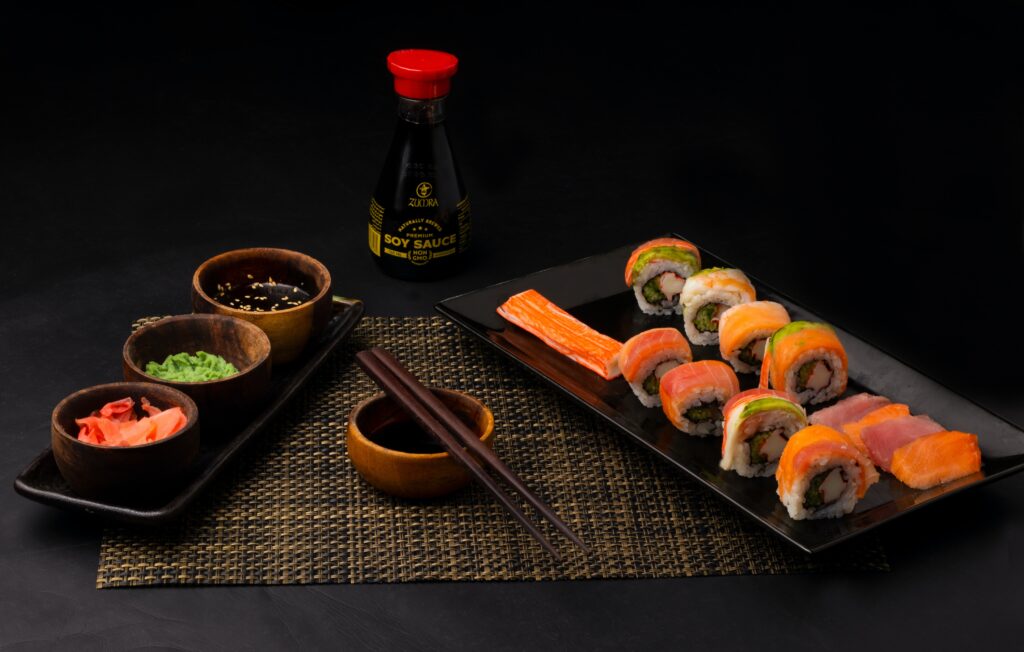
Sushi comes in many forms, each with its own unique flavors and presentation styles. Some of the most popular types of sushi include:
-
Nigiri: This is perhaps the most well-known type of sushi, consisting of bite-sized portions of fish or seafood placed on top of a small bed of vinegared rice. Nigiri sushi allows the flavors of the fish to shine through, with minimal toppings or sauces.
-
Maki: Maki sushi, also known as sushi rolls, are made by wrapping a layer of seaweed (nori) around vinegared rice and various fillings, such as fresh fish, vegetables, or even tempura. Maki sushi comes in many variations, including the popular California roll and spicy tuna roll.
-
Temaki: Temaki sushi, also called hand rolls, are cone-shaped sushi rolls that are meant to be eaten with your hands. They are filled with a combination of rice, fish, vegetables, and other ingredients, giving you a burst of flavors in each bite.
-
Chirashi: Chirashi sushi is a colorful and vibrant dish consisting of a bowl of sushi rice topped with an assortment of sashimi, vegetables, and garnishes. It is often served in Japanese homes during special occasions or as part of a traditional feast.
Sushi Etiquette
When it comes to enjoying sushi in Japan, there are a few important etiquette rules to keep in mind. Firstly, it is customary to eat sushi with your hands rather than using chopsticks. This allows you to fully experience the texture and flavors of the sushi.
Another important etiquette tip is to dip the fish side, not the rice side, of nigiri sushi into soy sauce. This helps to preserve the delicate balance of flavors and prevents the rice from becoming too soggy. It is also considered polite to eat sushi in one bite, if possible, to fully appreciate the chef’s craftsmanship.
Lastly, when dining at a sushi restaurant, it is customary to show appreciation to the chef by saying “arigato gozaimasu” (thank you) after each piece of sushi. This simple gesture shows respect and gratitude for their skill in preparing the sushi.
Best Sushi Restaurants in Tokyo
Tokyo, the bustling capital of Japan, is renowned for its culinary delights, and sushi is no exception. The city is home to numerous exceptional sushi restaurants, each with its own unique approach to sushi-making and top-quality ingredients.
-
Sukiyabashi Jiro: Located in the upscale neighborhood of Ginza, Sukiyabashi Jiro is arguably the most famous sushi restaurant in the world. Helmed by master sushi chef Jiro Ono, who has been perfecting his craft for over 70 years, this intimate restaurant offers a truly unforgettable dining experience.
-
Sushi Saito: Another legendary sushi restaurant in Tokyo, Sushi Saito is known for its meticulous attention to detail and commitment to using the freshest and highest-quality ingredients. With only a few seats available, reservations at Sushi Saito can be hard to come by, but the experience is well worth the effort.
-
Tsukiji Fish Market: While not a traditional sushi restaurant, Tsukiji Fish Market is a must-visit destination for sushi lovers. This iconic fish market in Tokyo is home to numerous sushi stalls and small eateries where you can indulge in fresh and affordable sushi directly from the source.
-
Kyubey: Founded in 1935, Kyubey is a sushi institution in Tokyo. Known for their classic Edo-style sushi, Kyubey offers an extensive menu of sushi options, allowing diners to choose their preferred ingredients and enjoy the artistry of the skilled sushi chefs.
Whether you’re a seasoned sushi connoisseur or a first-time visitor to Tokyo, these sushi restaurants are sure to leave a lasting impression with their exceptional quality and dedication to the art of sushi-making.
Ramen
Origins of Ramen
Ramen, the beloved Japanese noodle soup dish, has a fascinating history that reflects the cultural influences and culinary innovations of Japan’s past. Although often associated with Japanese cuisine, ramen actually originated in China and was brought to Japan in the late 19th century.
The Chinese immigrants who settled in Japan introduced their traditional wheat noodles and soup recipes, which gradually developed into what we now know as ramen. In its early days, ramen was a dish primarily enjoyed by students and laborers for its affordability and filling nature.
Varieties of Ramen
Ramen has evolved over the years, and today, there are numerous regional variations and styles of ramen throughout Japan. Some of the most popular varieties include:
-
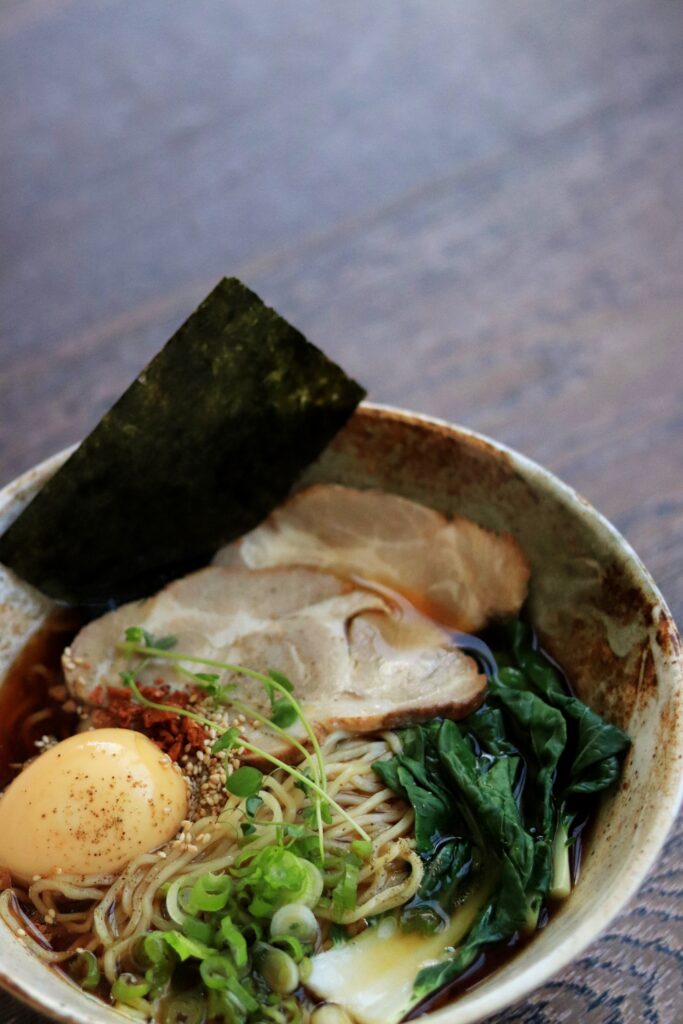
Shoyu Ramen: Shoyu ramen is made with a clear soy sauce-based broth that is typically flavored with chicken or pork. It is often accompanied by toppings such as sliced chashu (roast pork), menma (bamboo shoots), and green onions.
-
Tonkotsu Ramen: Originating from Fukuoka in southern Japan, tonkotsu ramen features a rich and creamy broth made from boiling pork bones for an extended period. The result is a flavorful soup that pairs perfectly with thin, straight noodles and toppings like sliced pork belly, black garlic oil, and soft-boiled eggs.
-
Miso Ramen: Miso ramen hails from Hokkaido, the northernmost region of Japan. The broth is made from fermented soybean paste (miso), giving it a rich and savory flavor. Miso ramen often includes hearty toppings like corn, butter, and marinated bamboo shoots.
-
Shio Ramen: Shio ramen is known for its light and clear broth, which is seasoned with salt instead of soy sauce. This style of ramen, popular in coastal regions, allows the natural flavors of the ingredients to shine through. Toppings for shio ramen often include seafood and vegetables.
Ramen Toppings
One of the joys of eating ramen is customizing it with a wide array of toppings to suit your personal tastes. Here are some popular ramen toppings you may encounter:
-
Chashu: Chashu is tender, slow-cooked pork belly that is often sliced and placed on top of ramen. It adds a rich and savory element to the dish.
-
Ajitama: Ajitama refers to soft-boiled eggs marinated in soy sauce and other seasonings. The creamy yolk adds a luxurious touch to the ramen.
-
Menma: Menma are pickled bamboo shoots commonly found in ramen. They add a refreshing crunch and a hint of sweetness to balance the richness of the broth.
-
Negi: Negi are thin slices of green onion that provide a fresh and aromatic flavor to the ramen. They are often sprinkled on top as a garnish.
Famous Ramen Shops in Tokyo
When it comes to finding the best ramen in Tokyo, the options are seemingly endless. From traditional hole-in-the-wall shops to modern and innovative establishments, Tokyo has something to satisfy every ramen craving. Here are a few renowned ramen shops worth visiting:
-
Ichiran: Known for its unique and customizable dining experience, Ichiran allows customers to fully immerse themselves in the flavors of their ramen. Each individual booth is designed for optimal focus on the ramen, ensuring an intimate and undisturbed dining experience.
-
Afuri: With multiple locations across Tokyo, Afuri is famous for its yuzu-infused ramen. The citrusy flavor adds a refreshing twist to the traditional bowl of ramen, making Afuri a popular choice among locals and visitors alike.
-
Nakiryu: Located in the bustling neighborhood of Ikebukuro, Nakiryu gained worldwide acclaim after receiving a Michelin star in 2017. Their specialty is tantanmen, a spicy Sichuan-style ramen that combines the flavors of sesame, chili oil, and ground pork for a unique and satisfying taste.
-
Menya Itto: Menya Itto is known for its rich and flavorful tori-paitan ramen, made using chicken broth simmered for hours to achieve a creamy consistency. The shop’s dedication to quality and attention to detail has earned them a loyal following of ramen enthusiasts.
Whether you prefer classic tonkotsu ramen or want to explore more adventurous flavors, these renowned ramen shops in Tokyo are sure to leave you craving more.
Japanese Culinary Traditions
History of Japanese Cuisine
Japanese cuisine is steeped in tradition and influenced by a variety of cultural factors. The roots of Japanese cuisine can be traced back to the Jomon period, which began around 10,000 BCE. During this time, hunting and foraging were the primary means of sustenance, and the diet largely consisted of seafood, wild game, and gathered plants.
Over the centuries, Japanese cuisine evolved as the country’s geography and climate influenced the availability of ingredients. Various cultural influences, such as Buddhism and the Chinese culinary tradition, also left their mark on Japanese cuisine.
The advent of the Edo period (1603-1868) brought about significant changes in Japanese cuisine. The rise of the samurai class led to the development of kaiseki, a multi-course meal that showcased the country’s seasonal ingredients and refined cooking techniques. Additionally, the emergence of sushi and other gourmet dishes marked a shift towards more elaborate and sophisticated dining experiences.
Today, Japanese cuisine is renowned for its emphasis on freshness, simplicity, and harmony of flavors. It continues to evolve, with chefs and home cooks constantly experimenting and innovating while staying true to the centuries-old culinary traditions.
Key Ingredients and Seasonings
Japanese cuisine relies on a handful of key ingredients and seasonings that form the building blocks of its distinctive flavors. These ingredients include:
-
Rice: Rice is a staple in Japanese cuisine and is served with almost every meal. It is the foundation of dishes like sushi, onigiri (rice balls), and rice bowls. Short-grain rice, known for its stickiness, is typically used in Japanese cooking.
-
Fish and Seafood: Being an island nation, Japan has a rich tradition of fishing and seafood consumption. A wide range of fish and shellfish, such as tuna, salmon, squid, and shrimp, are integral to many Japanese dishes. Sashimi, grilled fish, and fish-based broths are just a few examples.
-
Soy Sauce: Soy sauce, made from fermented soybeans, wheat, salt, and water, is a fundamental seasoning in Japanese cuisine. It adds depth of flavor and a delightful savory note to a wide variety of dishes.
-
Mirin: Mirin is a sweet rice wine that is often used to add a touch of sweetness and a glossy finish to dishes. It lends a subtle complexity to sauces, marinades, and glazes.
-
Miso: Miso, made from fermented soybeans, is another vital ingredient in Japanese cooking. It is a versatile ingredient, used in soups, marinades, sauces, and even desserts. The flavor profile of miso can range from mild and slightly sweet to rich and deeply savory, depending on the variety and fermentation process.
Traditional Cooking Techniques
Japanese cuisine is known for its meticulous attention to detail and precise cooking techniques. Some traditional techniques that are commonly employed include:
-
Washoku: Washoku refers to the traditional Japanese method of preparing and presenting food. It emphasizes simplicity, balance, and showcasing the natural flavors of the ingredients. The technique often involves minimal seasoning and cooking methods such as grilling, steaming, and simmering.
-
Yakimono: Yakimono refers to the art of grilling or broiling, and it is a popular cooking technique in Japanese cuisine. It is often used to prepare fish, meats, and vegetables, imparting a smoky flavor and crispy texture.
-
Nimono: Nimono is a method of simmering ingredients in a seasoned broth until they are tender and infused with flavor. This technique is commonly used for root vegetables, tofu, and fish.
-
Sashimi: Sashimi is the art of slicing fresh, raw fish or seafood into delicate, bite-sized pieces. The technique requires precision and a keen eye for quality, as the taste and texture of the sashimi largely depend on the freshness and quality of the ingredients.
Famous Japanese Dishes
Japanese cuisine boasts a wide array of famous and beloved dishes that have captured the hearts and palates of people around the world. Some notable Japanese dishes include:
-
Sushi: Sushi is perhaps the most well-known Japanese dish and consists of vinegared rice combined with various toppings such as raw or cooked fish, seafood, and vegetables.
-
Tempura: Tempura is a dish consisting of lightly battered and deep-fried seafood, vegetables, and sometimes even meat. The result is a crispy and flavorful dish that is typically served with a dipping sauce.
-
Yakitori: Yakitori refers to skewered grilled chicken, cooked over a charcoal flame. These bite-sized pieces of chicken are often seasoned with a salty-sweet sauce, creating a savory and smoky delight.
-
Sukiyaki: Sukiyaki is a hot pot dish that features thinly sliced beef and an assortment of vegetables, tofu, and noodles cooked in a sweet and savory soy-based broth. The ingredients are typically cooked at the table and then dipped in a beaten raw egg before eating.
These are just a few examples of the diverse and delicious dishes that showcase the depth and variety of Japanese cuisine.
Tsukiji Fish Market
Introduction to Tsukiji Fish Market
Located in central Tokyo, Tsukiji Fish Market is the largest fish market in the world and a paradise for seafood lovers. It has been the heart of the city’s seafood trade for over 80 years, attracting locals and tourists alike who gather to witness the bustling atmosphere and feast their eyes on the incredible variety of seafood on display.
The market is divided into two main sections: the Inner Market, where the wholesale auctions and transactions take place, and the Outer Market, which consists of numerous shops, stalls, and restaurants offering a wide range of fresh seafood, produce, kitchenware, and other culinary delights.
Tuna Auction
One of the most iconic and sought-after experiences at Tsukiji Fish Market is the famous tuna auction. Taking place in the early morning hours, before the break of dawn, visitors have the opportunity to witness the auctioning of enormous tuna fish, which can weigh anywhere from 100 to over 600 kilograms.
The auction process is fast-paced and intense, with buyers inspecting the quality of the tuna and making their bids by signaling and shouting. The highest bidder wins the fish, which is then prepared and distributed to various seafood vendors and restaurants.
Although the tuna auction is a unique spectacle, it’s important to note that access to the auction is highly limited, and visitors must arrive early and adhere to certain rules and regulations set by the market authorities.
Seafood Markets
Beyond the tuna auction, Tsukiji Fish Market is home to a myriad of seafood markets where visitors can explore the vast array of fresh and exotic seafood on offer. From gigantic crabs and live eels to colorful fish and rare species, the market is a feast for the senses, showcasing the vibrant and diverse marine life of Japan.
Walking through the aisles, visitors can observe the skillful fishmongers expertly filleting fish, preparing sashimi, and packaging seafood for sale. The atmosphere is lively and engaging, with the constant hustle and bustle of buyers and sellers exchanging goods.
Visitors can also purchase fish, seafood, and other culinary items directly from the market to enjoy at home or savor in one of the many small eateries and sushi stalls scattered throughout the Outer Market.
Sushi Breakfast at Tsukiji
One of the highlights of a visit to Tsukiji Fish Market is the opportunity to indulge in a sushi breakfast at one of the market’s esteemed sushi restaurants. These restaurants boast a reputation for serving some of the freshest and most delectable sushi in Tokyo, with ingredients sourced directly from the market’s vendors.
For early birds, the sushi breakfast experience is an absolute delight. As the sun rises, visitors can take a seat at the counter and watch master sushi chefs craft each piece of sushi with precision and care. From the delicate slices of sashimi to nigiri sushi featuring the finest cuts of fish, the flavors are unparalleled.
It’s advisable to make reservations in advance, as these popular sushi restaurants often have limited seating and can fill up quickly, especially during peak hours. Indulging in a sushi breakfast at Tsukiji Fish Market is a truly unforgettable culinary experience that showcases the best of Japanese seafood.
Kaiseki Dining
Meaning of Kaiseki
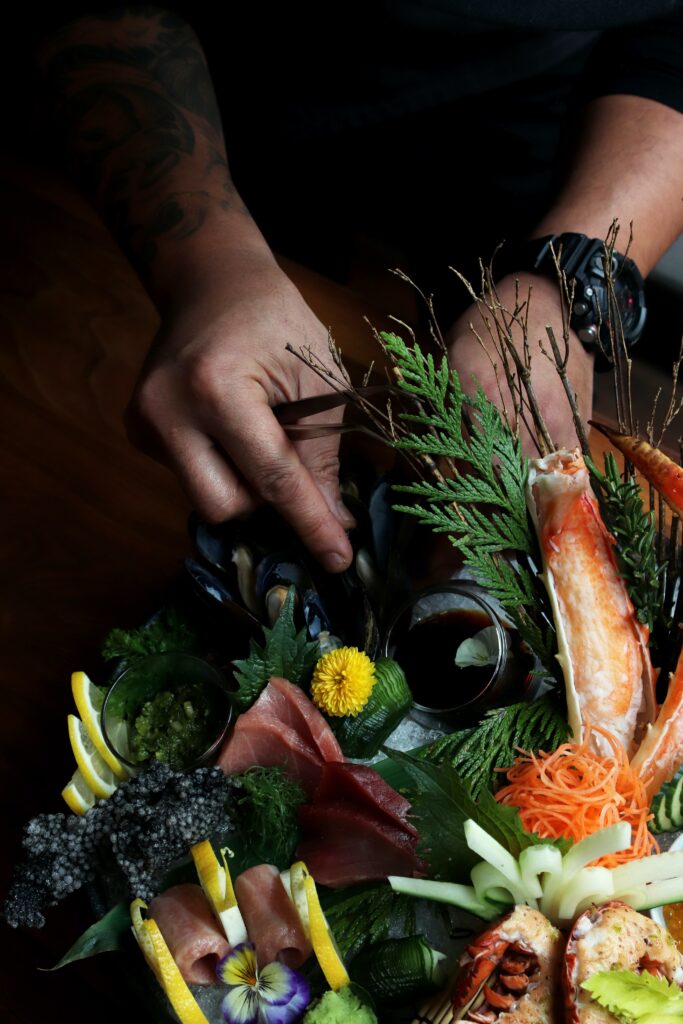
Kaiseki is a traditional multi-course meal that is considered the pinnacle of Japanese haute cuisine. Rooted in the ancient tea ceremony traditions of Zen Buddhism, kaiseki focuses on seasonal ingredients, impeccable presentation, and a harmonious balance of flavors.
The word “kaiseki” is derived from the term “kaishoku,” which means “to eat a light meal.” Kaiseki meals are seen as an art form rather than just a means of sustenance, with each dish thoughtfully prepared and designed to delight the senses.
The philosophy of kaiseki revolves around the principles of simplicity, respect for nature, and attention to detail. The entire experience, from the arrangement of the tableware to the progression of the courses, is carefully curated to create a sense of tranquility and harmony.
Seasonal Ingredients in Kaiseki
One of the key elements of kaiseki cuisine is the use of seasonal ingredients. The changing seasons in Japan bring a rich bounty of ingredients, and kaiseki chefs take full advantage of this by incorporating the freshest and most flavorful produce, seafood, and meats into their menus.
In spring, kaiseki menus often feature delicate cherry blossoms, tender bamboo shoots, and seasonal vegetables like peas and asparagus. Summer brings an abundance of seafood, such as eel and ayu (sweetfish), as well as refreshing vegetables like cucumber and watermelon.
Autumn is a time for the harvest, with mushrooms, chestnuts, and ginkgo nuts making their appearance in kaiseki dishes. Winter showcases hearty ingredients like crab, oysters, and hot pot dishes, providing warmth and comfort during the cold season.
The use of seasonal ingredients not only ensures the freshest flavors but also reflects the deep connection between Japanese cuisine and nature.
Multi-Course Kaiseki Meal
A traditional kaiseki meal typically consists of multiple courses, each carefully crafted to create a balanced and harmonious progression of flavors.
The meal usually starts with a light appetizer or an assortment of small, bite-sized dishes known as sakizuke. This is followed by a series of dishes, such as sashimi, grilled fish, simmered vegetables, and seasonal soups, served one after another.
The highlight of a kaiseki meal is often a beautifully presented and meticulously prepared main course, featuring premium ingredients such as wagyu beef, lobster, or freshwater eel. The main course is accompanied by rice, pickles, and miso soup, bringing a sense of satisfaction and completeness to the meal.
Dessert in kaiseki meals is typically light and refreshing, often featuring seasonal fruits, delicate wagashi (traditional Japanese sweets), or a simple green tea jelly to cleanse the palate.
Throughout the meal, the tableware and presentation of each dish are carefully chosen to enhance the overall aesthetic experience. Delicate ceramics, lacquerware, and bamboo utensils are often employed to create an atmosphere that complements the season and showcases the beauty of the food.
Top Kaiseki Restaurants in Tokyo
Tokyo is home to numerous outstanding kaiseki restaurants, each offering a unique interpretation of this revered culinary tradition. Here are a few notable establishments where you can experience the artistry of kaiseki dining:
-
Kikunoi: This Michelin three-star restaurant in Akasaka is renowned for its exquisite kaiseki cuisine. Led by Chef Yoshihiro Murata, Kikunoi combines traditional techniques with a modern twist, offering a truly memorable dining experience.
-
Ise Sueyoshi: Located in the upscale Ginza neighborhood, Ise Sueyoshi was the first kaiseki restaurant outside of Kyoto to receive three Michelin stars. Chef-owner Takeshi Suzuki crafts innovative and seasonal kaiseki menus using ingredients sourced from the Ise region.
-
Ryugin: Ryugin, helmed by Chef Seiji Yamamoto, is a three-Michelin-starred restaurant that blends traditional kaiseki with innovative techniques. The restaurant showcases the best of Japanese ingredients in a contemporary and artistic setting.
-
Kozue: Perched on the 40th floor of the Park Hyatt Tokyo, Kozue offers panoramic views of the city skyline along with its refined kaiseki cuisine. The restaurant focuses on the aesthetics of each dish, presenting a visual spectacle alongside the exquisite flavors.
These renowned kaiseki restaurants in Tokyo are just a few examples of the city’s vibrant culinary scene, where Japanese tradition and innovation come together to create unforgettable dining experiences.
Tempura
Tempura History and Origins
Tempura, a beloved dish of crispy, battered and deep-fried seafood and vegetables, has a fascinating history that traces its origins back to the 16th century. The dish was introduced to Japan by Portuguese traders, who brought a deep-frying cooking technique known as “peixinhos da horta” from their homeland.
Initially, tempura was mainly made with fish and root vegetables. However, as the Japanese embraced the dish, it evolved to include a wider variety of ingredients, such as shrimp, squid, eggplant, sweet potatoes, and mushrooms.
Over time, tempura became a popular street food in Japan and eventually made its way into high-end restaurants, where it was refined and elevated to its status as a beloved culinary specialty.
Ingredients for Tempura Batter
The key to achieving the light and crispy texture of tempura lies in the batter. Traditional tempura batter is made by combining flour, cold water, and sometimes egg yolks. The batter should be mixed lightly to avoid overdeveloping the gluten, resulting in a coating that is airy and delicate.
The ratio of flour to water can vary depending on personal preference and the desired level of crispiness. Some recipes call for a higher ratio of flour to water, while others use equal amounts.
Additionally, some chefs add a touch of baking soda to the batter, which creates air bubbles and gives the tempura an extra lightness. The batter is usually mixed just before using it to maintain its texture and ensure the best results.
Types of Tempura
Tempura can be made with a wide range of ingredients, allowing chefs and home cooks to get creative and experiment with different flavors and textures. Some popular ingredients used in tempura include:
-
Shrimp: Shrimp tempura is perhaps the most famous and beloved type of tempura. The shrimp are lightly coated in the batter and deep-fried until golden and crispy. The result is succulent and juicy shrimp encased in a delicate, crunchy exterior.
-
Vegetables: Various vegetables can be used in tempura, including sweet potatoes, pumpkin, onions, eggplant, and bell peppers. Vegetables are typically sliced into thin, manageable pieces and fried until crispy, creating a delightful contrast to the soft interiors.
-
Seafood: In addition to shrimp, other seafood options for tempura include squid, scallops, white fish fillets, and crab claws. Seafood tempura is prized for its sweet and tender flesh, encased in a light, golden shell.
-
Mushrooms: Tempura offers an excellent way to showcase different types of mushrooms. Shiitake, enoki, and oyster mushrooms are often used in tempura, adding earthy flavors and a delightful chewiness.
The versatility of tempura allows for endless possibilities, making it a dish that can be adapted and personalized to suit individual tastes and preferences.
Iconic Tempura Restaurants in Tokyo
Tokyo is home to some of the best tempura restaurants in Japan, where you can savor this delightful dish in its purest form. These restaurants showcase the artistry and precision of tempura-making, offering a wide selection of ingredients and meticulous attention to detail. Here are a few iconic tempura restaurants in Tokyo:
-
Tsunahachi: Founded in 1924, Tsunahachi is a legendary tempura restaurant that has been serving high-quality tempura for nearly a century. Their tempura is known for its light and crispy texture, along with a broad range of seasonal ingredients.
-
Tenmasa: Situated in the upscale neighborhood of Shinjuku, Tenmasa is a renowned tempura restaurant that specializes in serving tempura made from premium seasonal ingredients. The restaurant excels in showcasing the natural flavors of the ingredients while maintaining the perfect balance of texture and taste.
-
Mikawa Zezankyo: Mikawa Zezankyo is a Michelin three-star tempura restaurant located in Nihonbashi. Known for their commitment to quality and craftsmanship, they offer an array of tempura made with fresh ingredients sourced directly from local suppliers and Tsukiji Fish Market.
-
Nihonbashi Tamai: With roots dating back to the Edo period, Nihonbashi Tamai is one of the oldest tempura restaurants in Tokyo. They adhere to traditional techniques and cooking methods, ensuring that each piece of tempura is fried to perfection. The restaurant is known for its warm and welcoming ambiance, transporting diners back in time.
These iconic tempura restaurants in Tokyo are just a sample of the city’s vibrant culinary scene, where tempura enthusiasts can experience the artistry and taste the excellence of this beloved dish.
Izakaya Culture
Definition of Izakaya
Izakaya, often referred to as Japanese gastropubs, are lively and casual establishments where people gather to enjoy good food, drinks, and socializing. The word “izakaya” translates to “stay and drink,” reflecting the inviting atmosphere and convivial nature of these establishments.
Izakayas are known for their diverse menus, which often feature a wide range of small, shareable dishes called “otsumami.” These dishes can include grilled skewers, sashimi, tempura, gyoza (dumplings), and more. Izakayas also offer an extensive selection of alcoholic beverages, including beer, sake, shochu, and various cocktails.
The charm of izakayas lies in their informal and welcoming ambiance. They are popular destinations for friends and colleagues to unwind after work or for locals and tourists alike to experience the lively and social side of Japanese food culture.
Typical Izakaya Menu
Izakaya menus are often designed to encourage sharing and sampling a variety of dishes. Here are some typical items you may find on an izakaya menu:
-
Edamame: Boiled and salted soybeans, served as a nutritious and addictive snack.
-
Yakitori: Skewered and grilled chicken, often seasoned with a savory glaze or sprinkled with salt. Yakitori varieties include negima (chicken and leek), tsukune (chicken meatball), and mune (chicken breast).
-
Gyoza: Dumplings filled with a mixture of ground meat and vegetables, served steamed or pan-fried.
-
Sashimi: Fresh slices of raw fish or seafood, served with soy sauce and wasabi for dipping.
-
Karaage: Bite-sized pieces of marinated and deep-fried chicken, known for their crispy exterior and juicy interior.
-
Tempura: Lightly battered and deep-fried seafood, vegetables, and other ingredients, served with a dipping sauce.
-
Okonomiyaki: A savory pancake made with a batter of flour, grated yam, cabbage, and various fillings, such as pork, seafood, or cheese. It is often topped with a special okonomiyaki sauce, mayonnaise, and bonito flakes.
-
Oden: A winter favorite, oden is a simmered dish featuring various ingredients, such as daikon radish, fish cakes, tofu, and boiled eggs, in a flavorful broth.
These are just a few examples of the countless dishes you can find at izakayas. The menus are often extensive, allowing diners to explore a wide range of flavors and culinary delights.
Drinks and Sake in Izakayas
Drinks play a crucial role in the izakaya experience, with a wide selection of alcoholic beverages available to suit every palate. Here are some popular drinks you might encounter at an izakaya:
-
Beer: Japanese beer, such as Asahi, Sapporo, and Kirin, is a popular choice at izakayas. It is often served in large, frosty mugs and pairs well with the rich and flavorful izakaya dishes.
-
Sake: Sake, a traditional Japanese rice wine, is a must-try beverage at an izakaya. It comes in various styles and flavors, ranging from dry and crisp to sweet and fruity. Sake is often served in small ceramic cups and can be enjoyed hot or cold, depending on the type.
-
Shochu: Shochu is a distilled liquor that can be made from various sources, including barley, sweet potatoes, and rice. It has a higher alcohol content than sake and is often enjoyed with mixers like soda or fruit juices.
-
Highballs: Highballs, made with whisky or shochu mixed with carbonated water, are a popular choice for those seeking a refreshing and lighter alcoholic beverage. It is often garnished with a twist of lemon or a slice of fresh fruit.
Izakayas provide a lively and convivial atmosphere for enjoying a variety of drinks alongside delectable dishes. Whether you’re a fan of sake, a beer enthusiast, or prefer something stronger, there is a libation for everyone at an izakaya.
Popular Izakayas in Tokyo
Tokyo boasts a plethora of izakayas, ranging from cozy neighborhood joints to trendy and modern gastropubs. Here are a few popular izakayas worth exploring in Tokyo:
-
Yurakucho Yakitori Alley: Located near the Yurakucho Station, this atmospheric alley is lined with small yakitori bars, each offering its own unique version of grilled chicken skewers. It’s an ideal place to immerse yourself in the izakaya culture and sample a variety of yakitori in an intimate setting.
-
Shin Udon: This izakaya specializes in hearty udon noodles and offers a wide range of toppings and flavor combinations. It’s a great spot to enjoy a comforting bowl of noodles alongside izakaya classics like tempura and grilled skewers.
-
Kichijoji Harmonica Yokocho: Set in the lively neighborhood of Kichijoji, this nostalgic alleyway is home to numerous izakayas, bars, and small eateries. It has a retro atmosphere reminiscent of old Tokyo and offers a diverse array of food and drink options.
-
Omoide Yokocho: Commonly known as “Piss Alley,” this narrow lane near Shinjuku Station is famous for its narrow izakayas and street food stalls. It’s a bustling and vibrant spot that epitomizes the energy and excitement of Tokyo’s dining scene.
These popular izakayas in Tokyo provide an authentic and immersive experience of Japanese gastropub culture, allowing visitors to enjoy great food and drinks while immersing themselves in the lively ambiance and camaraderie of an izakaya.
Wagashi: Traditional Japanese Sweets
Overview of Wagashi
Wagashi, or traditional Japanese sweets, are an integral part of Japanese culture and have been enjoyed for centuries. These delicately crafted confections often reflect the changing seasons and embody the beauty and simplicity of Japanese aesthetics.
Wagashi are made from simple and natural ingredients such as rice flour, sweet bean paste, and agar. They come in various shapes, colors, and textures, and are enjoyed alongside tea during traditional tea ceremonies or as an indulgent treat throughout the day.
The art of wagashi-making is deeply rooted in Japanese traditions and requires precision, patience, and a keen eye for beauty. Each wagashi is not only a delicious treat but also a work of art, showcasing the craftsmanship and attention to detail that is characteristic of Japanese culture.
Types of Wagashi
Wagashi come in a wide variety of shapes, flavors, and designs. They can be broadly categorized into two main types: namagashi and higashi.
-
Namagashi: Namagashi refers to fresh, moist wagashi that are made with a sweet bean paste filling and a soft, gel-like outer layer. These confections are often shaped and colored to reflect seasonal themes, such as cherry blossoms in spring or snowflakes in winter. Namagashi are served during tea ceremonies and are enjoyed for their delicate and fleeting beauty.
-
Higashi: Higashi, on the other hand, are dry wagashi that have a harder texture and a longer shelf life. They are typically made by pressing rice flour or sweet bean paste into special molds and then drying them. Higashi often have intricate designs and patterns that evoke the natural world or traditional symbols. They are enjoyed as a snack and are usually served alongside tea or as gifts during special occasions.
Both namagashi and higashi can feature a wide range of flavors, including red bean, matcha (green tea), yuzu (citrus), chestnut, and more. These flavors are carefully balanced to create a harmonious and well-rounded taste experience.
Seasonality in Wagashi
Seasonality plays a significant role in wagashi-making, with each season inspiring the flavors, colors, and designs of these traditional sweets. The changing seasons in Japan are celebrated through the selection and presentation of wagashi, providing a unique culinary experience that reflects the rhythm of nature.
For example, in spring, sakura (cherry blossoms) are a popular motif in wagashi. These delicate flowers are often depicted using pink or white bean paste and are cherished for their ephemeral beauty.
In summer, the vibrant green color of matcha becomes prominent in wagashi, accompanied by refreshing flavors such as yuzu or melon. Cooling and light wagashi are favored during this season to combat the heat.
Autumn brings a rich palette of colors and flavors to wagashi. The earthy sweetness of chestnuts, the slight bitterness of Japanese sweet potatoes, and the warmth of cinnamon are just a few examples of the ingredients associated with this season.
Winter is a time for warming and indulgent wagashi, often featuring flavors like red bean, black sesame, and ginger. Intricate designs that resemble snowflakes or pine trees evoke the beauty of winter landscapes.
By highlighting the flavors and ingredients of each season, wagashi offers not only a sweet treat but also a connection to the natural world and an appreciation for the fleeting beauty of the passing seasons.
Famous Wagashi Shops in Tokyo
Tokyo is home to numerous wagashi shops that have been perfecting the art of traditional Japanese sweets for generations. These shops offer a wide selection of wagashi, ranging from classic favorites to innovative and contemporary creations. Here are a few famous wagashi shops in Tokyo:
-
Toraya: With a history dating back to the 16th century, Toraya is one of the most distinguished wagashi makers in Japan. Their traditional designs and top-quality ingredients have made them a favorite choice for those seeking a taste of classic wagashi.
-
Higashiya: Higashiya is known for its modern and minimalist approach to wagashi. Their creations feature delicate flavors and beautiful designs, incorporating seasonal ingredients and contemporary aesthetics. Higashiya’s cafes are a haven for wagashi enthusiasts, providing a serene space to enjoy these delectable sweets alongside a cup of tea.
-
Minamoto Kitchoan: Minamoto Kitchoan offers an array of wagashi that showcases the finest ingredients and craftsmanship. Their elegant packaging and wide selection of flavors make it an ideal spot for finding the perfect gift or indulging in a moment of sweet bliss.
-
Usagiya: Usagiya is a long-standing wagashi shop that has been delighting customers since 1913. Their signature treat, dorayaki (a sweet red bean pancake sandwich), is a must-try, along with their assortment of beautifully crafted confections.
These renowned wagashi shops in Tokyo offer a gateway into the world of traditional Japanese sweets, allowing visitors to experience the artistry, flavors, and seasonality of wagashi.
Yakitori: Grilled Skewers
Introduction to Yakitori
Yakitori, a quintessential Japanese street food, is a type of grilled skewer dish that showcases the simplicity and beauty of Japanese grilling techniques. The term “yakitori” translates to “grilled chicken,” but it has come to encompass a wide range of skewered ingredients, both meat and vegetables.
Yakitori stalls and restaurants can be found throughout Japan, offering an array of tantalizing skewers cooked over open charcoal fires. The smoky aroma and sizzling sounds create an enticing atmosphere that draws in locals and visitors alike.
Yakitori is more than just a savory snack; it represents the social and communal nature of Japanese dining, where friends and colleagues gather to enjoy good food, drinks, and conversation.
Varieties of Yakitori
Yakitori is incredibly versatile, allowing for a wide range of ingredients to be skewered and grilled to perfection. While chicken is the most common protein used, there are numerous variations and flavors to explore:
-
Tori (Chicken): Chicken yakitori is the classic and most widely recognized type of yakitori. Various cuts of chicken, such as thigh meat (negima), chicken wings (tebasaki), and skewered chicken skin (kawa), are marinated or glazed with tare sauce and grilled to create juicy and flavorful skewers.
-
Negi (Green Onion): Negi yakitori features long, slender stalks of green onion that are grilled until charred and aromatic. The charred bits add a smoky flavor, while the sweetness of the green onion complements the savory tare sauce.
-
Tsukune (Chicken Meatball): Tsukune yakitori is made from ground chicken that is mixed with seasonings and formed into meatballs. The meatballs are skewered, grilled, and often brushed with tare sauce. Tsukune yakitori is known for its juicy and succulent texture.
-
Sunagimo (Chicken Gizzard): Sunagimo yakitori showcases the overlooked part of the chicken—the gizzard. The gizzards are marinated, skewered, and grilled to create a tender and slightly chewy skewer with a rich, meaty flavor.
These are just a few examples of the many varieties of yakitori that can be enjoyed. Yakitori chefs often take pride in their craft, perfecting the art of grilling each ingredient to achieve the ideal balance of smokiness, tenderness, and flavor.
Yakitori Sauce and Seasonings
The key to flavorful yakitori lies in the sauce and seasonings used during the grilling process. The most common sauce used for yakitori is tare, a sweet and savory glaze made from soy sauce, mirin, sake, sugar, and sometimes other ingredients like garlic or ginger. Tare sauce is brushed onto the skewers multiple times while grilling, creating a caramelized and glossy coating.
In addition to tare sauce, other seasonings may be added to enhance the flavor of the skewers. Shio (salt) yakitori, for example, is simply grilled with a light sprinkling of salt to highlight the natural flavors of the ingredients. Shichimi togarashi, a popular Japanese seven-spice blend, is often used as a condiment to add a spicy kick to yakitori.
Combining the right balance of seasonings and techniques allows the flavors of the ingredients to shine through, creating a mouthwatering and unforgettable experience.
Notable Yakitori Yokocho in Tokyo
Yakitori yokocho, or alleyways lined with yakitori stalls and small eateries, are a culinary treasure in Tokyo. These atmospheric and lively spaces offer a unique experience of savoring yakitori in a casual and intimate setting. Here are a few notable yakitori yokocho in Tokyo:
-
Memory Lane (Omoide Yokocho): Located near Shinjuku Station, Memory Lane is a nostalgic and atmospheric alleyway renowned for its yakitori stalls and small eateries. Here, you can savor a variety of skewers, along with other street food delights, while soaking in the vibrant atmosphere and camaraderie of the locals.
-
Yakitori Alley (Nonbei Yokocho): Nonbei Yokocho, situated in Shibuya, is a maze-like alleyway filled with cozy yakitori joints and bars. It’s a popular spot for locals and visitors seeking a taste of authentic yakitori and the lively ambiance of Shibuya.
-
Piss Alley (Shinjuku Golden Gai): Despite its peculiar name, Piss Alley (also known as Shinjuku Golden Gai) is a historic district that houses a cluster of yakitori stalls and tiny bars. The narrow alleyways are filled with character and provide a unique glimpse into Tokyo’s post-war past.
-
Ebisu Yokocho: Ebisu Yokocho is a lively dining district in the trendy neighborhood of Ebisu. It offers a range of culinary delights, including yakitori, sushi, and izakaya-style dishes. The vibrant atmosphere and diverse options make it a popular spot for locals and tourists alike.
Exploring these yakitori yokocho in Tokyo allows you to immerse yourself in the charm and authenticity of Japanese street food culture, providing a taste of the local flavors and traditions.
Matcha: Japanese Green Tea
Origin and History of Matcha
Matcha, a powdered form of Japanese green tea, has a long and storied history dating back over 800 years. It is believed to have been introduced to Japan by Zen Buddhist monks who brought tea seeds from China during the 12th century.
The powdered form of tea gained popularity among the samurai and aristocracy in Japan, eventually becoming an integral part of tea ceremonies and Zen practices. Matcha’s unique flavors and calming effects made it a symbol of refinement and tranquility.
Today, matcha has gained global recognition for its health benefits and unique taste profile, and it continues to be an important cultural element in Japan.
Cultivation and Preparation
Unlike other types of tea, matcha is made from shade-grown tea leaves. About four weeks before harvest, tea plants are covered with shade cloths, which reduce sunlight exposure and encourage the development of amino acids and chlorophyll, resulting in a vibrant green color and a unique flavor profile.
After the harvest, the tea leaves are carefully steamed, dried, and deveined. The remaining leaves, known as tencha, are finely ground into a vibrant green powder using traditional stone mills. The process is meticulous and time-consuming, requiring patience and skill to achieve the desired consistency.
To prepare matcha, a traditional bamboo whisk called a chasen is used to whisk the powdered tea with hot water in a special bowl called a chawan. The goal is to create a frothy and creamy beverage with a rich umami flavor.
Matcha can be enjoyed on its own as a ceremonial tea, or it can be used as an ingredient in various desserts, drinks, and savory dishes, showcasing its versatility in Japanese cuisine.
Matcha in Traditional Tea Ceremony
The traditional Japanese tea ceremony, known as chanoyu or chado, is a deeply rooted cultural practice that emphasizes mindfulness, harmony, and appreciation for the beauty in simplicity.
Matcha plays a central role in the tea ceremony, where skilled tea masters meticulously prepare and serve the tea to guests. The ceremony involves a series of choreographed rituals, including the purification of the tea utensils, the preparation of matcha using precise measurements, and the serving of the tea with utmost grace and reverence.
The tea ceremony is not just about drinking tea; it is a meditative experience that promotes tranquility, mindfulness, and respect for the present moment. The combination of the vibrant green color, the aromatic scent, and the rich umami flavor of matcha creates a sensory experience that engages all the senses.
Best Matcha Cafes in Tokyo
Tokyo boasts a vibrant and innovative matcha scene, with numerous cafes and specialty shops dedicated to this beloved beverage. These establishments offer a wide array of matcha-inspired treats and drinks, allowing visitors to indulge in the world of matcha.
-
Tsujiri: Tsujiri is a renowned matcha brand that has been refining its craft for over 155 years. With several locations in Tokyo, Tsujiri offers a variety of matcha drinks, soft-serve ice cream, parfaits, and other delectable creations that showcase the unique flavors of matcha.
-
Higashiya Ginza: Higashiya Ginza is a sophisticated tea salon that combines modern aesthetics with traditional flavors. Their menu features a selection of matcha-infused desserts, including delicate wagashi (traditional Japanese sweets), matcha-flavored roll cakes, and refreshing matcha parfaits.
-
Aoyama Flower Market Tea House: Aoyama Flower Market Tea House is a charming café nestled in the Aoyama neighborhood, known for its elegant floral arrangements and serene atmosphere. Their matcha lattes and matcha-infused cakes, adorned with edible flowers, provide a delightful and Instagram-worthy experience.
-
Sakurai Tea Experience: Sakurai Tea Experience is an intimate tea salon located in Asakusa, offering an authentic and immersive matcha experience. Guests can participate in tea ceremonies led by knowledgeable tea instructors and enjoy freshly whisked matcha paired with wagashi.
These matcha cafes in Tokyo are just a few examples of the vibrant and diverse matcha culture in the city. Each establishment offers a unique twist on matcha, inviting visitors to savor the flavors and embrace the tranquility that comes with each cup of this antioxidant-rich tea.
In conclusion, Tokyo, Japan, offers a rich and diverse culinary landscape that encompasses various traditional dishes, cooking techniques, and cultural practices. From the delicate artistry of kaiseki dining to the vibrant street food scene of yakitori and izakayas, Tokyo beckons with its enticing flavors and gastronomic delights. Whether you’re a sushi lover, ramen enthusiast, or matcha aficionado, exploring Tokyo’s culinary traditions is a journey that promises to tantalize the taste buds and leave you with lasting memories of Japan’s vibrant food culture.