Page Navigation
Are you a food enthusiast eager to explore the culinary wonders of China? Look no further than Beijing, the capital city that offers an array of delectable dishes to satisfy even the most discerning palate. Indulge in the internationally renowned Peking duck, a succulent and crispy delicacy that has been perfected through centuries of culinary craftsmanship. As you navigate the vibrant streets of Beijing, be prepared to discover an abundance of dumplings, each delicately crafted to encapsulate a burst of flavors and textures. Immerse yourself in the rich culinary heritage of Beijing as you embark on a gastronomic journey, savoring regional Chinese delicacies that will leave your taste buds yearning for more.
Peking Duck: A Must-Try Dish in Beijing

History and Significance of Peking Duck
Peking Duck, also known as Beijing Roast Duck, is a renowned dish that originated in Beijing, China. With a history of over 600 years, this dish has become an integral part of Beijing’s culinary culture and is considered a national treasure. The preparation and cooking techniques for Peking Duck have been passed down through generations, making it a dish of great historical and cultural significance.
Traditional Preparation and Cooking Techniques
The traditional preparation of Peking Duck is a meticulous process that involves several steps. First, the duck is cleaned and seasoned with a mixture of spices, including Chinese five-spice powder, salt, and sometimes honey. It is then hung to dry for several hours, allowing the skin to become crispy and the flavors to permeate the meat.
Next, the duck is roasted in a closed oven filled with jujube wood, which imparts a unique and fragrant aroma to the meat. The oven temperature is carefully controlled to ensure even cooking and to achieve the desired crispy skin and tender meat. This slow roasting process can take up to two hours, resulting in a succulent and flavorful Peking Duck.
Distinctive Features of Peking Duck
Peking Duck is known for its distinctive features that set it apart from other roast duck dishes. One of its most notable characteristics is the thin and crispy skin, which is achieved through the careful roasting process. The skin is prized for its crackling texture and golden-brown color, making it an irresistible part of the dish.
Another unique aspect of Peking Duck is the presentation. The roasted duck is typically served with thin pancakes, scallions, and hoisin sauce. The tender duck meat is carved tableside, with the sliced pieces wrapped in the pancakes along with the sauce and scallions. This interactive dining experience adds to the enjoyment and allure of Peking Duck.
Recommended Peking Duck Restaurants in Beijing
When visiting Beijing, there are several renowned restaurants where you can savor the authentic flavors of Peking Duck. One such establishment is Quanjude, which has been serving Peking Duck since 1864 and is considered a culinary institution in Beijing. Another highly recommended restaurant is Da Dong Roast Duck, known for its innovative approach to Peking Duck and its commitment to using high-quality ingredients. Both of these restaurants offer an unforgettable dining experience and showcase the best of Beijing’s Peking Duck tradition.
Dumplings: A Popular Beijing Delicacy
Variety of Dumplings in Beijing
Dumplings, or Jiaozi in Chinese, are a beloved Beijing delicacy that comes in various shapes, sizes, and fillings. From steamed to boiled, pan-fried to deep-fried, there is a dumpling for every taste preference. Some popular types of dumplings in Beijing include boiled pork dumplings, steamed cabbage and mushroom dumplings, pan-fried lamb dumplings, and deep-fried pork and chive dumplings.
Traditional Dumpling Ingredients and Fillings
The fillings of Beijing dumplings are often made from a combination of meat and vegetables, creating a harmonious balance of flavors and textures. Common fillings include pork, shrimp, beef, lamb, cabbage, mushrooms, and various types of greens. The wrappers are typically made from wheat flour dough, resulting in a soft and chewy texture that complements the filling.
Dumpling Wrapping Techniques
Wrapping dumplings is an art form in itself, and there are different techniques for achieving the perfect dumpling shape. One popular method involves folding the wrapper in half and pleating the edges, creating a crescent-shaped dumpling. Another technique is to gather the edges of the wrapper together and twist them, forming a purse-like shape. Each wrapping style lends a unique appearance to the dumplings and showcases the skill and creativity of the dumpling maker.
Symbolism of Dumplings in Chinese Culture
Dumplings hold a symbolic significance in Chinese culture, particularly during festivals and celebrations. Their shape, resembling that of ancient Chinese currency known as “yuanbao,” symbolizes wealth and prosperity. Eating dumplings during the Chinese New Year is believed to bring good luck and fortune for the coming year. Dumplings also represent unity and togetherness, as making and eating them often involves family and friends gathering around the table.
Notable Dumpling Restaurants in Beijing
Beijing is home to numerous dumpling restaurants that have perfected the art of dumpling making. One highly recommended establishment is Din Tai Fung, a Taiwanese chain renowned for its delicate and flavorful dumplings. If you’re looking for a more traditional experience, Yang’s Dumplings is a popular choice, known for its succulent fillings and handmade wrappers. Both of these restaurants offer a wide selection of dumplings and are must-visit destinations for dumpling enthusiasts.
Regional Chinese Delicacies in Beijing
Cantonese Cuisine in Beijing
While Beijing is known for its local delicacies, it also offers a diverse range of regional Chinese cuisines. Cantonese cuisine, originating from the southern region of China, has gained significant popularity in Beijing. Renowned for its delicate flavors and fresh ingredients, Cantonese cuisine showcases a balance of sweet, savory, and subtle tastes. From dim sum to roasted meats, Cantonese restaurants in Beijing offer an array of dishes that will satisfy any discerning palate.
Sichuan Cuisine in Beijing
Sichuan cuisine is another prominent regional cuisine available in Beijing. Known for its bold and spicy flavors, Sichuan cuisine uses Sichuan peppercorns and chili peppers to create a unique and fiery taste sensation. Popular Sichuan dishes, such as Mapo Tofu and Kung Pao Chicken, can be found in many Sichuan restaurants throughout Beijing. These flavorful and aromatic dishes are a must-try for those who enjoy spicy food.
Shandong Cuisine in Beijing
Shandong cuisine, originating from the northeastern coastal province of China, is also well-represented in Beijing. Known for its emphasis on seafood and fresh ingredients, Shandong cuisine offers a diverse range of flavors and cooking techniques. Signature dishes such as Braised Sea Cucumber, Sweet and Sour Pork, and Shrimp Dumplings are highlights of this cuisine. Shandong restaurants in Beijing strive to recreate the authentic flavors of this coastal region.
Huaiyang Cuisine in Beijing
Huaiyang cuisine, originating from the Jiangsu and Anhui provinces of China, is characterized by its delicate and light flavors. It focuses on meticulous preparation and presentation, utilizing fresh ingredients and precise cooking techniques. Popular dishes include Braised Pork Belly in Soy Sauce, Stir-Fried Shrimp in Longjing Tea, and Steamed Crab Meat Dumplings. Huaiyang restaurants in Beijing offer a refined dining experience that showcases the elegance of this cuisine.
Xinjiang Cuisine in Beijing
Xinjiang cuisine, influenced by the flavors of Central Asia and the Middle East, is a unique regional cuisine that has gained popularity in Beijing. Known for its hearty and robust flavors, Xinjiang cuisine features dishes such as Lamb Skewers, Hand-Pulled Noodles, and Pilaf Rice. The use of spices such as cumin, chili, and Sichuan peppercorns adds depth and complexity to the dishes. Xinjiang restaurants in Beijing provide an opportunity to explore the vibrant and diverse flavors of this region.
Notable Restaurants for Regional Chinese Delicacies in Beijing
To fully experience the regional Chinese delicacies available in Beijing, consider visiting reputable restaurants specializing in specific regional cuisines. Here are a few notable recommendations:
- Tao Heung Restaurant for authentic Cantonese cuisine.
- Chuan Ban for spicy Sichuan dishes.
- Quan Ju De Hai Dian for classic Shandong flavors.
- Jin Bai Wan for sophisticated Huaiyang dishes.
- Lanzhou Beef Noodles for hearty Xinjiang cuisine.
These restaurants provide an opportunity to savor the distinct flavors and culinary traditions of various regions within the comfort of Beijing.
Street Food: Exploring the Vibrant Food Scene of Beijing
Famous Street Food Markets in Beijing
Beijing is renowned for its vibrant street food scene, with bustling markets offering a wide variety of delectable treats. One of the most famous street food markets is Wangfujing Snack Street, located in the heart of Beijing. Here, you can find an array of street food stalls selling everything from skewered meats to traditional snacks like fried pancakes and tofu pudding. Other notable street food markets include Guijie Street, known for its late-night delicacies, and Qianmen Street, where you can sample traditional Beijing snacks.
Local Street Food Specialties to Try
When exploring the street food scene in Beijing, don’t miss out on some of the local specialties. Jianbing, a savory pancake filled with various ingredients such as egg, crispy wonton skin, and chili sauce, is a popular street food item that combines flavors and textures effortlessly. Wangfujing Snack Street is also famous for its scorpion skewers, a unique and adventurous delicacy that draws curious food enthusiasts. Other must-try street food items include lamb skewers, stinky tofu, and Beijing-style fried dough twists.
Food Safety and Hygiene Considerations
While street food is a vibrant and integral part of Beijing’s culinary culture, it’s important to consider food safety and hygiene when indulging in street food. Look for stalls with good hygiene practices, such as those with clean cooking equipment and proper food handling procedures. It’s also advisable to choose food that is cooked fresh and served hot to minimize the risk of foodborne illnesses. Drinking bottled water or hot beverages from reputable vendors is recommended to ensure food safety.

Tips for Enjoying Street Food in Beijing
To make the most of your street food experience in Beijing, here are a few tips:
- Embrace the local atmosphere: Immerse yourself in the vibrant street food scene and enjoy the bustling energy and aromas of the markets.
- Observe queues: If you see locals lining up at a particular stall, it’s often a sign of good quality food. Follow the locals’ lead and join the queue.
- Experiment and try new things: Be adventurous and step out of your comfort zone. Beijing’s street food offers a wide variety of flavors and textures to explore.
- Stay hydrated: Carry a bottle of water with you to stay hydrated while enjoying the street food. You can also try traditional refreshing beverages like sugar cane juice or herbal teas.
- Be courteous: When dining at a crowded street food stall, be mindful of others and share tables when necessary. Respect the vendors and the local customs.
By following these tips, you can fully immerse yourself in the vibrant street food culture of Beijing.
Teahouses and Tea Culture in Beijing
Traditional Chinese Teahouses and Their Significance
Teahouses have long been an integral part of Chinese culture, serving as gathering places for relaxation, socialization, and the appreciation of tea. In Beijing, traditional teahouses can be found throughout the city, offering a tranquil escape from the bustling streets. These teahouses often feature elegant decor, soothing music, and a wide selection of teas. They provide an opportunity to experience the art of tea drinking and engage in meaningful conversations.
Popular Tea Varieties in Beijing
Beijing boasts a rich tea culture, with a wide variety of teas available for tea enthusiasts to explore. Some popular tea varieties in Beijing include Longjing (Dragon Well) green tea, Pu’er black tea, Tie Guan Yin oolong tea, and Huangshan Maofeng yellow tea. Each tea variety offers a distinct taste and aroma, and tea connoisseurs can enjoy learning about the different brewing techniques and flavor profiles associated with each type.
Tea Drinking Rituals and Etiquette
Tea drinking in Beijing is steeped in rituals and etiquette, reflecting the deep-rooted traditions surrounding this practice. When serving tea, the host typically presents the teapot with both hands as a sign of respect. Tea cups are held with three fingers, and it is customary to gesture a small bow as a gesture of gratitude. The act of pouring tea for others is considered a gesture of hospitality, and it is proper etiquette to accept and drink tea with appreciation.
Teahouses with Traditional Performances in Beijing
For those seeking a unique teahouse experience in Beijing, there are establishments that combine tea drinking with traditional performances. These teahouses often feature traditional Chinese music, dance, or even Peking Opera performances, creating a multisensory experience for guests. Notable teahouses with traditional performances in Beijing include Lao She Teahouse and Maliandao Tea Art House. These venues provide a glimpse into Beijing’s cultural heritage while enjoying the art of tea.
Beijing Snacks: Tantalizing Tastes for the Adventurous Palate
Introduction to Beijing Snacks
Beijing snacks, also known as “xiaochi,” are a delightful array of small bites that reflect the rich culinary heritage of the city. These snacks can be found in street food markets, snack stalls, and traditional marketplaces throughout Beijing. From crispy dough twists to sticky rice cakes, Beijing snacks offer a wide variety of flavors, textures, and unique combinations that cater to the adventurous palate.
Famous Beijing Snack Streets
When it comes to sampling Beijing snacks, there are several famous snack streets that should not be missed. Wangfujing Snack Street, mentioned earlier, is a vibrant market known for its diverse selection of snacks, including candied fruit skewers, sugar-coated hawthorns, and fried glutinous rice balls. Other notable snack streets include Qianmen Snack Street, Guijie Street, and Donghuamen Night Market, each offering its own distinct snacks and culinary specialties.
Must-Try Beijing Snacks
While the variety of Beijing snacks is vast, there are a few must-try delicacies that showcase the unique flavors and culinary traditions of the city. Zhajiangmian, a savory noodle dish with minced pork and fermented soybean paste, is a beloved staple. Guokui, a type of Chinese pancake filled with various ingredients such as shredded meat or vegetables, is a satisfying snack option. Other must-try snacks include jellied bean curd, fried stinky tofu, and Beijing-style roasted chestnuts.
Exploring Unique Flavors in Beijing Snacks
What sets Beijing snacks apart is the unique combination of flavors and textures found in these bite-sized delights. From the sweet and sour flavors of candied fruit and hawthorn treats to the savory umami of fermented soybean paste in Zhajiangmian, Beijing snacks offer a symphony of taste sensations. The use of ingredients such as fermented sauces, soybean paste, and aromatic spices adds depth and complexity to the flavors, creating a truly tantalizing experience for the adventurous palate.
Vegetarian and Vegan Dining in Beijing
Growing Popularity of Vegetarian and Vegan Food
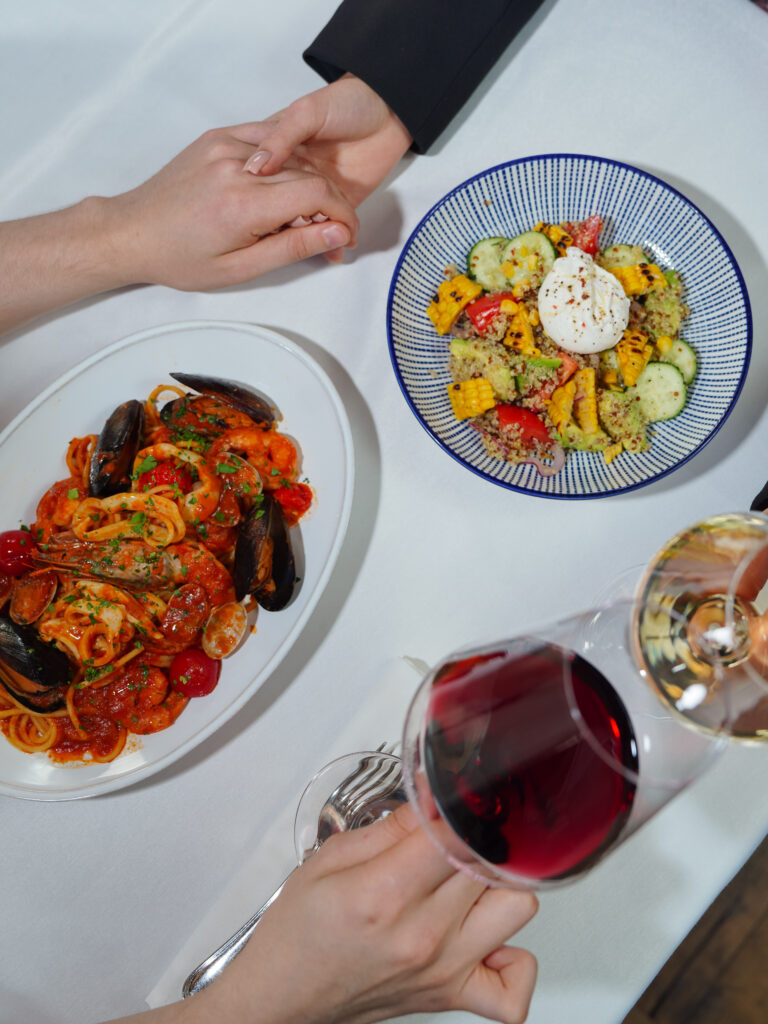
In recent years, there has been a growing demand for vegetarian and vegan food options in Beijing. This increase in popularity can be attributed to a combination of health and environmental concerns, as well as the rise of ethical and compassionate eating practices. As a result, vegetarian and vegan restaurants and menus have become more prevalent throughout the city, offering a diverse range of plant-based dishes to cater to different dietary needs.
Notable Vegetarian and Vegan Restaurants in Beijing
Beijing is home to numerous vegetarian and vegan restaurants that showcase the creativity and versatility of plant-based cuisine. One notable establishment is Pure Lotus, which offers a gourmet dining experience with an extensive menu featuring vegetarian and vegan dishes inspired by Chinese and international flavors. Another recommended option is King’s Joy, a Michelin-starred restaurant known for its artful presentation and innovative plant-based creations. These restaurants demonstrate that vegetarian and vegan dining can be both delicious and sophisticated.
Specialty Vegetarian and Vegan Dishes in Beijing
Vegetarian and vegan cuisine in Beijing encompasses a wide range of dishes, from traditional Chinese classics with plant-based substitutes to creative fusion creations. Some specialty dishes include Vegetarian Peking Duck, made with tofu skin and flavored with traditional spices, and Braised “Lion’s Head” Meatballs, crafted with plant-based ingredients such as mushrooms and soy protein. These specialty dishes showcase the potential for vegetarian and vegan cuisine to offer flavors and textures that rival their meat-based counterparts.
Fine Dining: Indulging in Culinary Masterpieces
Beijing’s Michelin-Starred Restaurants
For those seeking a truly indulgent dining experience in Beijing, the city is home to several Michelin-starred restaurants. These establishments have been recognized for their exceptional culinary skills, creativity, and commitment to using high-quality ingredients. Some notable Michelin-starred restaurants in Beijing include Jing Yaa Tang, offering modern interpretations of traditional Chinese cuisine, and TRB Hutong, known for its European-inspired dishes with a Chinese twist. Dining at a Michelin-starred restaurant in Beijing promises a memorable gastronomic journey.
Contemporary Chinese Cuisine in Beijing
Beijing’s fine dining scene also features a range of contemporary Chinese restaurants that push the boundaries of traditional cuisine. These establishments combine innovation, artistic presentation, and exceptional flavors to create culinary masterpieces. From fusion creations that merge Eastern and Western influences to reinterpretations of classic Chinese dishes using avant-garde techniques, contemporary Chinese restaurants in Beijing offer a captivating dining experience for those seeking a taste of culinary excellence.
Celebrity Chefs and Innovative Dining Experiences
Beijing has become a hub for celebrity chefs and innovative dining experiences, attracting top culinary talents from around the world. These chefs bring their unique culinary visions to Beijing, creating dining experiences that blend culinary artistry with cultural immersion. From interactive dining experiences that engage all the senses to private chef’s tables showcasing personalized menus, these establishments redefine fine dining in Beijing and provide an opportunity to savor culinary masterpieces crafted by renowned chefs.
Exquisite Ingredients and Presentation
One aspect that sets fine dining in Beijing apart is the use of exquisite ingredients and meticulous presentation. Fine dining establishments in Beijing source premium ingredients from around the world and combine them with high-quality local produce to create dishes that are both visually stunning and exquisitely flavorful. The presentation of dishes is an art form in itself, with meticulous attention to detail and a focus on harmonizing colors, textures, and flavors. Dining at a fine dining restaurant in Beijing is a feast for the senses, bringing together the best of culinary craftsmanship and visual aesthetics.
Food Tours and Culinary Experiences in Beijing
Guided Food Tours: Exploring Beijing’s Food Culture
One of the best ways to fully immerse yourself in Beijing’s food culture is by joining a guided food tour. These tours offer a comprehensive and curated experience, taking you to various food hotspots and introducing you to local flavors and culinary traditions. Knowledgeable guides provide insights into the history and significance of different dishes, allowing you to gain a deeper appreciation for Beijing’s food culture. Whether it’s a walking tour through traditional markets or a culinary adventure in hidden alleyways, a guided food tour provides a unique and enriching experience for food enthusiasts.
Cooking Classes and Workshops in Beijing
For those who wish to learn the art of Chinese cuisine firsthand, Beijing offers a variety of cooking classes and workshops. Experienced chefs guide participants through the techniques and secrets behind traditional Chinese recipes, allowing them to learn and prepare authentic dishes. From dumpling making to noodle pulling, these immersive experiences provide a hands-on opportunity to not only taste the flavors of Beijing but also learn the culinary skills to recreate them at home.
Visiting Local Markets and Food Suppliers
To truly understand the foundation of Beijing’s food culture, a visit to the local markets and food suppliers is essential. Beijing’s markets offer a vibrant and bustling atmosphere, with vendors selling fresh produce, spices, and specialty ingredients. Exploring these markets allows you to witness the diversity of the local food scene, interact with vendors, and even sample some seasonal delights. By visiting local food suppliers, such as tofu makers or tea merchants, you can gain insights into the production processes and traditions behind some of Beijing’s iconic food items.
Unique Dining Experiences in Beijing
Beijing offers a range of unique dining experiences that go beyond the traditional restaurant setting. From dining in ancient courtyard homes known as “hutongs” to enjoying a meal while cruising the picturesque Houhai Lake, these experiences transport you to a different era and provide a glimpse into Beijing’s rich cultural heritage. Whether it’s dining in a converted temple or enjoying a meal in a contemporary art gallery, these unique dining experiences offer a fusion of gastronomy, culture, and ambiance that will leave a lasting impression.
Exploring Beijing’s Night Markets: A Gastronomic Adventure
Vibrant Atmosphere of Beijing’s Night Markets
Beijing’s night markets are a vibrant and energetic playground of flavors and aromas. As the sun sets, these markets come to life, attracting locals and tourists alike with their bustling atmosphere and tantalizing displays of street food. Brightly lit stalls, sizzling grills, and the sound of sizzling woks create an electric ambiance that adds to the allure of the night markets. Whether it’s the lively Wangfujing Night Market or the traditional Donghuamen Night Market, Beijing’s night markets offer a gastronomic adventure like no other.
Popular Night Market Streets in Beijing
Beijing is home to several popular night market streets that are renowned for their diverse street food offerings. Wangfujing Street, mentioned earlier, transforms into a bustling night market in the evening, offering an array of street food stalls selling everything from skewered insects to traditional snacks. Guijie Street, also known as Ghost Street, is another popular destination famous for its late-night delicacies, such as spicy crayfish and hot pot. These night market streets provide an immersive experience into Beijing’s street food scene and offer a unique opportunity to sample a wide range of flavors.
Street Food and Snacks at Night Markets
Beijing’s night markets are a haven for street food enthusiasts, offering a plethora of snacks and treats to satisfy every craving. From lamb skewers and crispy fried chicken to fried mantou buns and sugar-coated fruit skewers, the choices are endless. Must-try snacks include tanghulu (candied fruit skewers), lamb kebabs, jianbing (savory pancakes), and fried squid. Night markets are a culinary playground where you can indulge in a variety of flavors and immerse yourself in the vibrant atmosphere of Beijing’s street food culture.
Tips for Navigating and Enjoying Night Markets
Navigating through Beijing’s night markets can be overwhelming due to the sheer variety of food options and the bustling crowds. Here are a few tips to enhance your night market experience:
- Embrace the chaos: Embrace the energy and excitement of the night markets, and immerse yourself in the lively atmosphere.
- Wear comfortable shoes: Night markets can be crowded, so wearing comfortable shoes will make it easier to navigate through the stalls.
- Try new things: Be adventurous and try dishes that you may not have encountered before. Night markets offer a great opportunity to sample unique and exotic flavors.
- Bargain wisely: In some night markets, bargaining is a common practice. Be mindful of the prices and negotiate with the vendors, but remember to be respectful.
- Follow the locals: Observe the locals and see which stalls they frequent. Locals often know the best vendors and can guide you to the most delicious food.
By following these tips, you can navigate and enjoy the vibrant night markets of Beijing to the fullest.